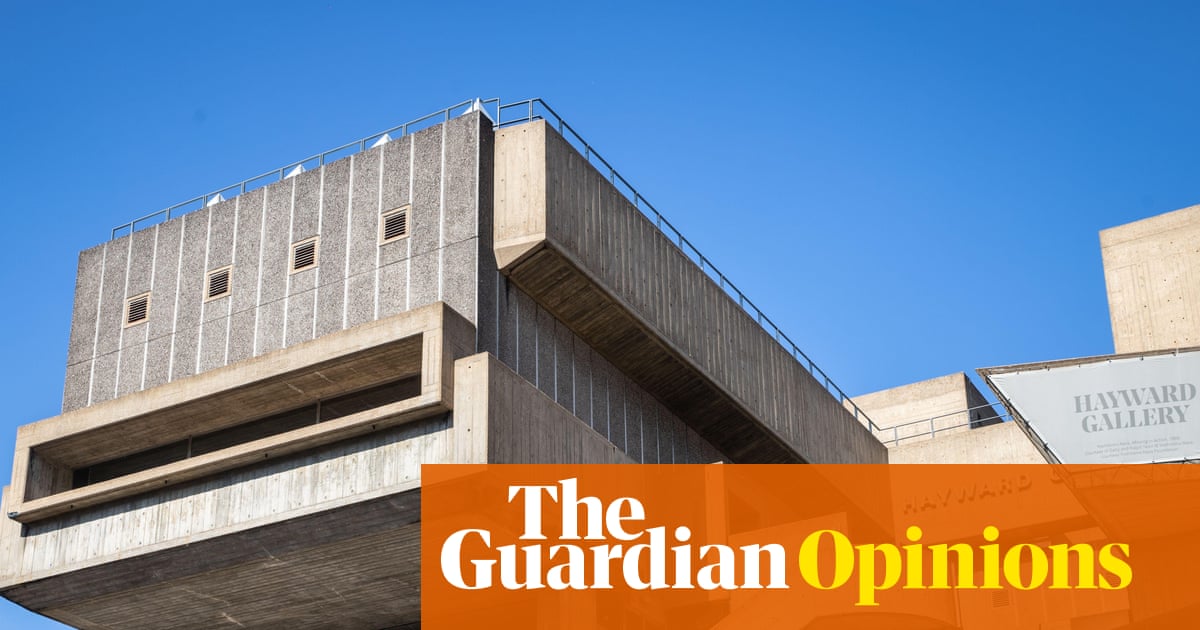
London’s Southbank Centre, a landmark of Brutalist architecture and a cornerstone of British cultural life, has been granted Grade II listed building status, a move celebrated by preservationists and architects alike. The decision, announced earlier this month, recognizes the historical and architectural significance of the complex, encompassing the Queen Elizabeth Hall, Hayward Gallery, and Purcell Room. This acknowledgement arrives seventy-five years after the 1951 Festival of Britain dramatically reshaped the South Bank area, a period intended to signal optimism and recovery in the wake of World War II. The listing underscores a growing appreciation for a style once considered divisive, and ensures the preservation of a vital piece of postwar British history.
The Southbank Centre’s story is inextricably linked to the ambitious vision of the 1951 Festival of Britain. Conceived as a national exhibition and fair, the festival aimed to showcase Britain’s achievements in science, technology, industrial design, architecture, and the arts, fostering a sense of national pride and recovery. While the Royal Festival Hall remains the sole surviving structure from that initial festival, the subsequent development of the Southbank Centre built upon that foundation, evolving into a thriving cultural hub. Today, the area encompassing the Southbank Centre, the BFI Southbank, the Royal National Theatre, Tate Modern, and Shakespeare’s Globe represents a flourishing cultural district, a direct descendant of the Festival’s original intent to create a vibrant public space.
A History of Debate and Shifting Perceptions
The path to listed status for the Southbank Centre has been far from straightforward. Completed in 1968, the complex faced decades of criticism, particularly regarding its Brutalist aesthetic. Brutalism, characterized by its utilize of raw concrete and monumental forms, often sparked controversy, and the Southbank Centre was no exception. In 1967, the Daily Mail famously questioned whether it was “Britain’s ugliest building,” reflecting a widespread initial resistance to its stark design. Previous attempts to secure listed status were rejected, highlighting the long-standing debate surrounding its architectural merit.
However, attitudes towards Brutalist architecture have undergone a significant shift in recent years. Buildings once dismissed as cold and imposing are now increasingly recognized for their bold design and historical importance. This evolving appreciation is reflected in the growing popularity of Brutalist architecture in popular culture, with structures like Ernö Goldfinger’s Trellick Tower in London and Park Hill in Sheffield appearing on everything from tea towels to mugs. The recent success of the film The Brutalist (2024), starring Adrien Brody, which focuses on a postwar architect, further demonstrates this renewed interest. Catherine O’Flynn’s novel, inspired by the regret surrounding the demolition of John Madin’s Birmingham Central Library, also speaks to a growing awareness of the value of preserving these often-overlooked architectural landmarks.
The Significance of Grade II Listing
The granting of Grade II listed building status provides significant protection for the Southbank Centre, making substantial alterations to the site considerably more difficult. This decision effectively draws a line under previous redevelopment schemes that aimed to increase commercial space, often at the expense of the building’s original architectural integrity. These schemes, intended to improve the Southbank Centre’s finances and reduce its reliance on public funding, had consistently faced opposition, particularly regarding plans to relocate the riverside skatepark, a popular community space. The listing ensures that future development will prioritize the preservation of the building’s unique character and historical significance.
The Southbank Centre’s architectural importance lies in its representation of a specific moment in British history and its bold embrace of modern design principles. Unlike Sir Denys Lasdun’s Royal National Theatre, which was listed more than 30 years ago, the Southbank Centre – conceived by a London County Council team led by Norman Engleback – initially divided public opinion. Its complex network of walkways and undercroft, while functional, contributed to its perceived lack of aesthetic appeal for some. However, the listing acknowledges that Brutalism, despite its uncompromising nature, represents a significant chapter in British architectural history and deserves to be preserved for future generations.
Financial Challenges and the Future of the Southbank Centre
While the listed status secures the building’s physical preservation, it also highlights the ongoing financial challenges facing the Southbank Centre. The organization has requested £30 million from the government to support its operations and ensure its continued viability as a leading cultural institution. This request comes amidst a broader debate about public funding for the arts and the need to balance preservation with financial sustainability. The government’s response to this request will be crucial in determining the future of the Southbank Centre and its ability to continue serving as a vibrant hub for artistic expression.
The decision to protect the Southbank Centre’s architecture necessitates a renewed focus on supporting the artists and curators who bring the space to life. The building’s origins lie in a postwar belief that the state had a responsibility to invest in cultural infrastructure for the benefit of the public. Maintaining this commitment requires not only preserving the physical structure but also ensuring that it remains a dynamic and accessible space for creativity and innovation. The Southbank Centre’s continued success depends on a collaborative effort between government, arts organizations, and the community to ensure its long-term sustainability.
Key Takeaways
- Historical Significance: The Southbank Centre is a direct legacy of the 1951 Festival of Britain, a pivotal moment in postwar British history.
- Architectural Importance: The complex represents a significant example of Brutalist architecture, a style that is increasingly recognized for its historical and artistic value.
- Preservation Secured: The Grade II listing provides crucial protection against inappropriate development and ensures the building’s long-term preservation.
- Financial Sustainability: The Southbank Centre faces ongoing financial challenges and requires continued public support to remain a vibrant cultural hub.
The Southbank Centre’s story is a testament to the enduring power of architecture to shape our cultural landscape and reflect our evolving values. From its controversial beginnings to its current status as a cherished landmark, the complex has consistently sparked debate and inspired creativity. As the building enters a new chapter in its history, protected by its listed status, it is essential that policymakers and stakeholders prioritize its financial stability and ensure that it continues to serve as a beacon of artistic innovation for generations to reach. The next steps will likely involve ongoing discussions between the Southbank Centre and the government regarding the requested £30 million in funding, with a decision expected in the coming months.
What are your thoughts on the Southbank Centre’s newly granted listed status? Share your opinions and experiences in the comments below.