Washington D.C. – The Supreme Court’s recent decision striking down the legal basis for tariffs imposed by former President Donald Trump has reverberated through Washington, prompting reactions from lawmakers on both sides of the aisle. The 6-3 ruling, delivered on February 20, 2026, determined that the International Emergency Economic Powers Act (IEEPA) could not be used to justify the broad imposition of tariffs, a practice Trump frequently employed during his presidency. Even as the ruling represents a significant check on presidential power regarding trade, the former president has already signaled his intent to pursue tariffs through alternative legal avenues, setting the stage for continued debate and potential legal challenges. The core issue revolves around the balance of power between the executive and legislative branches in matters of trade policy, and the implications for international commerce are substantial.
The ruling stems from challenges to tariffs Trump levied under IEEPA, a law originally intended to address national security emergencies. Critics argued that the administration stretched the definition of “emergency” to justify tariffs aimed at addressing economic concerns, effectively circumventing Congress’s constitutional authority over trade. The Supreme Court agreed, finding that IEEPA does not authorize the president to impose tariffs for economic reasons. This decision impacts existing tariffs and future trade actions, forcing the administration to rely on other, more regulated legal mechanisms, such as Section 122 of the Trade Expansion Act of 1962, which requires a more thorough justification and congressional oversight. The legal battle over tariffs underscores the ongoing tension between a president’s desire for swift action and the constitutional safeguards designed to ensure a deliberate and transparent trade policy.
Supreme Court Ruling and Congressional Response
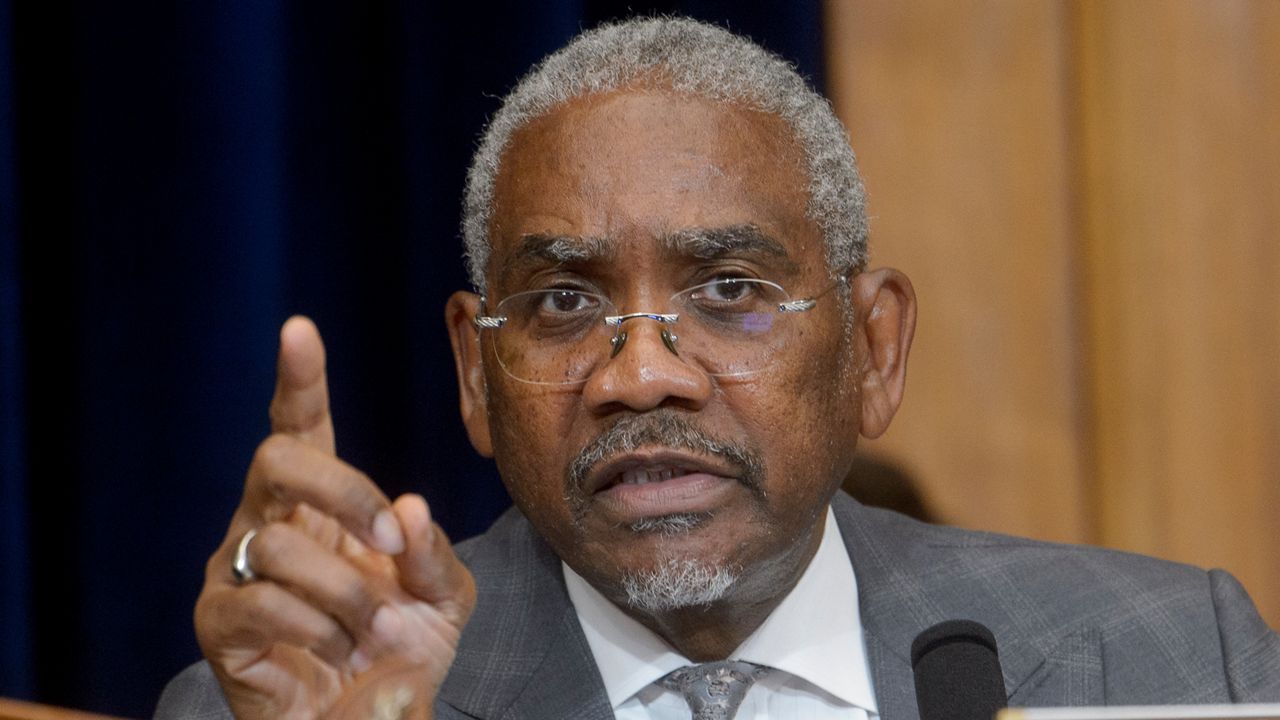
The Supreme Court’s decision has been met with praise from Democrats who long argued against Trump’s use of IEEPA for tariffs. Representative Gregory Meeks (D-NY), the Ranking Member of the House Foreign Affairs Committee, expressed relief at the outcome, stating that the court affirmed what Democrats had maintained from the outset: “A president cannot ignore Congress and unilaterally slap these tariffs on the American people.” NY1 reported that Meeks successfully passed a resolution in the House last week, deeming Trump’s tariffs on Canada illegal under the contested law. Senate Minority Leader Chuck Schumer echoed this sentiment, emphasizing the importance of congressional oversight in trade policy. The ruling is seen as a victory for the principle of checks and balances, reinforcing the role of Congress in shaping trade agreements and protecting American consumers from potentially harmful tariffs.
Although, the ruling did not deter Trump from pursuing his protectionist trade agenda. Within hours of the Supreme Court’s decision, he announced plans to impose a new 10% global tariff under Section 122, a move that signals his continued commitment to tariffs as a tool for economic leverage. As reported by NY1, this alternative legal mechanism, while still allowing for tariffs, subjects the administration to greater scrutiny and potentially limits the scope and duration of such measures. Wendy Cutler, a senior official at the Asia Society Policy Institute and former Deputy US Trade Representative, highlighted the risks of using IEEPA in the first place, noting that it exposed the administration to legal challenges. The shift to Section 122, while allowing Trump to continue imposing tariffs, will likely lead to further legal battles and congressional oversight.
Political Reactions and Concerns
The Supreme Court’s decision has as well sparked debate about the broader implications for US trade policy. Republican Representative Mike Lawler of New York’s Hudson Valley expressed support for the ruling, stating that it “reaffirms our system of checks and balances is alive and well.” According to NY1, Lawler also voiced his support for Trump’s pursuit of “fair and reciprocal trade agreements” to protect American workers and taxpayers. However, concerns remain about the potential for retaliatory tariffs from other countries and the disruption to global supply chains. The decision has prompted America’s trading partners to reassess their recent deals with Washington, as they navigate the evolving landscape of US trade policy.
The political fallout from the ruling extends beyond trade policy. Trump reportedly lashed out at House Minority Leader Hakeem Jeffries following the decision, calling him a “low-IQ individual” and questioning his understanding of tariffs. NY1 reported that Jeffries had previously issued a statement urging Trump to refrain from further unilateral action on tariffs. This exchange underscores the deep partisan divisions surrounding trade policy and the personal animosity that continues to characterize the political landscape. The rhetoric highlights the potential for further escalation and the challenges of finding common ground on trade issues.
Looking Ahead: Legislative and Legal Battles
Representative Meeks has indicated that he will closely examine Trump’s new tariffs imposed under Section 122, as well as any remaining tariffs still in effect. He is considering introducing additional legislation to oppose these measures, signaling a continued commitment to challenging the administration’s trade policies. The legal battles are far from over, as challenges to the new tariffs are expected from affected industries and trading partners. The Supreme Court’s ruling has clarified the limits of presidential power under IEEPA, but the broader debate over trade policy and the role of Congress remains unresolved. The coming months will likely see a flurry of legislative activity and legal challenges as stakeholders navigate the new legal landscape.
New York Attorney General Letitia James and Congressman Gregory Meeks have both criticized the economic damage caused by the illicit tariffs, emphasizing the need to address the impact on consumers and businesses. Devdiscourse News reported on February 20, 2026, that despite the Supreme Court’s decision, partners may not withdraw from agreements due to potential consequences. This highlights the complex geopolitical considerations surrounding trade and the need for careful diplomacy to avoid further disruptions.
Key Takeaways
- The Supreme Court ruled that the International Emergency Economic Powers Act (IEEPA) cannot be used as a legal basis for imposing tariffs.
- Former President Trump has announced plans to impose a 10% global tariff under Section 122 of the Trade Expansion Act of 1962.
- Lawmakers on both sides of the aisle have reacted to the ruling, with Democrats praising the decision as a victory for congressional oversight and Republicans expressing support for fair trade agreements.
The Biden administration will now face pressure to articulate a clear and comprehensive trade policy that addresses the concerns of both domestic industries and international partners. The ruling provides an opportunity to reset the relationship with trading partners and to pursue a more collaborative approach to trade negotiations. However, the political challenges remain significant, and the potential for further legal battles and trade disputes looms large. The next step will be to monitor the implementation of the new tariffs under Section 122 and to assess their impact on the US economy and global trade.
The situation remains fluid, and further developments are expected in the coming weeks and months. Readers are encouraged to stay informed about this evolving story and to engage in constructive dialogue about the future of US trade policy. Share your thoughts in the comments below.
Worth a look