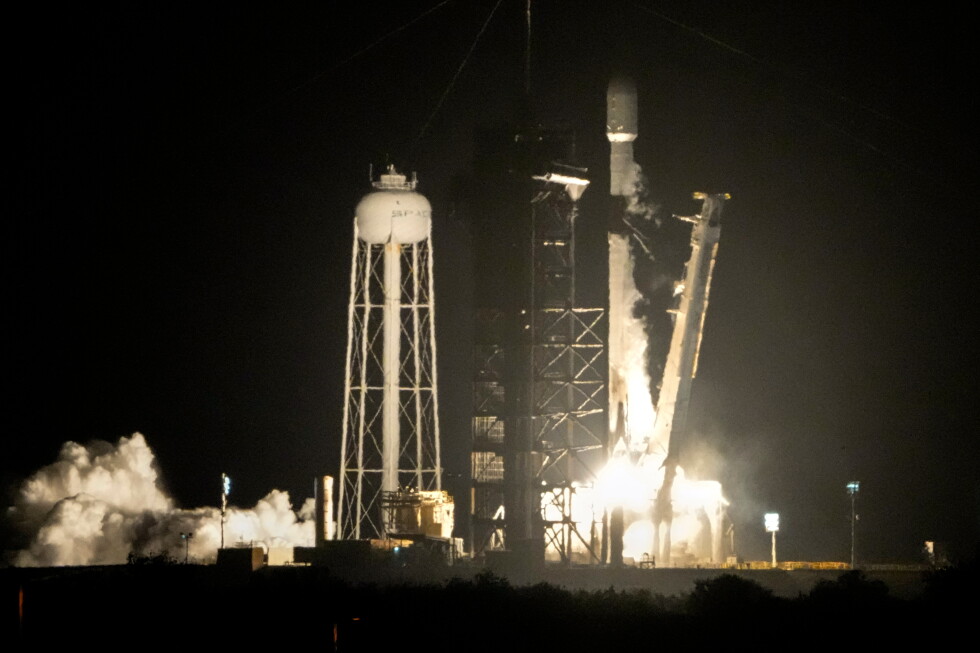
A leftover SpaceX Falcon 9 upper-stage rocket drifted off course for 18 months before slamming into the moon at 5,400 mph on August 5, 2026. The collision near Einstein Crater carved a fresh impact crater, prompting astronomers and space agencies to study the debris plume and improve tracking of lunar traffic.
Space tracking experts confirmed that a stray rocket component slammed into the moon as predicted early Wednesday. The spent upper stage of a Falcon 9 rocket had been circling Earth since its launch on January 15, 2025, when it deployed a pair of private lunar landers from Florida. Orbital mechanics, shaped by solar activity and gravitational forces, eventually nudged the abandoned cylinder onto a direct collision course with the lunar surface.
The impact occurred around 2:35 a.m. ET, driving the roughly 4-ton metal shell into a dusty, barren expanse near the Einstein and Bell craters on the moon’s sunlit western limb. Traveling at a punishing 5,400 mph (8,700 kph), the hollow structure lacked the dense mass of a natural asteroid. Instead of punching deep into the bedrock, simulations indicate the shell crumpled upon impact, gouging out a crater roughly 60 feet wide and 12 feet deep while hurling a massive plume of dust and rock outward into space.
Telescopic Observations and the Search for Debris Plumes
While ground-based stargazers faced steep odds trying to spot the collision from Earth, professional observatories detected unmistakable signs of the violent event. Boston University’s Carl Schmidt stated he was 100% certain
that his team’s observations captured the aftermath of the crash. The European Southern Observatory’s Very Large Telescope identified a stream of sodium and lithium stretching for tens of kilometers into space, lingering for at least five to ten minutes after impact.
Astronomers had gathered online in the weeks leading up to the event, organizing through a preprint paper to encourage real-time documentation. Independent astronomers, using publicly available data, initially calculated the rogue stage’s trajectory before NASA’s Center for Near Earth Object Studies confirmed a 100% probability of a lunar strike. Retired astrophysicist Jonathan McDowell noted that physical certainty dictated the outcome, telling reporters, As a physicist, I know that what goes up must come down.
“There’s no doubt in my mind that the rocket is now in teeny, little pieces scattered over the moon near Einstein Crater.”
Jonathan McDowell, retired astrophysicist
scientificamerican.com highlighted that observing the initial flash remained difficult because the crash took place on the sunlit hemisphere of the moon. However, the proximity to the western limb offered a distinct advantage, allowing ejected material to appear as a visible plume against the dark backdrop of space.
Broader Implications for Lunar Safety and Traffic Management
The accidental collision marks only the second known instance of a discarded rocket booster striking the moon, following a similar unplanned impact by a Chinese rocket stage in 2022. Representatives for SpaceX noted that the crash was entirely unintentional, emphasizing that the company actively collaborates with NASA to mitigate future orbital hazards.
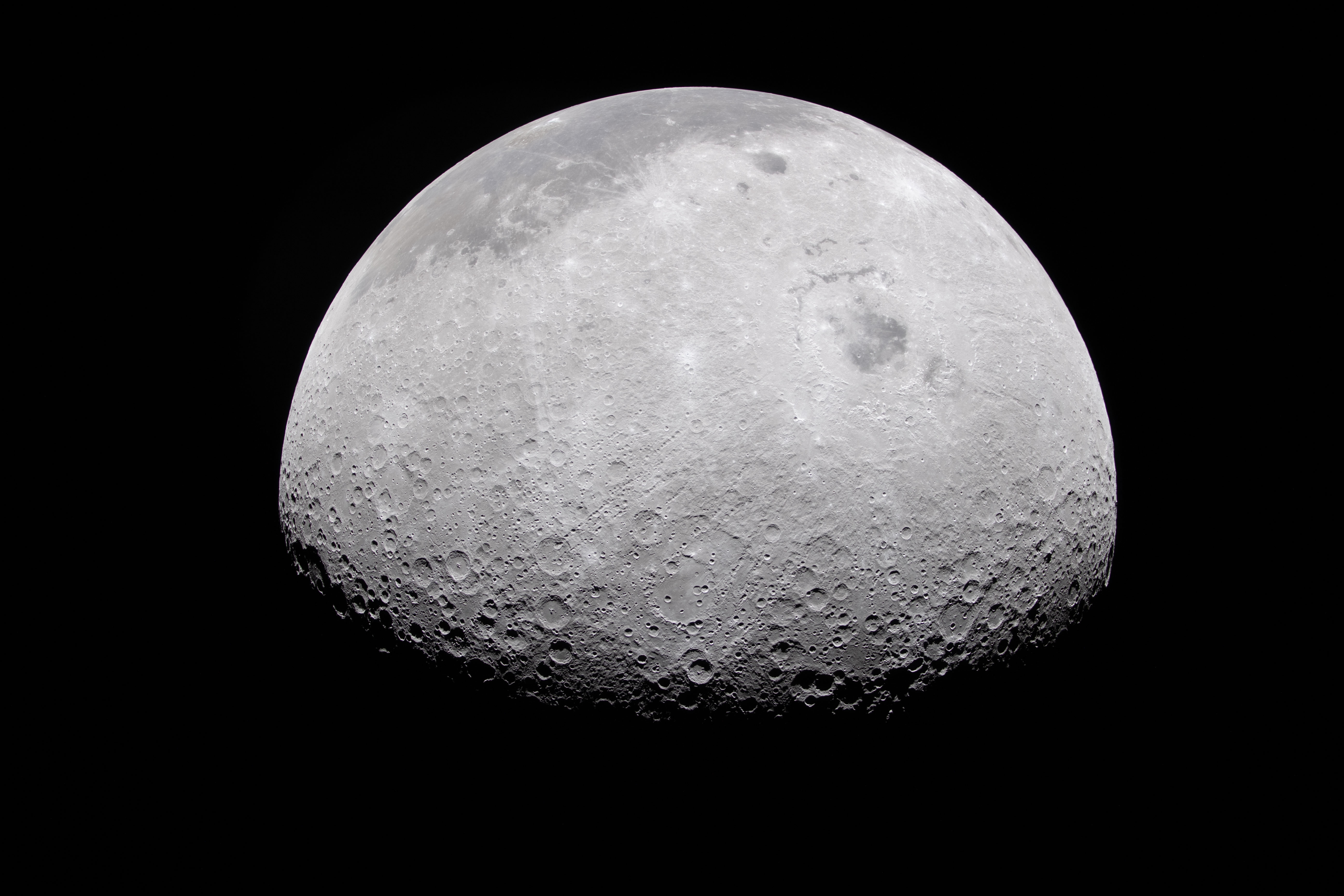
NASA officials reiterated that the impact poses zero threat to Earth. Nevertheless, as international space agencies and commercial firms gear up for robotic missions and crewed Artemis landings, tracking stray space hardware is taking on renewed urgency.
Next Steps for Lunar Orbiters and Space Agencies
Definitive visual confirmation of the new crater will require dedicated orbital assets. NASA’s Lunar Reconnaissance Orbiter and South Korea’s Danuri lunar orbiter—equipped with the ShadowCam instrument—are scheduled to survey the Einstein Crater region. Researchers expect it will take up to a week for the spacecraft to pass over the crash site, capture comparative before-and-after imagery, and relay the high-resolution data back to Earth.

- Dow Rises 400 Points as Corporate Earnings Offset Tech Sector Pullback
- WhatsApp Group Update: New Features to Change How You Communicate
- U.S. stock futures rise after record Wall St close; SpaceX, AMD dip post earnings (archyde.com)
- SpaceX Rocket Stage to Hit Moon at 5,400 MPH in Unplanned Collision (time.news)