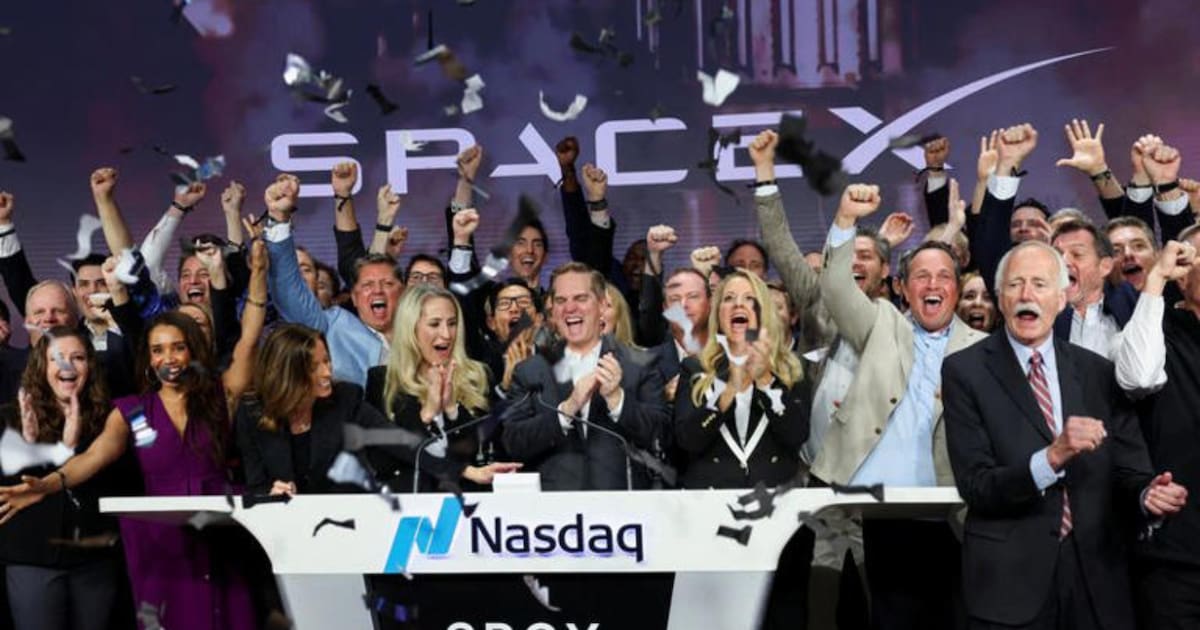
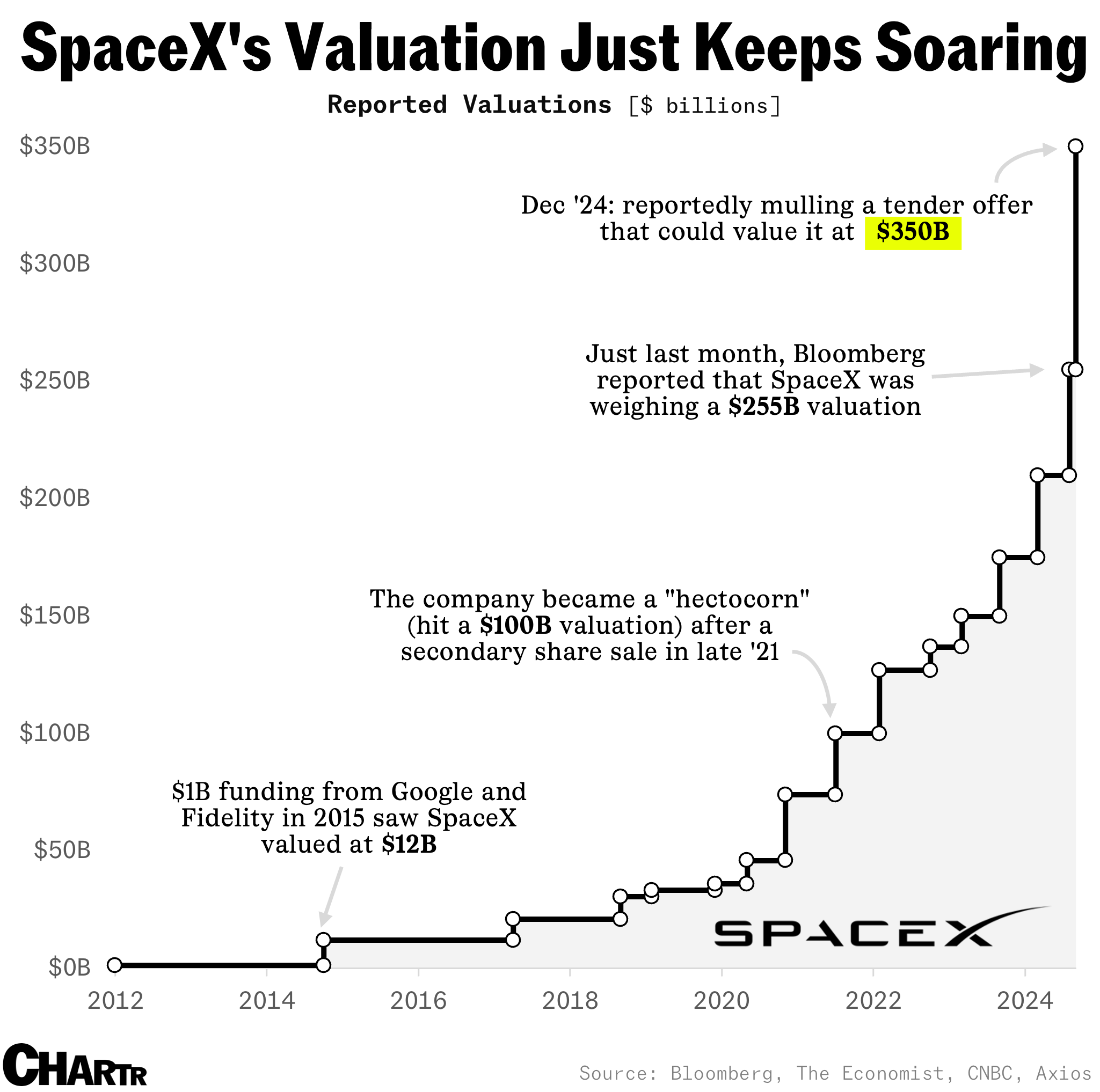
SpaceX has reached a valuation that positions it as one of the most significant private entities in the global aerospace sector, a milestone that has substantially altered the financial landscape for its workforce. Recent secondary market transactions have allowed employees to liquidate equity, effectively creating thousands of millionaires within the company’s ranks. According to data tracked by Bloomberg, the private aerospace firm reached a valuation of approximately $250 billion in late 2024, reflecting surging investor demand for shares in Elon Musk’s space venture.
This liquidity event represents one of the largest transfers of wealth from a private technology firm directly to its employees. By allowing staff to sell vested stock options through periodic tender offers, SpaceX has bypassed the traditional requirement of an Initial Public Offering (IPO) to provide capital gains to its team. As reported by Reuters, these tender offers have enabled long-term employees to cash out portions of their holdings, a move that distinguishes the company’s compensation strategy from many other Silicon Valley firms that wait for a public market debut to unlock similar value.
Market Dynamics and Valuation Growth
The valuation of SpaceX has climbed sharply, outpacing many established industrial giants. Current market assessments place the company’s value at $250 billion, a figure that France 24 notes has seen the company surpass the market capitalization of major global corporations, including Amazon in specific comparative metrics of private aerospace dominance. This growth is largely driven by the operational success of the Falcon 9 launch cadence and the ongoing development of the Starship vehicle, which remains central to NASA’s Artemis program and the company’s long-term Mars colonization objectives.

The ability to maintain this level of growth while remaining private is atypical in the current economic climate. Historically, companies of this scale would face intense pressure from venture capital backers to seek an IPO. However, the structure of SpaceX’s capital table, which includes significant investment from entities like Founders Fund and Baillie Gifford, has allowed for sustained private operation. According to filings with the U.S. Securities and Exchange Commission, the company continues to utilize private capital markets to fund its capital-intensive R&D, effectively insulating its employees from the immediate volatility often associated with public equity markets.
The Mechanics of Employee Wealth Transfer
The conversion of thousands of employees into high-net-worth individuals is the result of a deliberate, recurring strategy rather than a single event. SpaceX conducts tender offers—private share buybacks—that allow employees to sell their vested stock to institutional investors. This mechanism provides liquidity without the regulatory burden of a public exchange listing.

Financial analysts observe that this approach creates a unique incentive structure. By offering employees the chance to realize gains while the company remains private, SpaceX retains talent that might otherwise depart for publicly traded competitors. As noted in assessments by Yahoo Finance, this approach effectively creates a “private-to-public” hybrid model, where employees enjoy the benefits of equity appreciation typically reserved for shareholders of Fortune 500 companies.
Comparative Impact on the Tech Sector
When compared to other major technology firms, the scale of wealth creation at SpaceX is notable for its concentration within a single, highly specialized industry. While companies like Google or Meta created significant wealth through IPOs, the SpaceX model provides a blueprint for how “decacorns”—private companies valued at over $10 billion—can manage shareholder expectations without ceding control to public market analysts.
The following table illustrates the contrast between the traditional IPO model and the SpaceX tender offer strategy:
| Feature | Traditional IPO | SpaceX Tender Model |
|---|---|---|
| Market Access | Public Exchange | Private Institutional |
| Liquidity Timing | Post-IPO Lock-up | Periodic Buybacks |
| Regulatory Oversight | Full SEC Reporting | Limited/Private |
As documented by the Los Angeles Times, the broader impact of Elon Musk’s corporate empire—which includes Tesla and Neuralink—has fundamentally altered the wealth profiles of thousands of engineers and operations staff. The surge in SpaceX’s valuation has contributed to this trend, cementing the company’s status as a primary driver of private wealth creation in the aerospace and defense sectors.
What Happens Next
The company is expected to continue its current trajectory of quarterly or biannual tender offers, provided that investor demand remains high. Investors and employees alike are currently monitoring the progress of the Starship program, which is widely considered the primary catalyst for the next potential valuation increase. There has been no official announcement regarding a shift toward an IPO, and company leadership has consistently maintained that the current private structure allows for the long-term planning necessary for deep-space exploration.
For employees holding equity, the next key milestone will be the announcement of the next tender offer window. As the company continues to secure new contracts with the Department of Defense and NASA, the underlying value of these shares remains tied to the successful execution of high-profile government missions. Readers interested in the official financial disclosures of the firm can monitor filings via the SEC EDGAR database for updates on capital raises and corporate structure changes.
We invite our readers to share their perspectives on the evolution of private equity in the tech sector in the comments section below.
Related reading
- Mercedes Crisis: CEO Pushes for Longer Hours as IG Metall Union Resists Cost-Cutting Measures
- Lee Jae-myung Concludes 2nd Ministerial Work Reports
- Apple Surpasses $10 Billion in Annual Sales in India (newsdirectory3.com)
- US Labor Market Stabilizes as Jobless Claims Fall and Openings Hold Steady (archyworldys.com)