
The diplomatic landscape surrounding the U.S.-Iran relationship remains in a state of high-stakes transition as international observers monitor preparations for a potential second phase of negotiations. While recent months have seen informal exchanges and limited agreements, the path toward a comprehensive resolution regarding Iran’s nuclear program and regional security concerns remains subject to intense scrutiny from global powers and regional stakeholders, according to reports from the Reuters news agency and official statements from the U.S. Department of State.
The Current State of Diplomatic Engagements
Recent diplomatic activity has focused on de-escalation measures rather than a formal return to the 2015 Joint Comprehensive Plan of Action (JCPOA). According to the White House, the U.S. government has prioritized the release of detained American citizens, a move often described by analysts as a confidence-building measure. These developments occur within a complex framework where Swiss mediation often serves as a conduit for communication between Washington and Tehran, given the absence of formal diplomatic ties between the two nations since 1980, as noted by the Swiss Federal Department of Foreign Affairs.
The concept of a “second phase” in these negotiations implies a shift from humanitarian arrangements toward more substantive discussions on nuclear limitations and regional policy. However, officials in both capitals have offered varying assessments of the feasibility of a broader deal. The International Atomic Energy Agency (IAEA) continues to provide technical verification of Iranian nuclear sites, serving as the primary neutral monitor for any progress made on the ground regarding uranium enrichment levels and transparency protocols.
Regional Perspectives and Sovereign Concerns
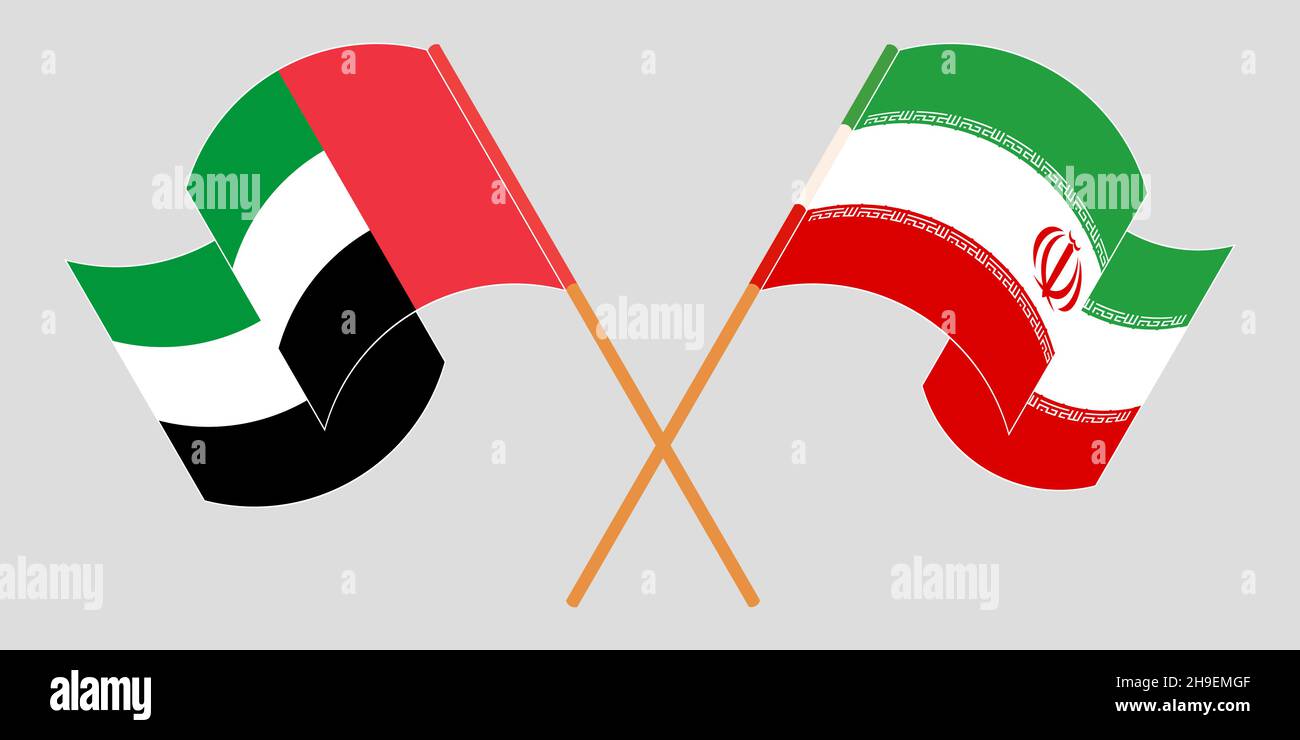
Regional actors, including the United Arab Emirates, have consistently emphasized the necessity of upholding state sovereignty and regional stability in any bilateral agreement between the United States and Iran. As reported by Reuters, the UAE has maintained a policy of active engagement to ensure that diplomatic shifts do not compromise the security architecture of the Gulf. This perspective highlights the reality that any U.S.-Iran agreement is viewed through the lens of regional security, where neighboring countries seek to minimize the risk of escalation.
The balance of power in the Middle East remains a central point of contention. While Washington maintains its commitment to security partnerships with Gulf Cooperation Council (GCC) members, Tehran continues to assert its influence through its regional network. The interplay between these competing interests suggests that any “second phase” of negotiations will likely require extensive consultation with regional allies to ensure long-term viability, a process documented in various Council on Foreign Relations analyses regarding the complexities of Middle Eastern diplomacy.
Challenges to Further Progress
Structural hurdles continue to complicate the prospects for a durable agreement. Domestic political pressures in the United States, particularly regarding the approach to Iranian foreign policy, create a narrow window for executive-led diplomacy. Simultaneously, Iran faces its own internal debates regarding the economic benefits of sanctions relief versus the strategic value of its nuclear program. According to the Atlantic Council’s IranSource, the lack of a formal, binding treaty framework makes any informal arrangement susceptible to sudden political shifts or external shocks.
The “60-day” timelines often mentioned in media reports typically refer to administrative windows for prisoner transfers or temporary compliance measures, rather than a fixed deadline for a grand bargain. These time-bound actions serve to test the reliability of the other party without requiring a permanent change in policy. Observers often point to the lack of institutional trust as the most significant barrier to moving beyond these tactical, short-term agreements into a more permanent strategic understanding.
What Happens Next
The next phase of the U.S.-Iran diplomatic effort remains contingent on the sustained implementation of existing informal arrangements. International observers look to the next quarterly board meeting of the IAEA for updates on Iranian nuclear compliance and access for inspectors. Any movement toward a “second phase” would likely be signaled by high-level diplomatic visits to neutral capitals or formal announcements regarding the easing of specific economic restrictions.
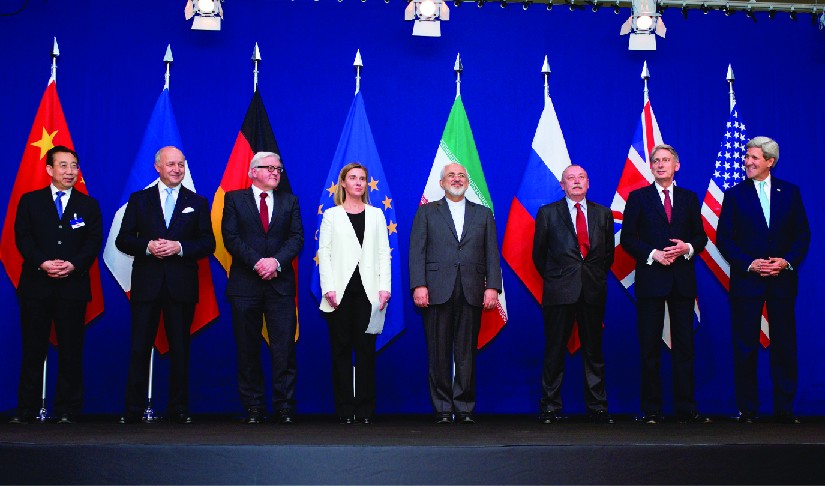
For those tracking these developments, official updates are available through the U.S. Department of State press office and the Iranian Ministry of Foreign Affairs. The global community remains in a period of cautious observation, waiting to see if these initial steps can provide the foundation for a more stable diplomatic horizon. Readers are encouraged to monitor these official channels for verified updates on the status of ongoing talks.
Keep reading