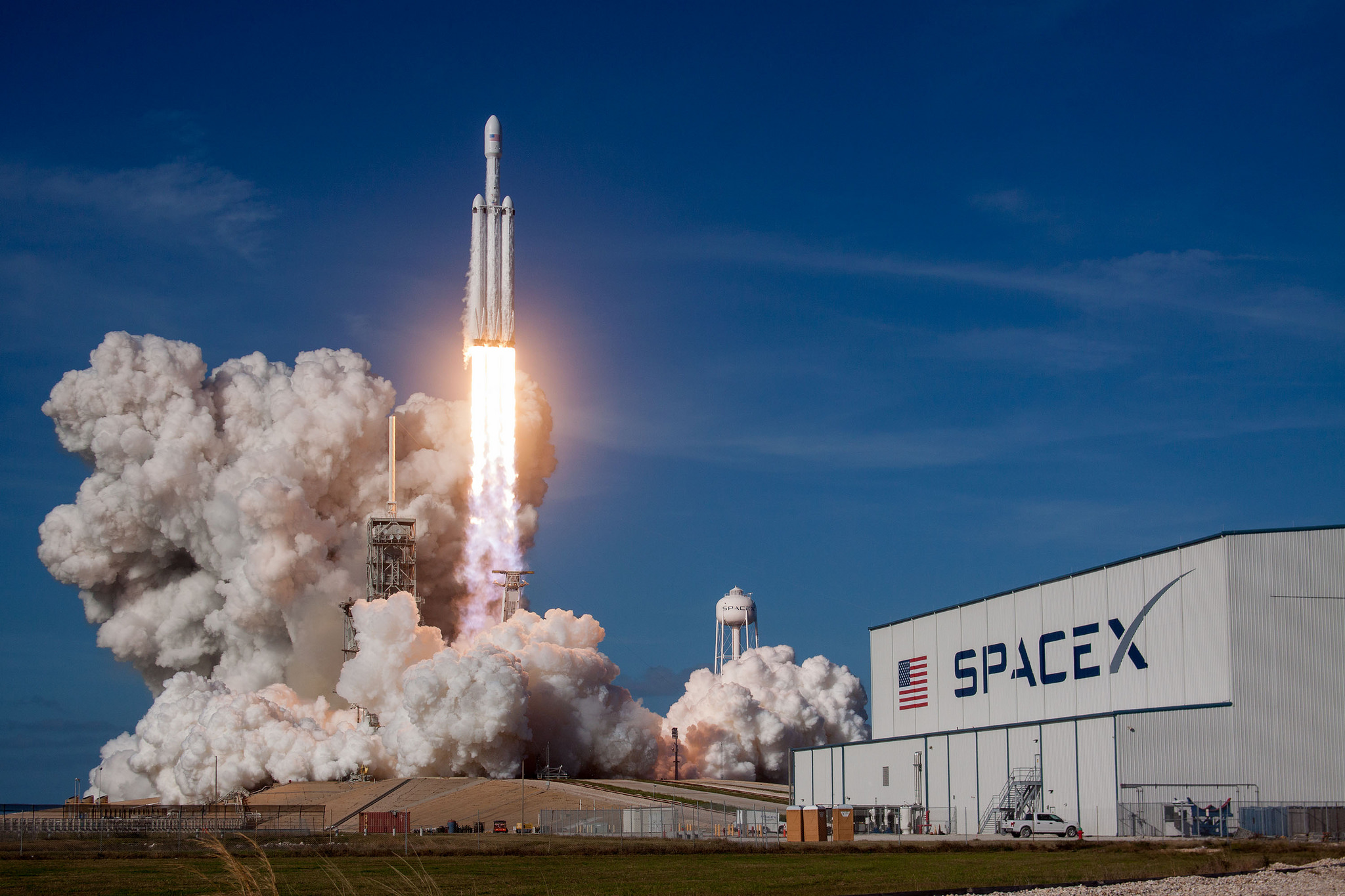
SpaceX, the aerospace manufacturer led by Elon Musk, remains a private entity, and despite widespread market speculation, it has not conducted an initial public offering (IPO) on any major stock exchange. While social media reports and market rumors periodically suggest a debut on the NASDAQ, the company continues to operate under private ownership, with its latest valuation reaching approximately $210 billion following a tender offer completed in mid-2024, according to Reuters.
Clarifying the Status of SpaceX Market Activity
The confusion surrounding a potential SpaceX public offering often stems from the company’s periodic internal tender offers, which allow employees and early investors to sell their shares to institutional buyers. These private transactions, while significant in scale, do not equate to a public listing on the NASDAQ or the New York Stock Exchange. There is no official filing with the U.S. Securities and Exchange Commission (SEC) indicating that SpaceX is preparing for a traditional IPO at this time, as noted in the company’s official communications portal.

For context, SpaceX maintains a high valuation due to its dominant position in the global launch market, specifically through its Falcon 9 rocket program and the expanding Starlink satellite internet constellation. Unlike public companies that are subject to quarterly earnings calls and strict SEC disclosure requirements, SpaceX provides limited financial transparency. Investors seeking exposure to the space sector typically look toward publicly traded competitors or broader aerospace exchange-traded funds (ETFs), as direct investment in SpaceX remains restricted to private equity participants.
The Financial Scale of the Musk Enterprise
Elon Musk’s personal net worth, frequently linked to the valuation of his private companies including SpaceX and his majority ownership of Tesla, fluctuates significantly based on market conditions. As of late 2024, Musk’s wealth is primarily derived from his equity stakes in Tesla, SpaceX, and his private artificial intelligence firm, xAI. While some projections have speculated on the potential for Musk to reach a trillion-dollar net worth, these figures remain speculative and depend heavily on the future performance of his publicly traded assets, as tracked by the Bloomberg Billionaires Index.

The fiscal strategy behind SpaceX’s massive capital raises—often totaling billions of dollars—is focused on long-term infrastructure projects rather than short-term shareholder dividends. The development of the Starship vehicle, designed for lunar and Martian exploration, requires sustained, multi-year funding that the company currently secures through private capital rounds and government contracts with organizations like NASA. According to NASA’s official mission records, SpaceX has been awarded multi-billion dollar contracts for the Artemis program, which provides a steady revenue stream independent of the public stock markets.
Why Market Speculation Persists
The desire for a public offering is driven by retail investors who view SpaceX as a primary vehicle for growth in the space economy. However, Musk has historically expressed hesitation regarding the pressures of quarterly reporting. In past interviews, he has noted that the volatility of the public markets can conflict with the long-term, high-risk nature of aerospace engineering. Instead, the company utilizes a “buy-back” model where it periodically opens windows for employees to liquidate their stock, keeping the cap table concentrated among insiders and long-term institutional partners.
Investors should remain cautious regarding claims of “soaring stock prices” for SpaceX on public exchanges. Any platform claiming to offer direct shares of SpaceX to the general public should be verified against official exchange listings. As of the current fiscal quarter, no such listing exists. Those interested in the aerospace sector should monitor the SEC EDGAR database for any formal S-1 registration filings, which would be the mandatory first step for any company planning to enter the public markets.
Looking Ahead: Institutional and Regulatory Updates
The next major milestone for SpaceX will be the continued flight testing of the Starship launch system and the expansion of Starlink’s global coverage, both of which are subject to ongoing regulatory oversight by the Federal Aviation Administration (FAA). Updates regarding launch licenses, environmental assessments, and contract awards are published regularly on the FAA’s commercial space transportation portal. There are no scheduled shareholder meetings or public market debuts on the horizon.

Readers are encouraged to verify financial news through primary regulatory filings rather than social media speculation. If you have questions about the current state of aerospace investments or wish to share your thoughts on the industry’s trajectory, please join the discussion below.