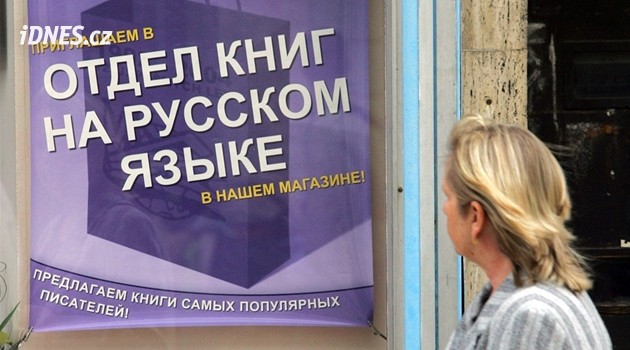
Ukrainian President Volodymyr Zelenskyy has signed into law a series of amendments regarding the status of minority languages in Ukraine, a move that formally removes the Russian language from the list of protected minority languages within the country. The legislation, which aligns with recent legal reforms aimed at European Union integration, modifies how the state interacts with linguistic groups that do not have kin states within the European Union, effectively excluding Russian due to its classification as the language of the “aggressor state.”
This legislative adjustment is part of a broader effort to standardize Ukrainian minority rights in accordance with the recommendations of the Venice Commission, an advisory body of the Council of Europe. According to the Council of Europe’s assessment of Ukraine’s national minority laws, the country has been working to balance the protection of diverse cultural identities with the promotion of the Ukrainian language as the sole official state language. The removal of Russian from this specific list of protected languages marks a significant shift in Ukraine’s domestic policy, reflecting the ongoing impact of the Russian invasion that began in February 2022.
Legal Context and the Venice Commission Recommendations
The status of minority languages in Ukraine has been a subject of intense scrutiny since the passage of the 2022 Law on National Minorities (Communities) of Ukraine. This law was a requirement for Ukraine’s progress toward European Union membership, as the bloc necessitates that candidate states demonstrate robust protections for national minorities. The European Commission has monitored these reforms closely, emphasizing the need for a non-discriminatory approach to language rights in education and public life.
The recent amendments specifically address the “Law on National Minorities,” which had previously faced criticism for being too vague regarding the rights of Russian speakers. By formalizing the exclusion of Russian, the Ukrainian government argues it is protecting its national security and cultural sovereignty. Ukrainian officials have frequently stated that the Russian language has been used as a tool for geopolitical influence and internal destabilization by the Kremlin, a claim that has gained political consensus within the Verkhovna Rada since the escalation of the conflict.
Impact on Linguistic Minorities in Ukraine
While Russian is removed from the protected list, the legislation continues to provide protections for other minority languages, particularly those spoken by communities that are members of the European Union, such as Hungarian, Romanian, and Polish. These groups retain rights to education in their native languages and the use of their languages in public administration, provided they comply with the broader framework of the Ukrainian state language law.
The Council of Europe has previously urged Ukraine to ensure that the restrictions placed on the Russian language do not inadvertently undermine the rights of other minorities or create a precedent for broad linguistic discrimination. The challenge for the Ukrainian government remains to prove that its linguistic policies are narrowly tailored to address security concerns while upholding international human rights standards. For many ethnic minority citizens in Ukraine, the practical implementation of these laws in schools and local government offices will be the true test of the government’s commitment to European values.
Geopolitical Implications of Language Policy
The decision to codify the exclusion of the Russian language carries significant weight in the context of the ongoing war. By distancing the Ukrainian legal system from the Russian language, Kyiv is signaling a permanent shift away from the post-Soviet cultural sphere. This policy is consistent with the broader “derussification” campaign that has seen the removal of Soviet-era monuments, the renaming of streets, and the promotion of Ukrainian literature and history in the national curriculum.
International observers, including the OSCE High Commissioner on National Minorities, continue to monitor the situation. The primary tension lies between the state’s right to promote its national language and the duty to protect the cultural heritage of its diverse population. As Ukraine continues to integrate into Western institutions, the legal framework surrounding minority languages will likely remain a point of discussion in future accession talks with the European Union.
What Happens Next?
The implementation of these amendments will now transition to the executive branch, where the Ministry of Education and local authorities will be responsible for applying the new rules in schools and administrative settings. The Ukrainian government is expected to issue secondary regulations to clarify how schools that previously taught in Russian will transition to the state-approved curriculum.
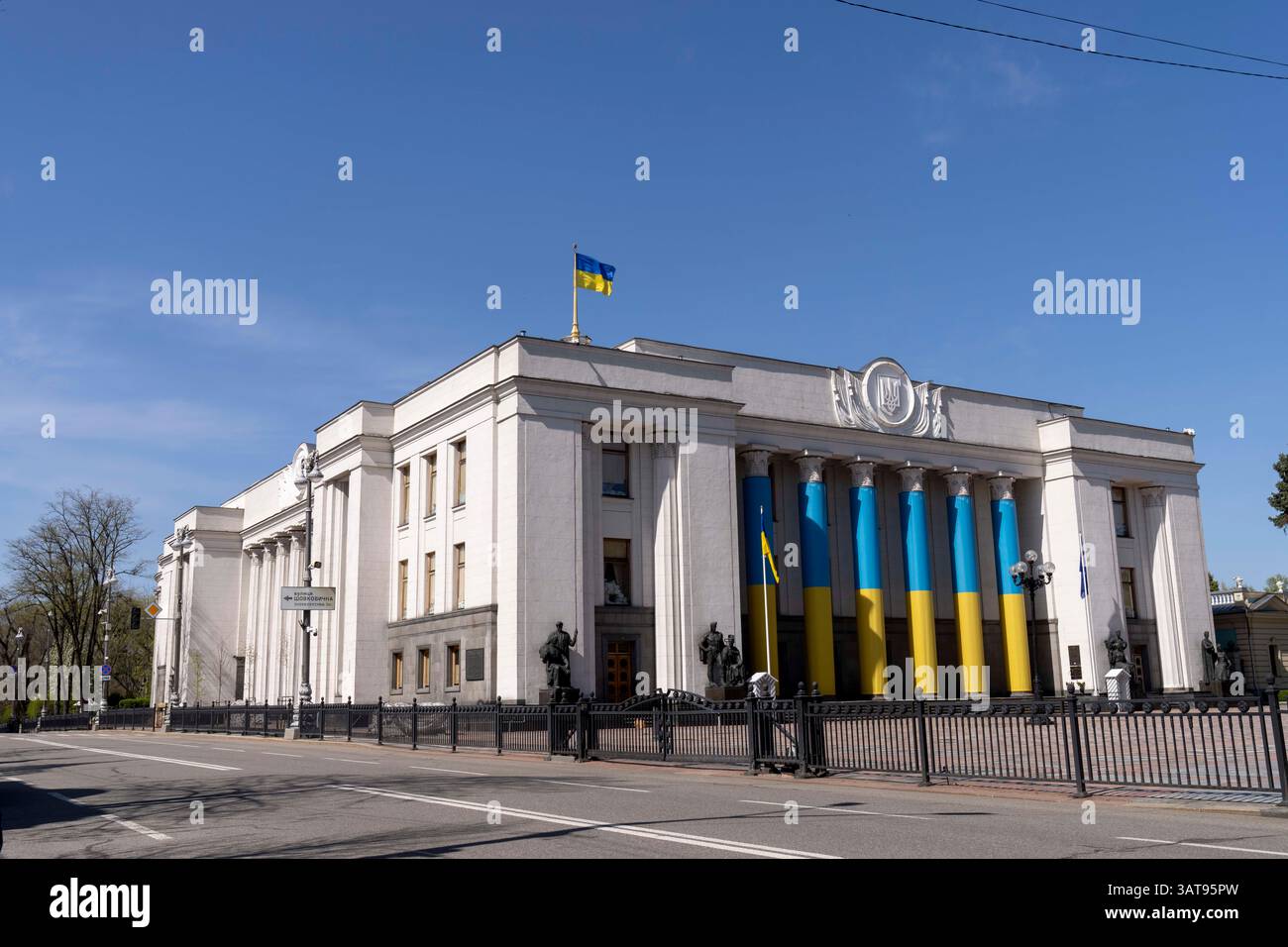
For citizens and organizations tracking these changes, official updates will be published in the official bulletin of the Verkhovna Rada. As the situation evolves, international human rights organizations are expected to release follow-up reports on the accessibility of education for all minority groups. Readers interested in the specific text of the amendments should consult the official legislative database to track how individual articles of the law are being interpreted by the judiciary.
Worth a look