
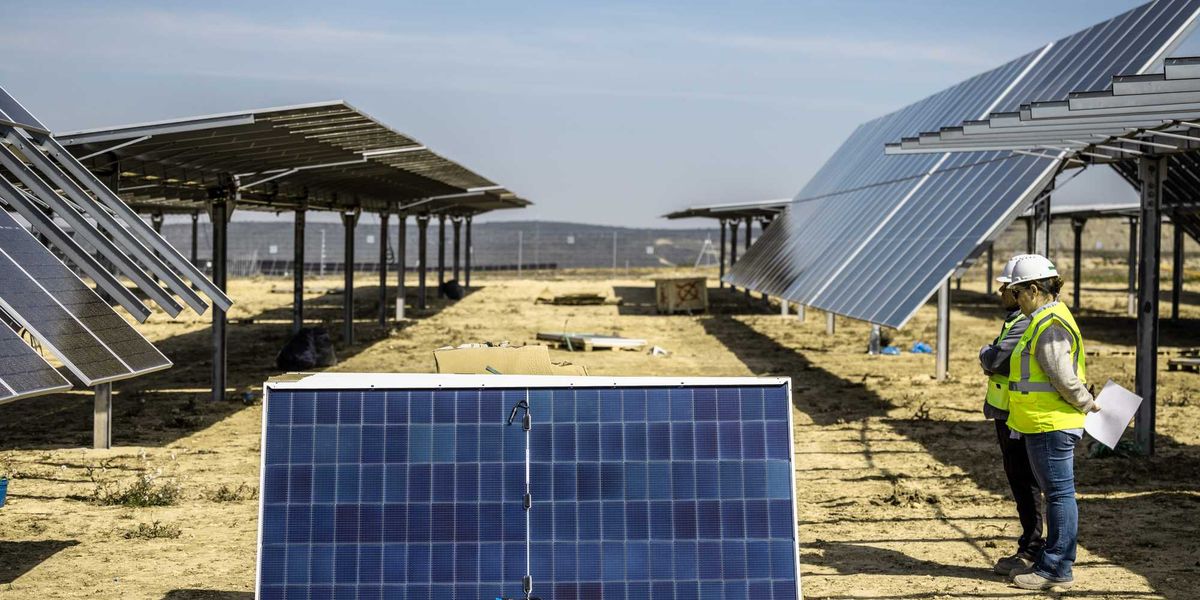
Spain has long been positioned as the vanguard of Europe’s green energy transition. With its vast landscapes and abundant sunshine, the country has aggressively expanded its solar capacity, transforming its energy grid and positioning itself as a global leader in renewable infrastructure. However, beneath the surface of this rapid expansion, a systemic economic flaw is emerging that threatens the viability of the very projects designed to save the planet.
The paradox is stark: as Spain installs more solar panels, the financial value of the electricity they produce is plummeting. This phenomenon, known in economic circles as “price cannibalization,” is creating a precarious environment for investors and operators. While the physical infrastructure is thriving, the business models supporting these plants are under severe strain, leading to a situation where record-breaking production is coinciding with crashing profits.
As a financial journalist who has spent nearly two decades analyzing global markets and economic policy, I have seen how rapid scaling without market calibration can lead to instability. In Spain’s case, the rush to meet climate goals has outpaced the market’s ability to absorb the energy produced. The result is a market where energy is so plentiful during peak hours that its price occasionally drops to near zero, leaving solar plant operators unable to recoup their initial investments.
The “Cannibalization” Effect: When Abundance Becomes a Liability
To understand the current solar energy crisis in Spain, one must understand the mechanics of the wholesale electricity market. Most solar plants sell their energy on the “spot market,” where prices are determined by real-time supply and demand. Because solar energy is generated almost exclusively during the day, a massive surge of electricity hits the grid simultaneously across the country.
When this supply peak occurs, it frequently exceeds the immediate demand for electricity. According to analysis by the Financial Times, this saturation leads to a collapse in prices during the sunniest hours of the day. This represents the essence of price cannibalization: the more solar capacity that is added to the grid, the more the “solar-peak” price is driven down, effectively eroding the profit margins for every solar producer in the market.
This creates a dangerous cycle. Investors who entered the market based on historical price averages are finding that those averages no longer apply. The “merit order” of energy production—where the cheapest sources are used first—means that solar, with its near-zero marginal cost of production, is always the first to be deployed. However, when the market is flooded, the price can fall below the level required to cover the operational costs and debt servicing of the plants.
From Subsidies to the Spot Market: The Investor’s Gamble
The current instability is partly a result of a shift in how renewable energy is funded. In the early stages of Spain’s transition, many projects were supported by government subsidies or guaranteed feed-in tariffs. These mechanisms shielded investors from market volatility, ensuring a steady return regardless of the spot price of electricity.
However, the newer wave of solar installations has been largely “merchant” plants—projects built without government guarantees, relying instead on the open market or private Power Purchase Agreements (PPAs). While PPAs provide some stability by locking in a price with a corporate buyer, a significant portion of the capacity remains exposed to the volatile spot market. As production has surged, the reliance on these volatile prices has left many operators vulnerable to the aforementioned price crashes.
This financial pressure is particularly acute for projects with high leverage. Many solar farms were financed with significant debt, based on revenue projections that did not fully account for the scale of cannibalization. When the hourly price of electricity drops precipitously during the day, these projects struggle to generate the cash flow necessary to service their loans, leading to a rise in financial instability across the sector.
The Global Warning: A Blueprint for the Energy Transition?
The situation in Spain is not merely a local failure; it is a cautionary tale for the global energy transition. As other sunny regions in the Southern Hemisphere and the Mediterranean follow Spain’s lead in rapid solar deployment, they risk replicating the same market distortions. The Spanish experience demonstrates that adding capacity is only half the battle; the other half is managing the economic integration of that capacity into the grid.
The core issue is the lack of flexibility in the energy system. Solar energy is intermittent—it is produced when the sun shines, not necessarily when the demand is highest. Without large-scale energy storage solutions, such as advanced battery systems or green hydrogen production, the excess energy produced during the day is essentially wasted or sold at a loss. This inefficiency is what drives the “meltdown” in profits despite the “benchmark” success in installation.
the transition highlights the tension between political goals and economic reality. While government leaders may tout the number of megawatts installed as a victory for climate policy, the financial health of the industry is what ensures long-term sustainability. If the market becomes too risky for private capital, the pace of the transition could unhurried significantly, or the burden of supporting these failing assets could shift back to the taxpayer.
What Happens Next: The Path to Stability
For the Spanish solar sector to stabilize, the industry must move beyond simple generation and toward integrated energy management. The most critical development will be the deployment of utility-scale storage. By capturing excess energy during the midday price troughs and selling it during the evening peaks, operators can flatten the price curve and recover their margins.

We are also seeing a shift toward “hybridization,” where solar plants are paired with wind turbines or battery arrays to ensure a more consistent energy output throughout the 24-hour cycle. This diversification reduces the reliance on the midday spot market and provides a more resilient revenue stream.
From a policy perspective, there is increasing discussion about reforming the European electricity market to better reward flexibility and storage rather than just raw production. Such reforms would be essential to prevent the “boom-and-bust” cycle currently playing out in the Iberian Peninsula.
The next critical checkpoint for the industry will be the upcoming quarterly energy market reports and the release of updated regulatory frameworks from the Spanish government regarding energy storage incentives. These updates will determine whether the industry can pivot toward a sustainable economic model or if the solar boom will continue to be undermined by its own success.
Do you believe the transition to renewables can succeed without heavy government price guarantees, or is the “cannibalization” effect an inevitable part of a free-market energy transition? Share your thoughts in the comments below.