
Spotify is reportedly exploring the expansion of its digital music platform to include live concert and festival streaming services. While the company has not issued an official announcement, industry reports suggest that the audio streaming giant is currently engaged in preliminary discussions with potential partners to integrate real-time performance broadcasts directly into its application. This potential move represents a significant shift for a platform primarily known for its on-demand recorded audio libraries and curated playlists.
The interest in live event integration follows a broader industry trend where streaming platforms seek to diversify revenue streams and increase user engagement through exclusive, time-sensitive content. As of early 2024, Spotify has focused heavily on podcasts, audiobooks, and high-fidelity audio testing, yet the live performance sector remains a largely untapped frontier for the Stockholm-based firm. Industry analysts suggest that adding live video or audio streams could provide the company with new data points regarding user preferences for live entertainment, potentially competing with dedicated ticketing and streaming platforms.
Strategic Expansion into the Live Entertainment Market
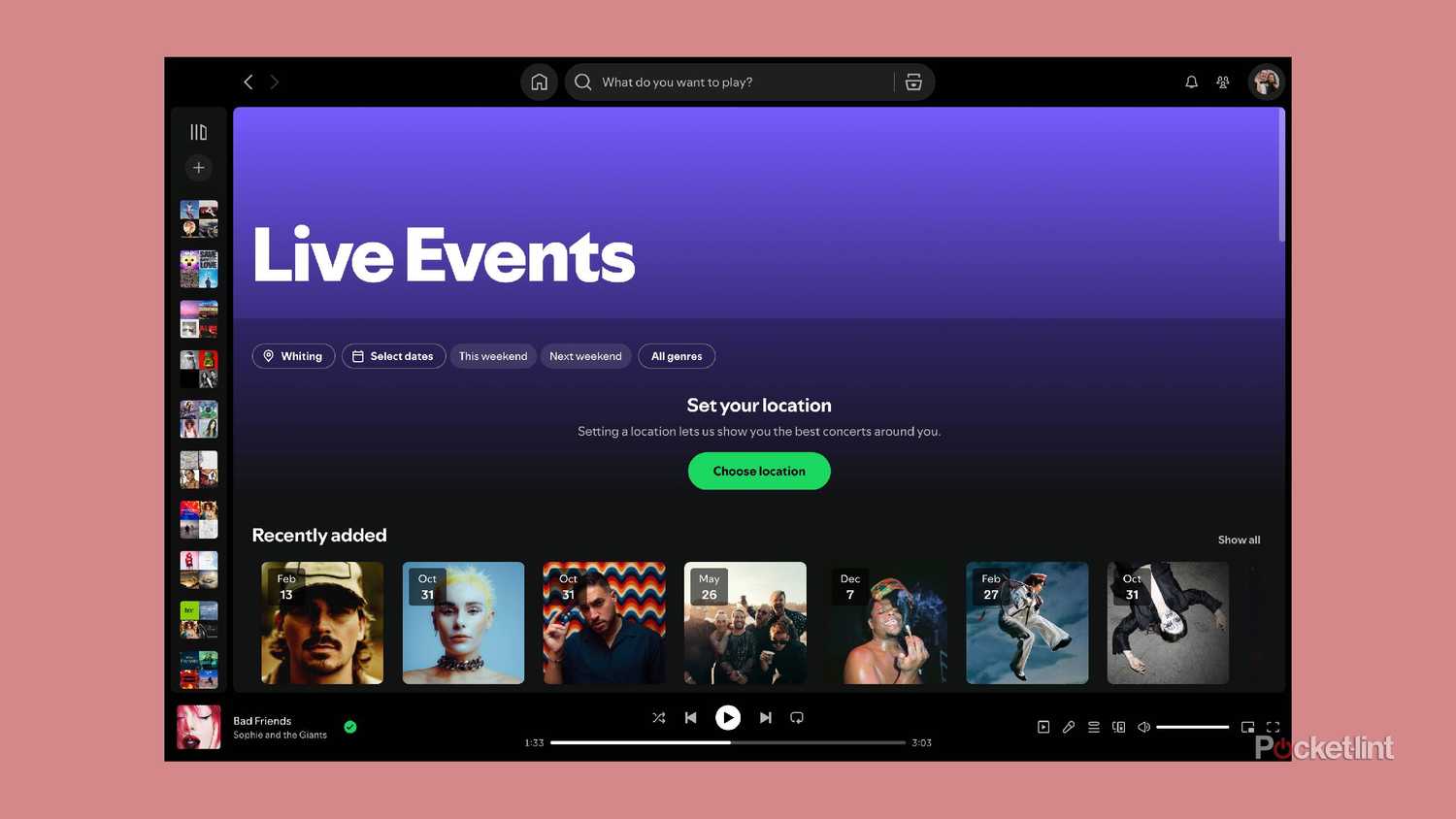
The potential entry into the live broadcast space reflects Spotify’s ongoing effort to transition from a music library to a comprehensive audio ecosystem. According to internal industry discussions cited by various trade publications, the company is evaluating how to bridge the gap between its existing concert discovery features and a fully immersive, live-streamed experience. Currently, Spotify offers a “Live Events” feed that alerts users to upcoming shows in their area, a feature powered by partnerships with ticketing platforms like Ticketmaster and AXS. Integrating actual streams would represent a vertical expansion of these existing relationships.

The technical requirements for such a service are substantial. Expanding into live streaming would necessitate robust server infrastructure to handle concurrent high-traffic events, a challenge the company has previously navigated through its massive scale of on-demand audio delivery. Furthermore, content licensing for live performances often involves complex negotiations with rights holders, performers, and venue operators. These legal complexities have historically slowed the adoption of live streaming features among major music aggregators, as reported by industry research firms focusing on digital rights management in the music sector.
What This Means for Artists and Listeners
For artists, the addition of a native streaming feature could offer a new avenue for monetization and audience reach. Musicians frequently utilize third-party platforms to broadcast shows to global audiences, often dealing with fragmented user bases. If Spotify were to consolidate this experience, it could provide a centralized hub for fans to discover, purchase tickets for, and eventually watch performances. This would likely follow the model of the company’s “Fans First” initiatives, which leverage listener data to offer exclusive access to merchandise and pre-sale tickets.
For listeners, the primary benefit lies in convenience. By removing the need to navigate to separate video-centric platforms, users could theoretically transition from listening to an artist’s studio album to watching their live set without leaving the Spotify interface. However, the success of such a feature would depend heavily on the quality of the production and the company’s ability to offer content that provides value beyond what is available on free-to-access video platforms. The integration would also likely influence how the company approaches its premium subscription tiers, as live content could be gated behind higher-cost memberships.
Challenges and Industry Precedents
Spotify’s potential pivot into live streaming faces competition from established players that have already solidified their presence in the space. Platforms like Veeps and various social media integrations have already begun to monetize the virtual concert experience. Additionally, the company must balance its core focus on recorded music with the unpredictable nature of live events. Technical failures during high-profile broadcasts can lead to significant reputational risk, a reality that has impacted other major tech companies attempting to enter the live broadcast market in recent years.
Financial analysts following the digital music sector have noted that Spotify’s profitability remains a key concern for investors. While the company has seen growth in its monthly active user base—reaching over 600 million users as of early 2024 according to its official quarterly earnings filings—the cost of content acquisition continues to weigh on margins. Any move into live streaming would require a clear path toward monetization, whether through advertising, pay-per-view fees, or increased subscription revenue. The firm’s management has historically emphasized a cautious approach to new product development, focusing on features that drive long-term retention rather than short-term spikes in interest.
Future Outlook and Next Steps
No definitive timeline for the launch of a live streaming service has been established. As of the current reporting period, Spotify continues to refine its “Live Events” discovery tools and has not filed any regulatory documents indicating an immediate pivot to video-heavy live broadcasting. Interested users can monitor the company’s official “Newsroom” portal for future product updates and potential announcements regarding new service tiers or features. The company’s next earnings call, typically held on a quarterly basis, remains the primary venue for official confirmation regarding strategic shifts in service offerings.
As the landscape for digital media continues to evolve, the integration of live performance remains a logical, albeit complex, evolution for music streaming platforms. Whether Spotify moves forward with a full-scale live streaming service or continues to act as a discovery engine for third-party platforms remains to be seen. Readers are encouraged to share their thoughts on how such a feature would impact their listening habits in the comments section below.
Worth a look