
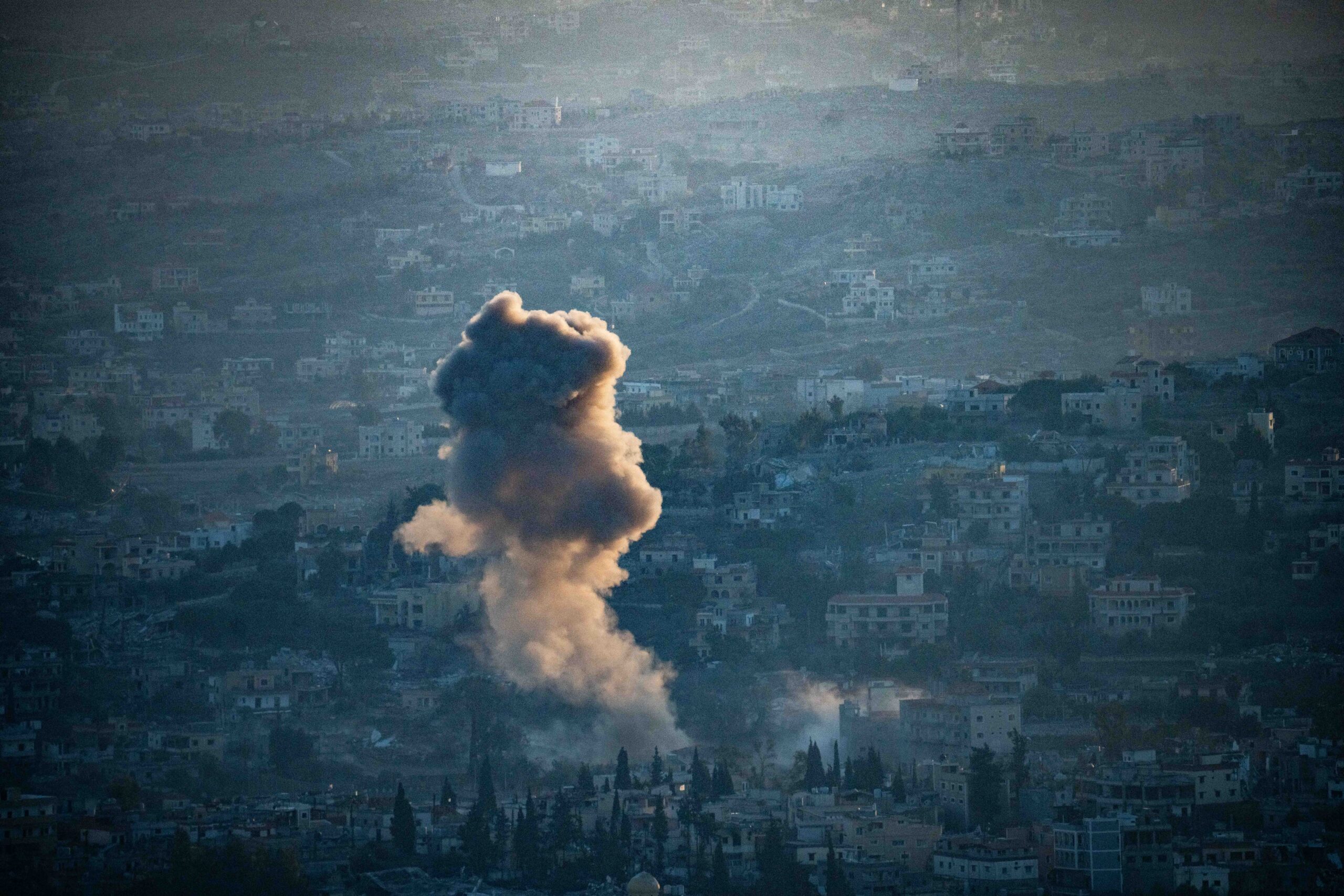
The Israel Defense Forces (IDF) reported the landing of two projectiles near its positions in southern Lebanon on Wednesday, as regional tensions continue to escalate along the northern border. Military officials confirmed that the projectiles fell in an open area, resulting in no reported casualties or damage to equipment. This incident follows a series of cross-border exchanges between Israeli forces and Hezbollah, occurring amid a broader period of heightened military activity throughout the Middle East.
According to an official statement from the Israel Defense Forces, the military is currently monitoring the situation in the sector, where ground operations have intensified in recent weeks. The IDF maintains that these projectiles were part of a wider pattern of sporadic fire directed toward its maneuvering units. Security analysts suggest that such incidents highlight the persistent risk of localized skirmishes evolving into larger engagements, particularly as both sides utilize reconnaissance and defensive measures in the challenging terrain of southern Lebanon.
Security Developments in Northern Israel
The situation remains volatile, with frequent air raid sirens signaling potential threats in northern Israeli communities. Reports indicate that warning sirens were activated in the town of Shlomi, located near the Lebanese border, shortly after a visit by Israeli Prime Minister Benjamin Netanyahu to the northern region. While the IDF has not linked the specific timing of the projectile landing to the Prime Minister’s itinerary, the proximity of the alerts has heightened concerns among local residents and regional observers.
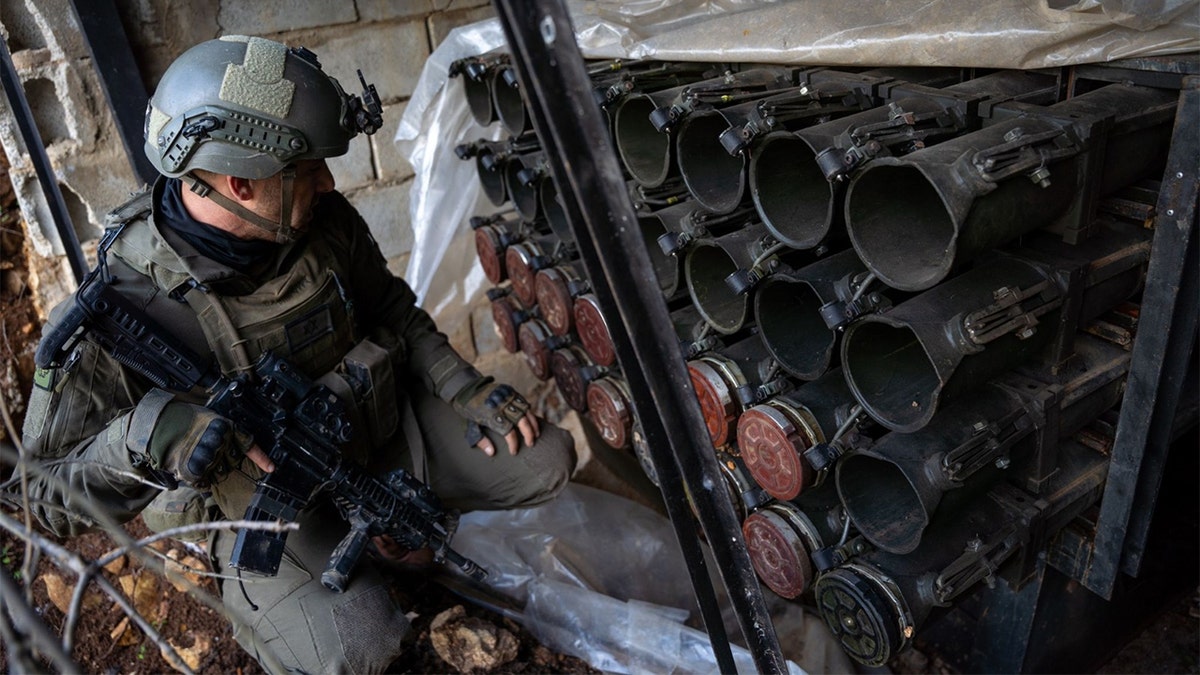
The ongoing conflict along the Blue Line, the demarcation line between Israel and Lebanon, has forced thousands of civilians to relocate. The United Nations Interim Force in Lebanon (UNIFIL) continues to urge all parties to exercise maximum restraint, citing the severe humanitarian impact of continued hostilities. Despite these calls, the exchange of fire, involving both short-range rockets and precision-guided munitions, has become a daily occurrence, with the IDF utilizing its Iron Dome and other aerial defense systems to mitigate incoming threats.
Regional Context and Strategic Implications
This localized escalation in southern Lebanon is unfolding against a backdrop of wider regional instability. In a separate development, defense officials in the Gulf have reported successful interceptions of aerial threats, underscoring the interconnected nature of current security challenges. According to the Bahrain Defence Force, national air defense systems were activated to intercept and neutralize hostile aerial targets, reflecting the increased alert status across regional military commands.
The strategic significance of these events lies in the potential for miscalculation. Military historians often point to the “security dilemma,” where defensive posturing by one side is perceived as an offensive threat by the other, leading to a cycle of escalation. As the IDF continues its efforts to neutralize infrastructure used by armed groups in southern Lebanon, the Office of the United Nations High Commissioner for Human Rights has emphasized the necessity of protecting civilian populations and adhering to international humanitarian law. The effectiveness of current military operations is currently under review by international observers, who are monitoring the impact of these strikes on regional stability.
What Happens Next
The immediate outlook for the border region remains uncertain. Military observers expect the IDF to continue its intelligence-led operations to identify and dismantle launch sites in southern Lebanon. For residents in northern Israel, the focus remains on the Home Front Command’s official guidance, which provides real-time updates regarding safety protocols and shelter availability. There are no scheduled high-level diplomatic talks to address the specific border skirmishes at this time, though back-channel communications through international intermediaries remain a common, if often private, feature of the conflict.
The next major checkpoint will likely involve official statements from the IDF regarding the results of their ongoing operational assessments in the south. Observers are also watching for updates from international bodies regarding the safety of peacekeeping personnel in the area. We will continue to provide verified updates as information becomes available. Readers are encouraged to share this report and engage with our coverage of regional security affairs in the comments section below.
Related reading