
In a move that underscores the evolving relationship between audio streaming platforms and long-form written content, Spotify has been exploring the integration of narrated articles within its expansive digital library. This strategic shift reflects a broader industry trend toward diversifying audio offerings beyond traditional music and podcasts, aiming to capture the attention of busy users who prefer listening to high-quality journalism during their daily routines.
As the digital landscape shifts toward multi-modal content consumption, companies like Spotify are increasingly leveraging their audio infrastructure to bridge the gap between text-based media and the listener experience. By testing the delivery of narrated content, the platform is effectively positioning itself as a comprehensive hub for information, not just entertainment, providing a seamless transition for users who want to stay informed while on the move.
Expanding the Audio Ecosystem
The core of this initiative lies in the platform’s ability to curate and distribute diverse audio formats. For years, the digital audio space was dominated by music, but the rapid growth of the podcasting sector paved the way for more experimental content types. Narrated articles represent a natural evolution, offering a high-value alternative to standard audiobooks or episodic shows.
For startup founders and digital strategists, this development serves as a pertinent case study in product diversification. The platform is not merely adding a new button to its interface; It’s testing a fundamental shift in user behavior: transforming passive readers into active listeners of premium editorial content. This strategy allows the company to maximize the utility of its existing user base while potentially attracting a new demographic that prioritizes efficiency and accessibility in their daily information consumption.
Strategic Lessons for Startup Founders
When analyzing these platform-level shifts, several key takeaways emerge for those building in the tech ecosystem. First, the importance of “platform stickiness” cannot be overstated. By diversifying the types of media available, a company increases the likelihood that a user will remain within its ecosystem for longer periods, thereby increasing engagement metrics and data collection opportunities.
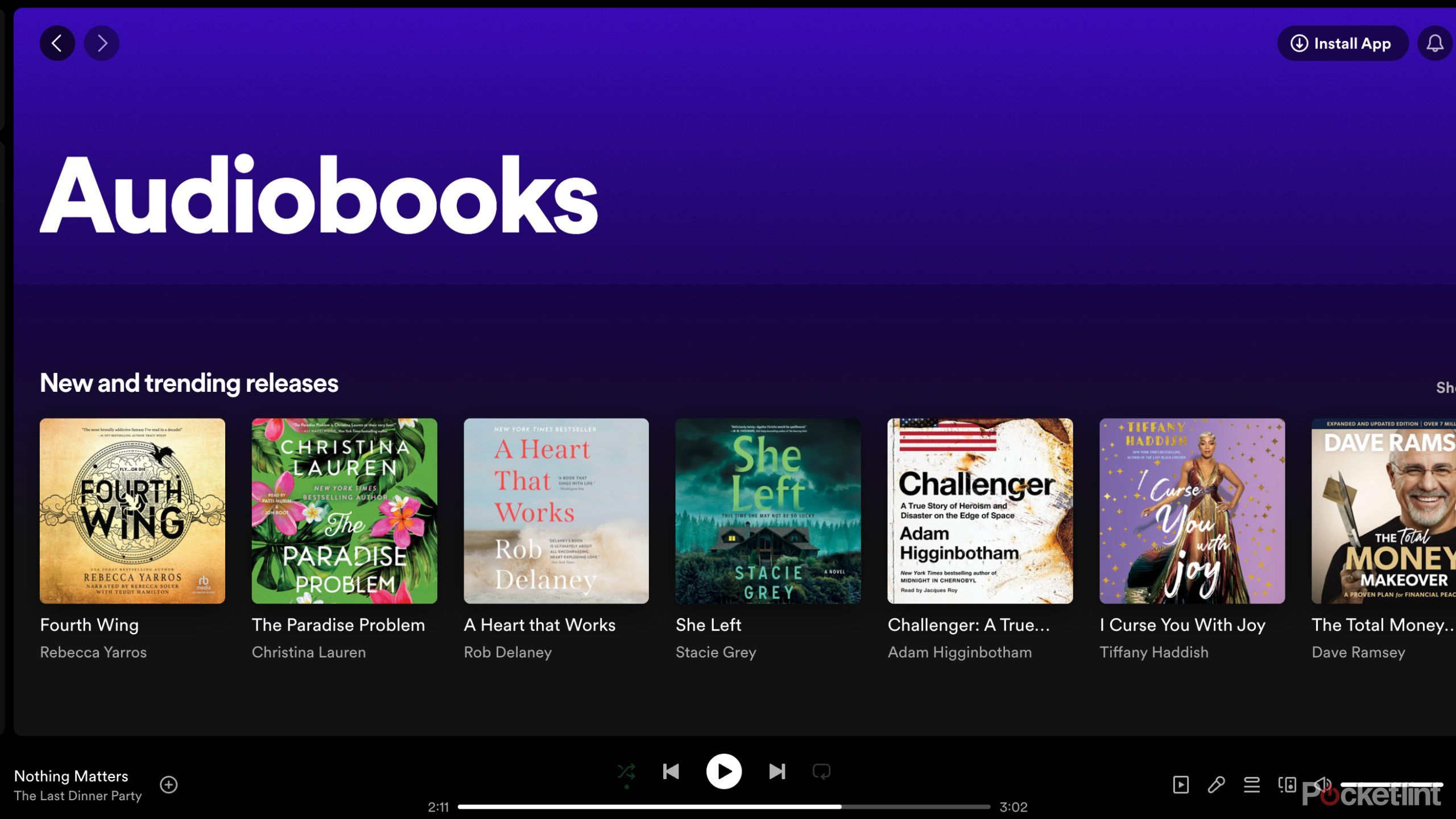
Secondly, the focus on “premium” content highlights a move toward quality-over-quantity. In an era where AI-generated content is proliferating, platforms that can curate, verify, and present high-quality, human-narrated journalism distinguish themselves as trusted authorities. Founders looking to scale should consider how their own product roadmaps can prioritize value-added content that addresses specific user pain points—such as the “time-poor” professional who wants to consume news without staring at a screen.
Finally, the iterative approach—starting with a test phase—demonstrates a disciplined methodology. Rather than launching a global, full-scale feature, the company opted to gather data, refine the user experience, and gauge demand. This “test-and-learn” culture is essential for startups navigating uncertain market conditions, ensuring that resources are allocated to features that actually resonate with the core audience.
The Future of Digital Information Consumption
As we look toward the remainder of 2026, the integration of audio and text is expected to deepen. The technical challenges—ranging from high-quality text-to-speech synthesis to licensing agreements with publishers—are significant, yet the potential reward is a more integrated media experience for the end user. For the consumer, this means a more personalized audio feed that learns not just what music they enjoy, but what information they find valuable.
The broader implications for the media industry are equally profound. Traditional publishers are increasingly looking for ways to reach audiences beyond their own websites and newsletters. By partnering with massive audio distribution platforms, they can potentially reach millions of listeners, creating new monetization streams and expanding their brand reach in an increasingly crowded digital marketplace. The transition from static text to dynamic audio is, in many ways, an attempt to meet the audience where they are—a fundamental principle of successful digital transformation.

As the industry continues to evolve, stakeholders should monitor official updates from Spotify’s newsroom regarding feature rollouts, licensing partnerships, and expansion plans. Whether this format becomes a permanent fixture or a niche experiment, it remains a clear signal of where the future of media consumption is heading: a more fluid, accessible, and audio-first world.
What are your thoughts on the shift toward audio-narrated journalism? Does the convenience of listening to articles change how you consume news? Share your perspective in the comments below or join the conversation on our social channels.