
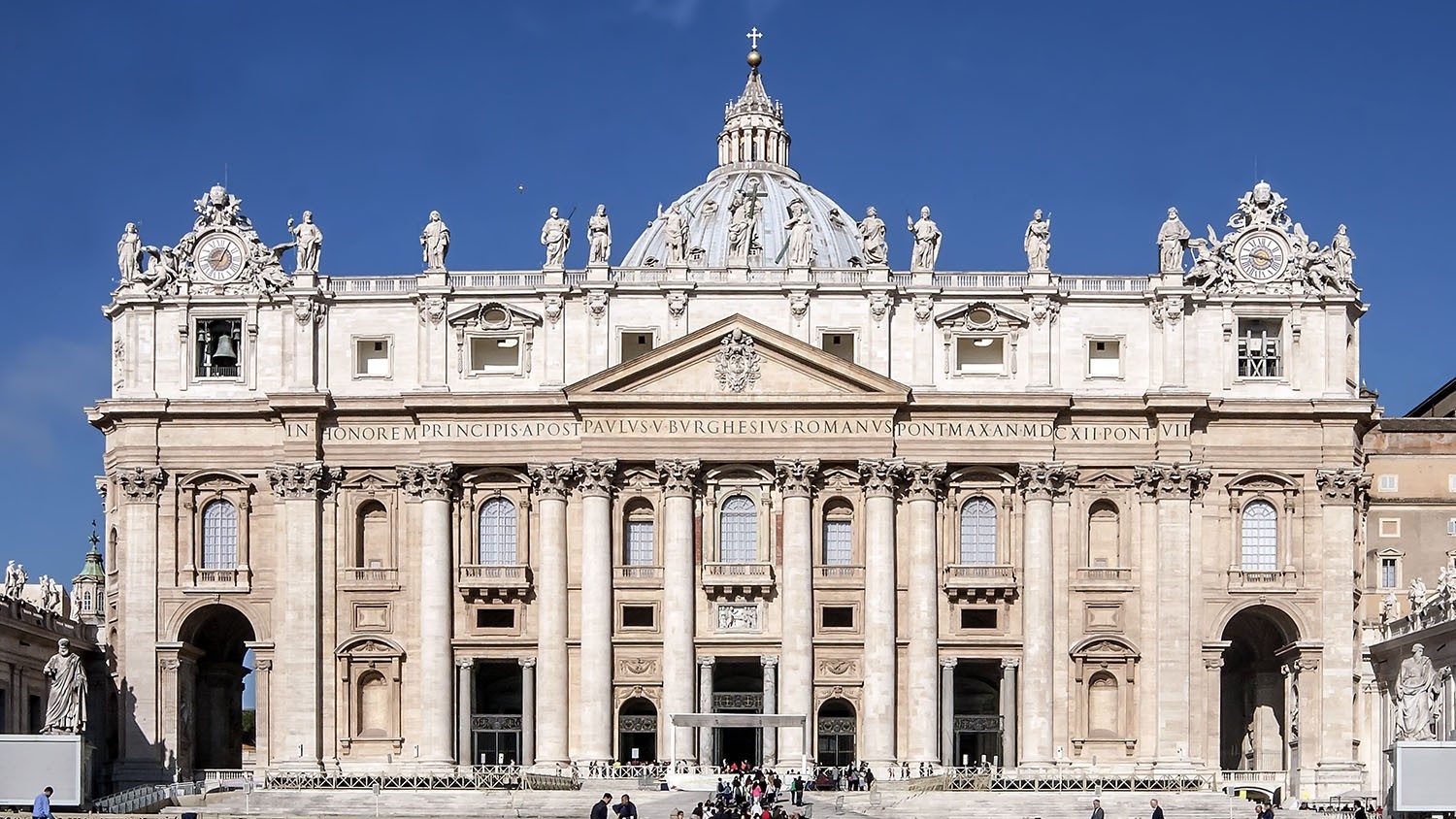
Vatican City – As preparations intensify for a year-long celebration, St. Peter’s Basilica is poised to mark four centuries since the laying of its foundation stone. The jubilee, officially commencing on February 20, 2026, will not only commemorate the architectural and spiritual significance of the basilica but also showcase a series of innovative initiatives designed to enhance the experience for pilgrims and visitors alike. From a newly commissioned Via Crucis to a multilingual translation app powered by artificial intelligence, the Vatican is embracing technology to broaden access and deepen engagement with this iconic landmark.
The story of St. Peter’s Basilica is one of continuous evolution, rooted in a profound reverence for the Apostle Peter, considered the first Pope. While the current structure is a Renaissance masterpiece, its origins trace back to a much earlier church commissioned by Roman Emperor Constantine in the 4th century. As Cardinal Mauro Gambetti, Archpriest of the Basilica and President of the Fabric of Saint Peter, explained, the decision by Pope Julius II in 1506 to dismantle Constantine’s basilica wasn’t an act of destruction, but rather a deliberate effort to “give a modern form to what already existed, returning it to its origins.” This undertaking, though initially controversial given the basilica’s over a thousand years of history as a site of pilgrimage and veneration of St. Peter, was understood as a renovation – a continuation of tradition, ensuring the sanctity of the apostle’s tomb remained central to the new design.
A Legacy of Renewal and Renaissance Vision
The decision to rebuild St. Peter’s Basilica reflects a broader pattern within the Catholic Church, one of continuous renewal while preserving core beliefs. According to Cardinal Gambetti, the renovation embodied “a renewal in continuity and this is characteristic of authentic Church Tradition.” The foundation – the tomb of St. Peter – remained untouched, serving as the focal point for a new architectural expression inspired by the Renaissance’s artistic and theological currents. This period saw a flourishing of artistic and intellectual creativity, and the rebuilding of the basilica became a symbol of the Church’s own revitalization.
The ambitious project attracted some of the most celebrated artists of the Renaissance, including Bramante, Raphael, Michelangelo, and Bernini, each contributing to the basilica’s evolving design over centuries. Mauro Gambetti, appointed Archpriest in 2021, now oversees the ongoing stewardship of this architectural marvel. He also serves as the Vicar General for Vatican City State, highlighting the basilica’s central role in the life of the Catholic Church.
New Initiatives for a Modern Pilgrimage
The 2026 jubilee will be marked by a series of events designed to engage both the faithful and those curious about the basilica’s history and art. On February 20th, a new Stations of the Cross (Via Crucis) will be unveiled, the result of an international competition won by Swiss artist Manuel Dirs. Throughout the year, spiritual and educational gatherings will be held, and a special pilgrimage route, “Quo Vadis,” will be established throughout Rome, tracing the footsteps of the apostles Peter and Paul. The jubilee year will culminate in a solemn Mass celebrated by Pope Francis on November 18th.
Beyond these traditional observances, the Vatican is embracing technological advancements to enhance the visitor experience. A dedicated mobile app, powered by artificial intelligence, will provide real-time translations of the Holy Mass into 60 languages. This initiative, a collaboration with language service provider Translated, aims to make the liturgy accessible to a wider global audience. As Kursors.lv reported, Cardinal Gambetti expressed his satisfaction with the partnership, emphasizing the basilica’s long-standing tradition of welcoming people from all nations and languages. Visitors will be able to scan a QR code with their smartphones to access audio and text translations without needing to download a separate application.
Leveraging AI for Global Accessibility
The translation technology utilized by the Vatican is based on “Lara,” an AI translation tool developed by Translated and launched in 2024. This demonstrates the growing integration of artificial intelligence within the Church, aiming to overcome language barriers and foster a more inclusive environment for worship and cultural exchange. The app’s functionality extends beyond simple translation; it represents a broader effort to utilize technology to connect with a global community of faith.
Enhancing the Visitor Experience Through Digital Innovation
The Vatican is also introducing a “digital ecosystem” to streamline access to St. Peter’s Basilica. This system will allow visitors to reserve entry tickets online, reducing wait times and improving crowd management. An interactive platform will also be launched, enabling pilgrims and tourists to share their experiences and connect with others. These digital tools are designed to complement the basilica’s spiritual atmosphere, providing a more seamless and enriching visit.
Further demonstrating its commitment to artistic and technological innovation, Microsoft Office will release a new institutional font, “Michelangelo,” inspired by the handwriting of the Renaissance master Michelangelo Buonarroti. This font will be available within the Microsoft Office suite, offering a unique and historically resonant design option for users worldwide.
The Historical Context of St. Peter’s Basilica
The history of St. Peter’s Basilica is inextricably linked to the life and legacy of Saint Peter, one of Jesus Christ’s twelve apostles. Tradition holds that Peter was crucified in Rome and buried on the Vatican Hill. The first basilica was built over his tomb in the 4th century by Emperor Constantine, marking the site as a sacred pilgrimage destination. Over the centuries, the basilica underwent numerous renovations and expansions, culminating in the grand Renaissance structure we see today. The ongoing preservation and enhancement of St. Peter’s Basilica represent a continuous commitment to honoring its historical and spiritual significance.
The rebuilding initiated by Pope Julius II in 1506 wasn’t simply about constructing a new building; it was about reaffirming the Church’s enduring faith and its connection to its apostolic origins. The decision to dismantle the existing structure, while debated at the time, was ultimately seen as a necessary step to create a more fitting and magnificent tribute to St. Peter and the enduring power of the Catholic Church.
The upcoming jubilee year provides an opportunity to reflect on this rich history and to celebrate the basilica’s enduring legacy. The combination of traditional observances and innovative technologies underscores the Vatican’s commitment to both preserving its heritage and embracing the future. As St. Peter’s Basilica prepares to mark four centuries of its current form, it remains a beacon of faith, art, and history for millions of visitors from around the globe.
The Vatican has not yet announced further details regarding specific events beyond those already publicized. Updates and information regarding the jubilee celebrations will be released on the Vatican News website. As the year progresses, visitors and pilgrims can anticipate a series of events that will honor the basilica’s past, celebrate its present, and look forward to its future.
What are your thoughts on the Vatican’s embrace of technology to enhance the pilgrimage experience? Share your comments below and join the conversation.


![Martin: Sweet FIV+ Tabby Cat Seeking Loving Home | [Shelter/Rescue Name]](https://i0.wp.com/g.petango.com/photos/1145/2774b67f-b3fa-4236-b157-9db528e4fa12.jpg?resize=330%2C220&ssl=1 "Martin: Sweet FIV+ Tabby Cat Seeking Loving Home | [Shelter/Rescue Name]")


