
Star Fox’s Revival Raises Questions: Why Are Other Nintendo Franchises Still Dormant?
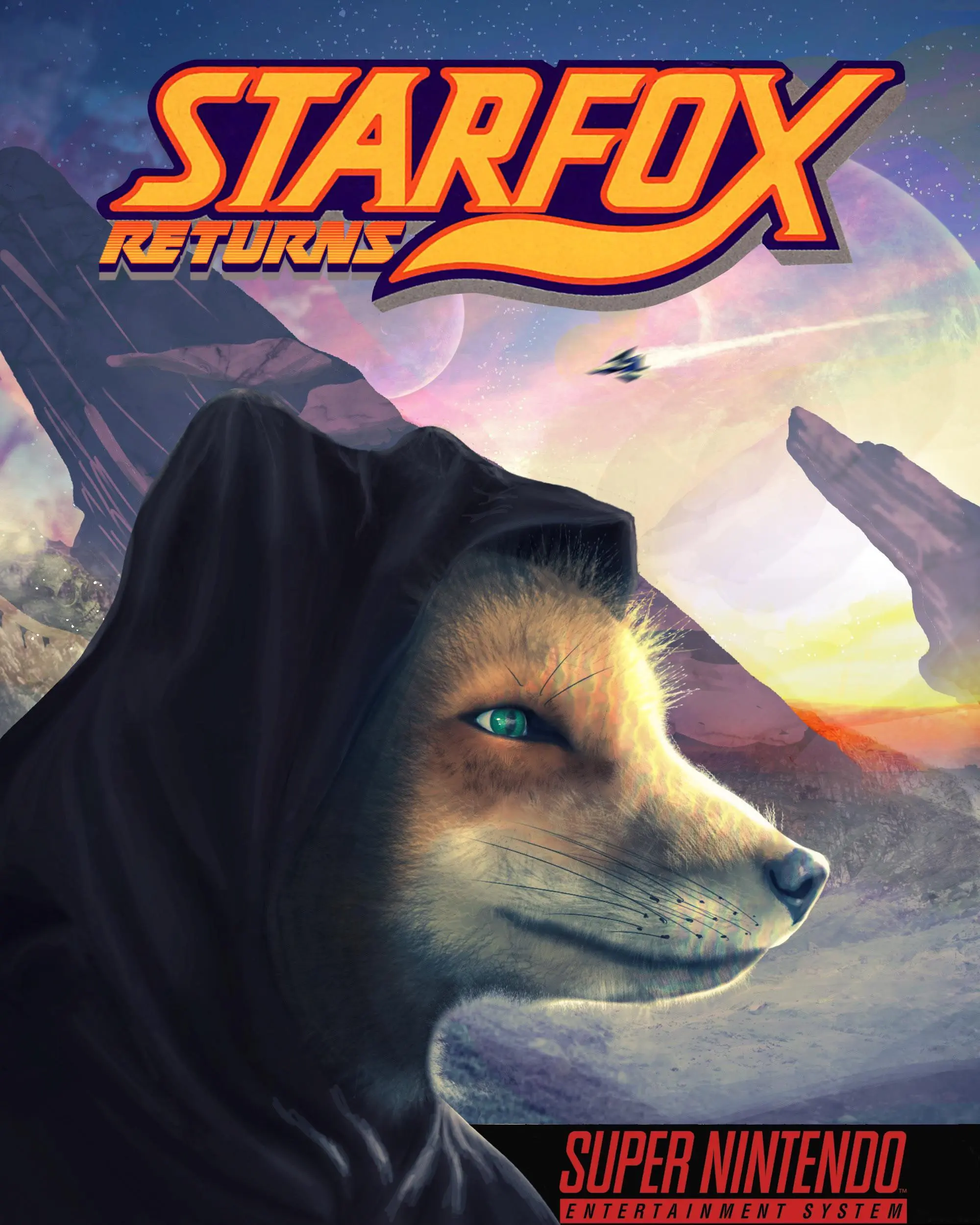
Nintendo’s gaming universe is built on iconic franchises that have defined generations of players. But for fans of beloved series like Star Fox, Metroid, and Fire Emblem, the past decade has been marked by frustrating silence. The recent announcement of a new Star Fox game—following its appearance in The Super Mario Galaxy Movie—has reignited hope, but it also raises a critical question: Why does Nintendo revive some franchises while leaving others dormant for years, even decades?
The answer isn’t straightforward. While Nintendo has consistently delivered new installments for its core franchises like Mario, Zelda, and Pokémon, other series have fallen by the wayside, often due to internal creative challenges or shifting priorities. The Star Fox revival, in particular, comes after nearly a decade without a new mainline entry—a gap that feels especially stark given the franchise’s history as one of Nintendo’s most ambitious projects. But is this a one-time exception, or will other dormant franchises follow suit?
To understand why some Nintendo properties thrive while others languish, we need to examine the company’s development philosophy, the challenges of reviving legacy franchises, and what the future might hold for fans of these forgotten series.
Key Takeaways
- Star Fox’s revival marks the first new mainline game in nearly 10 years, following its appearance in The Super Mario Galaxy Movie.
- Nintendo has historically prioritized Mario, Zelda, and Pokémon, leaving other franchises like Metroid and Fire Emblem with long gaps between releases.
- Creative challenges and development risks often delay or cancel projects, as seen with the Metroid game canceled for the Nintendo 64.
- The Switch 2 era could bring renewed focus on dormant franchises, but Nintendo has not confirmed plans for other series.
- Fans speculate that licensing deals, cross-media opportunities, and hardware compatibility play key roles in revival decisions.
The Star Fox Revival: A Rare Exception or a New Trend?
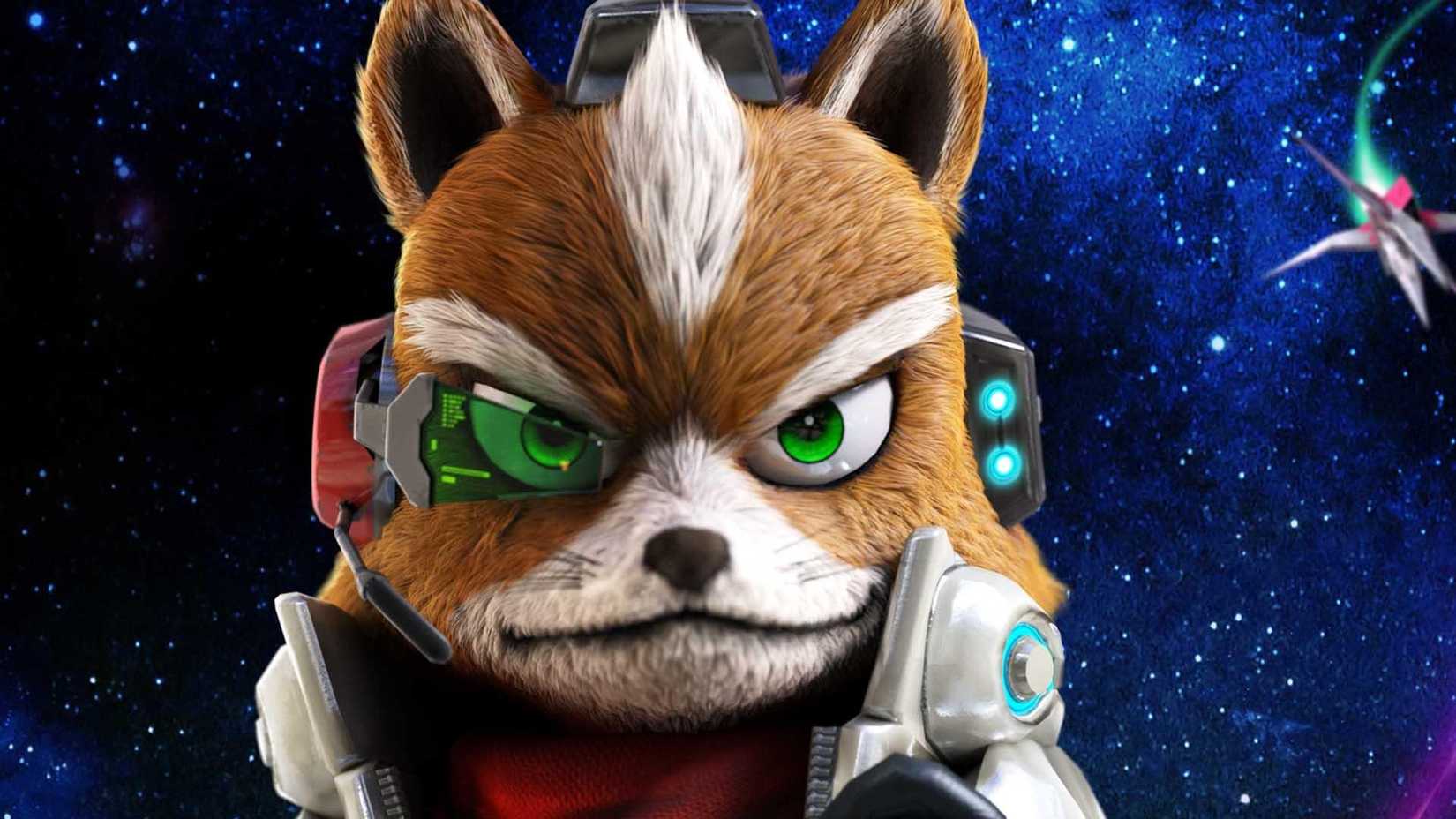
The most recent Star Fox game, Star Fox Zero, launched in 2016 for the Wii U—a console that struggled to gain traction. Since then, the franchise has remained silent, with only the re-release of the canceled Star Fox 2 in 2017 as part of Nintendo Online. That silence ended abruptly with the announcement of Fox McCloud’s appearance in The Super Mario Galaxy Movie and rumors of a new Star Fox game for the upcoming Switch 2 console.

For longtime fans, this revival is a long-awaited victory. But it also raises questions about why Star Fox was chosen for a comeback while other franchises remain inactive. Nintendo has never been shy about sidelining projects it deems unviable. In 1996, the company canceled Metroid 64 after developers struggled to find a compelling direction for the series on the Nintendo 64. Legendary designer Shigeru Miyamoto later admitted that Nintendo “didn’t find an idea that really brought that together for the Wii” in the case of Star Fox, leading to its absence during that console’s lifespan.
So what changed? Industry analysts suggest that Nintendo’s decision to revive Star Fox may be tied to multiple factors:
- Cross-media opportunities: The franchise’s appearance in The Super Mario Galaxy Movie suggests Nintendo is exploring new ways to reintroduce dormant IP to younger audiences.
- Hardware alignment: The upcoming Switch 2 may provide the technical foundation needed to modernize Star Fox without the limitations of past consoles.
- Fan demand and nostalgia marketing: Nintendo has increasingly leaned into nostalgia as a driver for new projects, and Star Fox has a dedicated fanbase eager for a return.
Yet, despite these developments, other franchises like Metroid, Fire Emblem, and F-Zero remain inactive. The Metroid series, in particular, has seen only one new game since Metroid: Samus Returns in 2017—a mobile title that, while well-received, did not address the franchise’s core identity. Fans have long awaited a return to the series’ signature action-adventure roots, but Nintendo has remained silent on future plans.
Why Do Some Franchises Thrive While Others Fade?
Nintendo’s approach to franchise management has always been inconsistent. While Mario, Zelda, and Pokémon receive regular updates, other series often face delays or cancellations. This disparity can be attributed to several key factors:
1. Development Challenges and Creative Risks
Not all franchises are equally easy to revive. Nintendo’s first-party studios often struggle with finding fresh ideas that honor a series’ legacy while appealing to modern audiences. The Metroid cancellation for the Nintendo 64 is a prime example. As Miyamoto noted, developers couldn’t find a direction that felt true to the series while leveraging the console’s capabilities. Similarly, Star Fox faced challenges during the Wii era, with Nintendo ultimately deciding that the franchise didn’t align well with the console’s motion-control gimmicks.
These creative hurdles are compounded by the high stakes of Nintendo’s first-party development. Unlike third-party studios, Nintendo’s internal teams must deliver games that meet the company’s exacting standards—often leading to delays or cancellations when a project doesn’t meet expectations.
2. Hardware and Technical Limitations
Some franchises are particularly vulnerable to hardware shifts. The Star Fox series, for instance, was originally designed for Nintendo’s console lineups but struggled to transition smoothly between generations. The Wii U’s failure further complicated its revival, as the console’s niche appeal limited the franchise’s potential audience.
In contrast, Mario and Zelda benefit from Nintendo’s ability to iterate on familiar gameplay mechanics while pushing technical boundaries. These franchises have the flexibility to evolve without losing their core identity—a luxury not always afforded to older series.
3. Market Demand and Niche Appeal
Nintendo’s decision to revive Star Fox may also reflect a broader shift in how the company evaluates franchise potential. While Metroid and Fire Emblem have passionate fanbases, their niche appeal can make them less attractive for mass-market releases. Star Fox, has always had broad crossover appeal, making it a safer bet for a high-profile revival.
This doesn’t mean other franchises are doomed to remain dormant. However, Nintendo’s prioritization of Mario, Zelda, and Pokémon—which generate significant revenue through merchandise, spin-offs, and media adaptations—often takes precedence over series with smaller commercial footprints.
What Does the Future Hold for Dormant Franchises?
The upcoming Switch 2 era presents an opportunity for Nintendo to revisit its back catalog. The new hardware’s improved performance could finally unlock the potential for long-dormant franchises like Metroid and F-Zero. However, Nintendo has not yet confirmed any plans beyond Star Fox.
Fans can take heart from recent trends. Nintendo has shown a willingness to revive older properties when the timing is right. The re-release of Star Fox 2 and the success of Metroid: Samus Returns demonstrate that the company is capable of bringing dormant franchises back to life—even if the results aren’t always what fans hope for.
For now, the focus remains on Star Fox. The franchise’s return to the spotlight—particularly through its appearance in The Super Mario Galaxy Movie—suggests that Nintendo is serious about its revival. Whether this signals a broader shift in how the company handles its back catalog or remains an isolated case is anyone’s guess.
What Fans Can Expect Next
While Nintendo has not provided a definitive timeline for future franchise revivals, several key developments could shape the landscape in the coming months:
- Official announcements about Star Fox‘s next game, including release windows and platform details, are expected later this year.
- Rumors of a new Metroid game for Switch 2 continue to circulate, though nothing has been confirmed.
- Nintendo’s direct presentations at events like The Game Awards or E3 could offer clues about future plans for dormant franchises.
For now, fans of Nintendo’s forgotten series must remain patient. The company’s history suggests that revivals often come when least expected—and sometimes not at all. But with Star Fox leading the charge, there’s reason to hope that other beloved franchises may yet see the light of day.
What dormant Nintendo franchise would you like to see revived next? Share your thoughts in the comments below—or let us know if you’ve spotted any hints about future projects in the latest Nintendo Direct presentations.
Don’t forget to follow World Today Journal for the latest updates on Nintendo’s entertainment lineup.
Worth a look