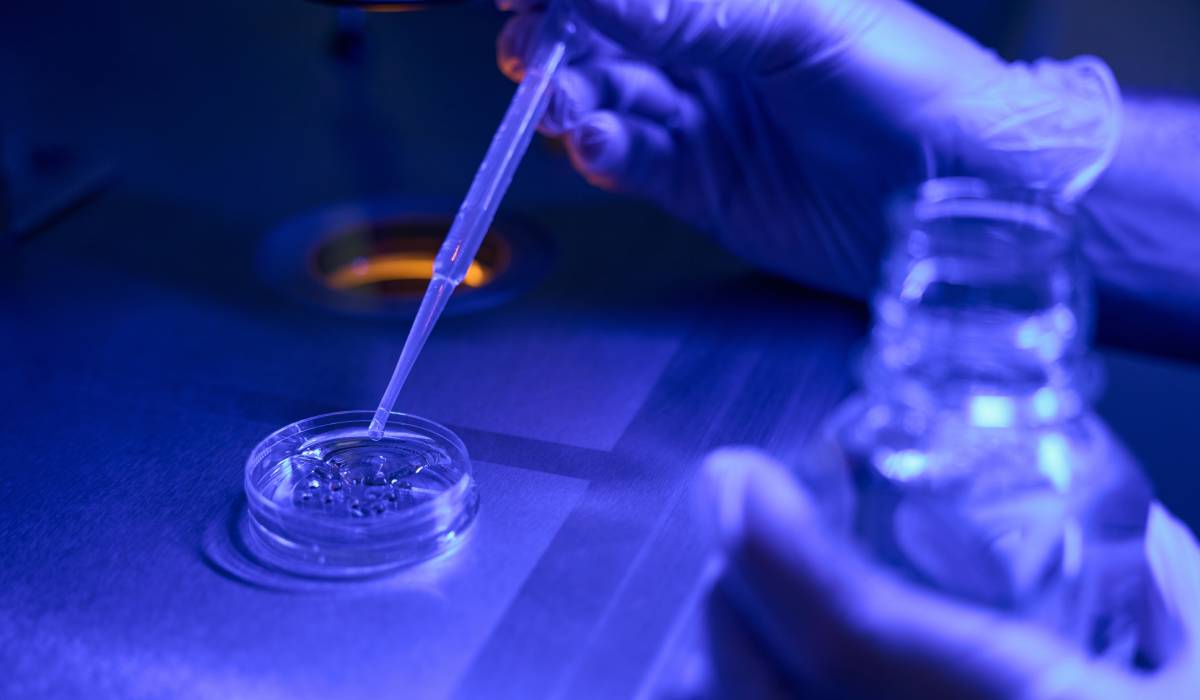
As Romania grapples with the highest stroke mortality rate in Europe, a concerning trend amplified by a 50% surge in global stroke risk over the past two decades, regenerative medicine – specifically, stem cell therapies – is emerging as a potential solution. This innovative approach aims to “rebuild” damaged brain tissue, offering a glimmer of hope for memory and motor function recovery even in cases previously considered irreversible.
According to the World Health Organization (WHO), stroke was the third leading cause of death and disability worldwide in 2021. The lifetime risk of stroke has increased by 50% in the last 20 years, with an estimated 1 in 4 adults experiencing a stroke during their lifetime. The WHO details the global burden of stroke, highlighting the urgent need for improved prevention and treatment strategies. In Romania, the situation is particularly dire. Data from the Romanian Ministry of Health indicates the country has the highest stroke mortality rate in Europe, standing at 21.64%, more than double the European average. This statistic underscores the critical need for advanced medical interventions within the country.
The promise of stem cell therapy lies in its potential to stimulate the brain’s natural repair mechanisms. Although previously limited by the hostile environment created by stroke-induced damage, recent research demonstrates how stem cells can be guided to reconstruct affected circuits, restoring vital functions. Researchers at Sanford Burnham Prebys Medical Discovery Institute (USA) and Duke-National University of Singapore Medical School have published groundbreaking findings in the journal Cell Stem Cell, detailing the successful testing of a human stem cell-derived therapy. Their function reveals that stem cells are not merely “spare parts,” but intelligent biological units capable of maturing and integrating into existing neuronal circuits, effectively reconnecting pathways disrupted by stroke. The team identified how these cells navigate to the damaged area to form new functional connections with the nervous system, resulting in measurable improvements in motor skills and memory retention.
Understanding the Impact of Stroke and the Potential of Stem Cells
A stroke occurs when blood flow to the brain is interrupted, leading to rapid neuron death and the formation of an inflammatory cavity that is difficult for the body to regenerate spontaneously. The extent of damage depends on the location and severity of the blockage, resulting in a wide range of neurological deficits. Traditional stroke treatments focus on restoring blood flow and minimizing further damage, but often fall short of achieving full functional recovery. This is where stem cell therapy offers a novel approach.
Stem cells possess a unique ability to differentiate into various cell types, including neurons, and to release growth factors that promote tissue repair. The challenge has been delivering these cells effectively to the damaged area and ensuring their survival and integration into the existing neural network. The research from Sanford Burnham Prebys and Duke-National University of Singapore addresses this challenge by demonstrating a mechanism by which stem cells actively seek out the injury site and establish functional connections. This targeted approach maximizes the therapeutic potential of stem cell therapy.
Romania’s Unique Challenges and the Growing Interest in Regenerative Medicine
The high stroke mortality rate in Romania is attributed to a combination of factors, including limited access to specialized stroke care, delayed diagnosis, and a higher prevalence of risk factors such as hypertension, and smoking. The country’s healthcare system faces significant challenges in providing timely and effective treatment to stroke patients, contributing to the unfavorable statistics. This context makes the potential of stem cell therapies particularly compelling for Romanian patients.
Dr. Felician Stancioiu at Spitalul de Boli Cardiovasculare Angiomedica has been pioneering stem cell treatments for stroke patients in Romania since 2014. Spitalul Angiomedica details Dr. Stancioiu’s work, which builds upon his experience at Stem Cell Sciences, Inc. (New York) under Professor Niculae Ciobanu. His approach involves stimulating the production and differentiation of stem cells, aiming to integrate these cells into damaged tissues and organs. Over 160 intravenous and intra-articular treatments have been administered, demonstrating a commitment to advancing regenerative medicine within the country.
Cord Blood Banking: A Potential Source of Regenerative Cells
The potential for utilizing stem cells derived from umbilical cord blood and placental tissue is gaining increasing attention. Dr. Bogdan Coltor, a representative from Cord Blood Center, emphasizes the advantages of these cells, stating they possess a superior differentiation capacity and a favorable immunological profile. “In a future where the risk of stroke is continuously increasing, possessing these cells can create the difference between permanent disability and successful recovery,” he notes. Cord blood banking provides a readily available source of “young” stem cells with maximum regenerative potential.
The process of cord blood banking involves collecting and storing the blood remaining in the umbilical cord and placenta after birth. These cells can then be used for transplantation in the event of a future medical need, including stroke, certain cancers, and other genetic disorders. While the initial cost of cord blood banking can be significant, proponents argue that the potential benefits outweigh the expense, particularly in countries with high rates of stroke and other debilitating diseases.
The Future of Stem Cell Therapy for Stroke
While stem cell therapy for stroke is still in its early stages of development, the recent research from Sanford Burnham Prebys and Duke-National University of Singapore represents a significant step forward. The findings provide a deeper understanding of how stem cells interact with the brain and offer a promising pathway for developing more effective treatments. Further research is needed to optimize the delivery methods, refine the cell differentiation protocols, and assess the long-term safety and efficacy of these therapies.
The field of regenerative medicine is rapidly evolving, with ongoing research exploring various types of stem cells and innovative approaches to tissue repair. As our understanding of the brain and its regenerative capacity grows, You can expect to see even more sophisticated therapies emerge, offering hope to millions of stroke survivors worldwide. The potential to restore lost function and improve the quality of life for those affected by stroke is a driving force behind this exciting area of medical innovation.
Key Takeaways
- High Stroke Mortality in Romania: Romania currently has the highest stroke mortality rate in Europe, highlighting the urgent need for improved treatment options.
- Stem Cell Potential: Stem cell therapy shows promise in stimulating brain repair and restoring function after a stroke.
- Targeted Cell Delivery: Recent research demonstrates how stem cells can be guided to damaged brain areas for effective integration.
- Cord Blood Banking: Storing umbilical cord blood offers a readily available source of stem cells for potential future utilize.
- Ongoing Research: Further research is crucial to optimize stem cell therapies and ensure long-term safety and efficacy.
The ongoing research and clinical trials in the field of stem cell therapy offer a beacon of hope for stroke patients and their families. As the science continues to advance, we can anticipate a future where regenerative medicine plays a central role in stroke recovery and rehabilitation. Stay informed about the latest developments in stroke treatment and prevention by consulting with your healthcare provider and following reputable medical sources. Share your thoughts and experiences in the comments below.
Related reading
- How a Routine Dentist Visit Saved Thiago’s Life: A Story of Early Tumor Detection
- J.D. Power 2026 Pharmacy Study: Mail-Order Surpasses Brick-and-Mortar Satisfaction
- Rich Eisen Show: Update on Car Crash Recovery (archynewsy.com)
- Romania’s New Laws for August 2026: Electronic IDs, Pensions, and TollRo (archyde.com)