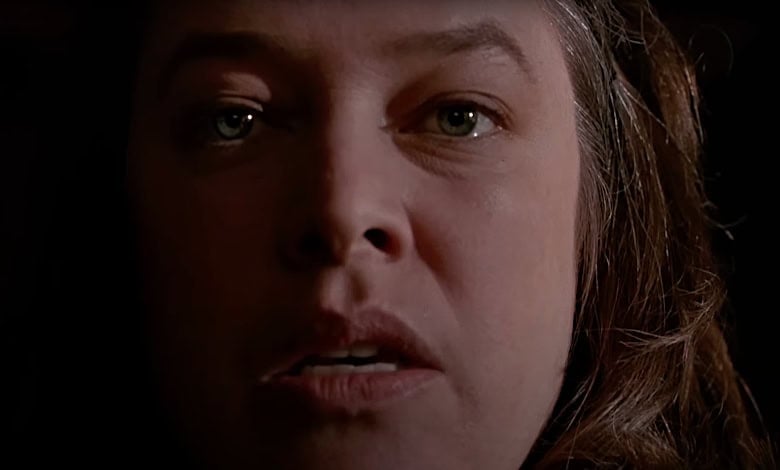
the Enduring Power of “Misery”: Why Rob Reiner‘s Adaptation remains King’s Best Film
Stephen King adaptations are a cinematic staple, boasting titles like “The Shawshank Redemption,” “The Shining,” and “The Green Mile.” However, for many film enthusiasts, Rob Reiner’s “misery” (1990) stands above the rest. It’s not simply a faithful adaptation; it’s a superior cinematic experience to the source material, a testament to smart filmmaking and a truly terrifying performance by Kathy Bates.
A Performance for the Ages
from her first moment on screen, Bates is Annie Wilkes. She embodies the character’s unsettling blend of brute strength, folksy charm, and barely-contained instability. Her escalating outbursts are genuinely frightening, transforming Wilkes into a hypnotic and unforgettable antagonist.
Bates doesn’t just play a villain; she dissects a psyche on the verge of collapse, creating a performance that continues to resonate with audiences today. This is a masterclass in acting, showcasing a nuanced portrayal of obsession and control.
Beyond the Gore: A Psychological Thriller
While King’s novel delves into graphic territory, Reiner and screenwriter William goldman wisely streamlined the narrative. They removed elements King himself termed “gooshy,” like an over-the-top lawnmower murder and an excessive axe scene (replaced with a more impactful sledgehammer).
This wasn’t about sanitizing the story, but about amplifying the psychological tension. “Misery” becomes a chilling chess match between captor and captive, focusing on the mental and emotional toll of isolation and manipulation. The violence, when it occurs, feels earned and expertly crafted.
Why “Misery” Outshines the Book
You might be a devoted King fan, but even you have to admit “Misery” benefits from its cinematic translation. Here’s why:
* Focused Intensity: The film maintains a relentless focus on the core dynamic between Paul Sheldon and Annie Wilkes.
* Strategic Subplots: The introduction of characters like Buster the Sheriff (Richard Farnsworth), his wife (Frances Sternhagen), and Paul’s agent (Lauren Bacall) provides crucial relief and adds layers of realism.
* Enhanced Pacing: The film’s pacing is tighter and more suspenseful than the novel’s, keeping you on the edge of your seat.
* Subtle Nuance: Reiner’s direction emphasizes psychological horror over gratuitous gore, creating a more lasting impact.
“Misery” on Stage: A Different Kind of Terror
The story’s power extends beyond the screen.”Misery” debuted on Broadway in 2015, starring Laurie Metcalf and Bruce Willis. However,I experienced a notably harrowing production at the Miner’s Alley Playhouse in Golden,Colorado,in 2008.
This two-person show, penned by Simon moore and starring Paige Larson and Carjado Lindsey, fully embraced the novel’s most disturbing elements, including the infamous foot-severing scene. It was a truly terrifying night of theater that remains vividly etched in my memory – and my wife’s.
A Commentary on Fandom and the creative Process
“Misery” is more than just a thriller; it’s a sharp commentary on the relationship between authors and their audiences.It explores the dangers of unchecked fandom and the pressures faced by writers. It’s a cautionary tale about the price of success and the vulnerability that comes with creative expression.
Interestingly, it also functions as a darkly comedic romance, highlighting the twisted dynamic between Paul and Annie. Even the film’s final scene, rather than offering a neat resolution, leaves you with a lingering sense of dread.
Ultimately,”misery” reminds us that for anyone in the public eye – Stephen King,Steven spielberg,or even you – everyone you meet carries the potential to become an Annie wilkes. It’s a chilling thoght,and one that solidifies “Misery” as a timeless masterpiece of suspense.
Keep reading