Global markets faced a turbulent session on Thursday, March 12, 2026, as concerns over a prolonged conflict in Ukraine and rising oil prices fueled investor anxiety. European stock exchanges largely closed in negative territory, with Milan’s FTSE MIB index experiencing a modest decline of 0.3%. The ongoing geopolitical uncertainty, coupled with inflationary pressures, continues to weigh heavily on market sentiment. The price of oil, a key indicator of global economic health, saw a resurgence, adding to the concerns of a potential economic slowdown.
The anxieties gripping financial markets stem from a growing belief that the war in Ukraine will not be resolved quickly. This protracted conflict is not only causing immense human suffering but also disrupting global supply chains and exacerbating inflationary pressures. The potential for further escalation, particularly involving Iran, is adding another layer of complexity, and risk. These factors are prompting investors to reassess their portfolios and seek safer havens, leading to a sell-off in equities and a flight to quality assets.
European Markets Under Pressure
Across Europe, major stock indices experienced declines. The pan-European STOXX 600 index closed down, reflecting the widespread risk aversion. Germany’s DAX and France’s CAC 40 also finished the day in the red. Italy’s Piazza Affari was particularly hard hit, with widespread selling across all sectors. According to reports from Borsa Italiana, the Italian stock market experienced significant selling pressure, with all titles falling. The situation underscores the vulnerability of European economies to external shocks and geopolitical instability.
However, there were some exceptions to the downward trend. Leonardo, an Italian aerospace and defense company, bucked the trend, seeing its stock price rise on the back of a new business plan. This positive performance highlights the potential for selective opportunities even in a challenging market environment. The company’s plan, details of which were not immediately available, appears to have reassured investors about its future prospects.
Oil Prices Climb Amid Supply Concerns
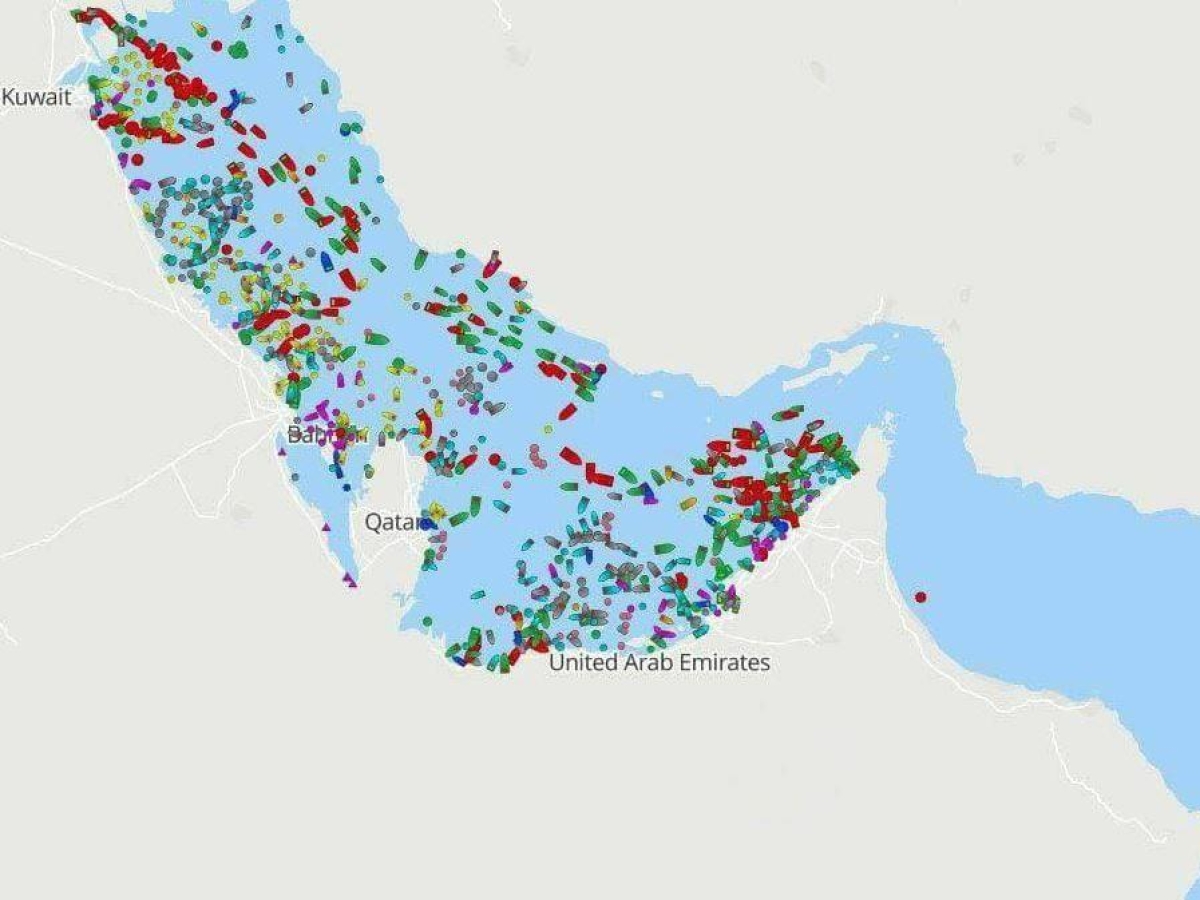
Adding to the market’s woes, oil prices continued their upward trajectory, briefly surpassing $100 a barrel before settling slightly below that mark. The surge in oil prices is driven by concerns about supply disruptions stemming from the conflict in Ukraine and potential further instability in the Middle East. ANSA reported that markets are particularly sensitive to any news regarding Iran, as disruptions to supply from that region could further exacerbate the situation.
The rising cost of oil is a significant concern for global economies, as it contributes to inflationary pressures and erodes consumer purchasing power. Central banks are already grappling with rising inflation, and higher oil prices will likely complicate their efforts to maintain price stability. The potential for a stagflationary environment – a combination of high inflation and slow economic growth – is increasing.
Impact on Inflation and Interest Rates
The combination of rising oil prices and persistent inflationary pressures is forcing central banks to consider further tightening of monetary policy. The European Central Bank (ECB) is facing increasing pressure to raise interest rates to combat inflation, but It’s also wary of stifling economic growth. The delicate balancing act between controlling inflation and supporting economic activity is becoming increasingly challenging. The Federal Reserve in the United States is also expected to continue its path of interest rate hikes, albeit at a potentially slower pace.
The prospect of higher interest rates is weighing on investor sentiment, as it increases the cost of borrowing and reduces corporate profitability. Companies are likely to postpone investment decisions and hiring plans, which could further slow economic growth. The impact of higher interest rates will be particularly acute for highly indebted companies and countries.
Investor Sentiment and Safe-Haven Assets
As risk aversion increases, investors are flocking to safe-haven assets, such as government bonds and the US dollar. The yield on US Treasury bonds has fallen, reflecting increased demand. The US dollar has strengthened against major currencies, as investors seek the safety and liquidity of the world’s reserve currency. Gold, another traditional safe-haven asset, has also seen increased demand, with its price rising in recent days.
The shift towards safe-haven assets is a clear indication of the heightened level of uncertainty and risk in the market. Investors are bracing for further volatility and are seeking to protect their capital. The current environment is likely to persist until there is a clear resolution to the conflict in Ukraine and a more stable outlook for global economic growth.
Piazza Affari’s Performance and Leonardo’s Rise
The Italian stock exchange, Piazza Affari, experienced a particularly challenging day, with the main index falling sharply. Soldionline reported negative indices for the day. However, Leonardo, as previously mentioned, stood out as a positive performer, driven by its new business plan. This divergence highlights the importance of company-specific factors in a volatile market.
Leonardo’s positive performance suggests that companies with strong fundamentals and clear strategic plans can still attract investor interest even in challenging times. The company’s ability to navigate the current environment will be closely watched by investors.
Key Takeaways:
- European stock markets closed largely in negative territory on Thursday, March 12, 2026, driven by geopolitical concerns and rising oil prices.
- The ongoing conflict in Ukraine is fueling fears of a prolonged period of economic uncertainty and inflationary pressures.
- Oil prices have surged, adding to the concerns of a potential economic slowdown.
- Investors are flocking to safe-haven assets, such as government bonds and the US dollar.
- Leonardo bucked the trend on Piazza Affari, benefiting from a positive reception to its new business plan.
Looking ahead, market participants will be closely monitoring developments in Ukraine, oil price movements, and central bank policy decisions. The next key event will be the European Central Bank’s monetary policy meeting on [Date to be determined – check ECB website for schedule], where policymakers are expected to provide further guidance on their plans to address inflation. Stay informed and consider consulting with a financial advisor to navigate these uncertain times. We encourage you to share your thoughts and insights in the comments below.
Worth a look