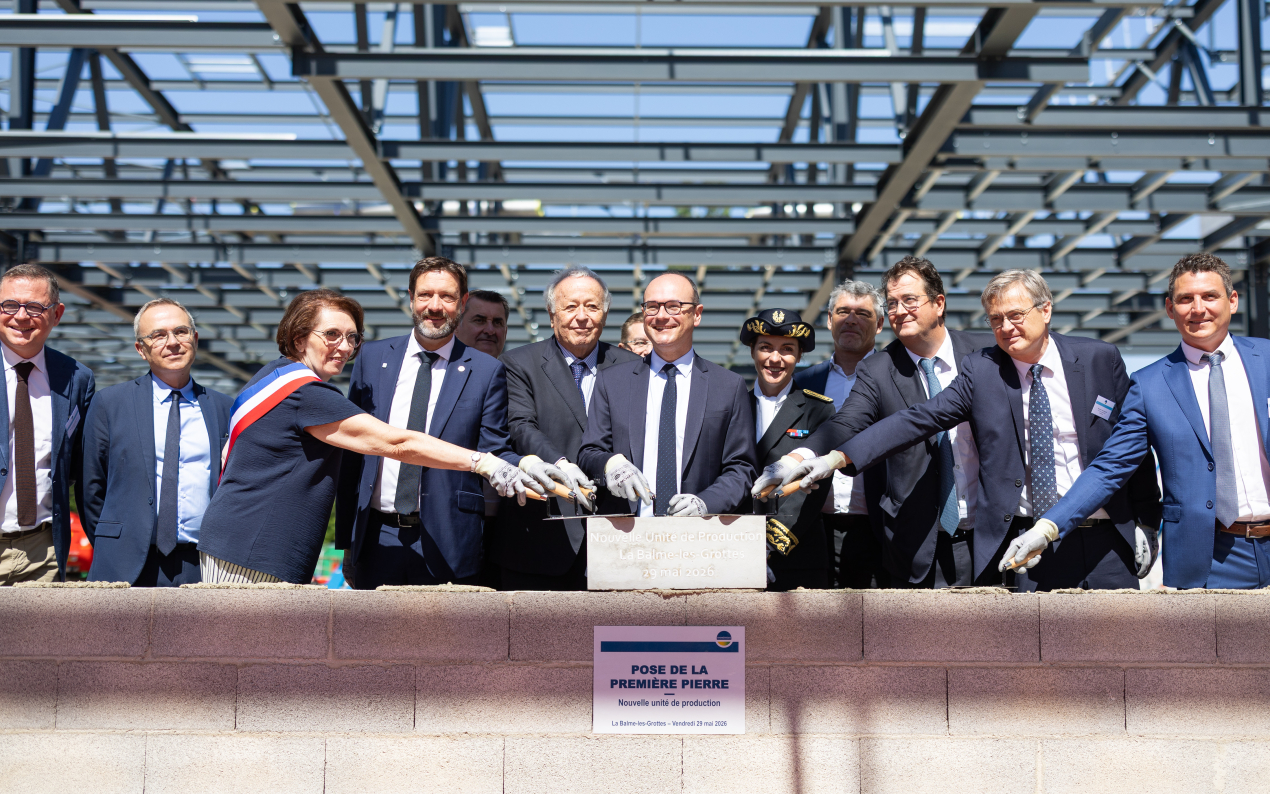
French biotechnology firm bioMérieux is expanding its industrial footprint in the Isère region with the construction of a new facility dedicated to molecular diagnostics. This development marks a significant shift in the company’s manufacturing strategy, aiming to consolidate its European production capabilities for molecular testing kits and equipment within its home base in France. The project represents a long-term capital investment intended to bolster the company’s supply chain resilience and meet the rising global demand for rapid diagnostic solutions, according to official company disclosures.
The expansion is not a localized or isolated project but functions as a cornerstone of a broader, multi-year strategy to reinforce the company’s existing industrial sites. By focusing on molecular diagnostics—a field critical for identifying infectious diseases and antibiotic resistance—bioMérieux is positioning its Isère operations to handle increased production volumes. This move follows a period of heightened market pressure on diagnostic manufacturers to shorten delivery times and localize critical components to mitigate international logistics disruptions, as noted in the firm’s annual financial reporting.
Strategic Importance of the Isère Facility
The decision to expand within the Isère region leverages the existing infrastructure and specialized workforce already established in the area. BioMérieux has historically maintained a strong presence in the Auvergne-Rhône-Alpes region, which serves as a hub for French biotech innovation. The new molecular diagnostic center will integrate advanced automation technologies, which the company maintains is essential for maintaining high-quality standards while scaling output. This facility is expected to serve not only the French domestic market but also broader European health sectors that rely on the firm’s proprietary PCR and syndromic testing platforms.

According to data from the French National Institute of Statistics and Economic Studies (INSEE), the region consistently ranks as one of the most productive zones for the pharmaceutical and chemical sectors in France. By keeping high-tech manufacturing close to its research and development headquarters, bioMérieux aims to shorten the feedback loop between clinical testing requirements and product manufacturing adjustments. This proximity is a key factor in the company’s ability to respond to emerging public health threats.
Integration into Global Diagnostic Chains
Molecular diagnostics represent a high-growth segment for the company, particularly in the wake of global health crises that underscored the necessity for robust, scalable testing infrastructure. The new facility will specifically target the production of consumables and reagents, which are the recurring revenue drivers for the company’s diagnostic platforms. By centralizing these operations, bioMérieux anticipates a reduction in the carbon footprint associated with inter-continental shipping of fragile diagnostic reagents, aligning with the company’s stated environmental, social, and governance (ESG) goals.

The investment also addresses concerns regarding the sovereignty of medical supply chains in Europe. EU health regulators have increasingly pushed for the internal production of essential medical devices and diagnostic reagents to reduce dependence on non-European suppliers. By expanding its Isère capacity, bioMérieux is effectively responding to these policy signals, ensuring that critical diagnostic tools remain available during periods of geopolitical or economic volatility.
Project Timeline and Future Milestones
While the company has confirmed the strategic intent and the site location, specific operational milestones—such as the exact date of project completion or the total number of new jobs created—remain subject to ongoing industrial planning and regulatory approvals. The firm typically provides updates on such capital projects through its quarterly financial results and investor presentations. Stakeholders and industry analysts are expected to monitor the next set of scheduled financial disclosures for updates on the construction timeline and projected capital expenditure figures.
As the project progresses, bioMérieux will continue to coordinate with local authorities in the Isère region to manage the infrastructure requirements associated with the facility’s expansion. The company has not signaled any plans to divest from its other international manufacturing sites, suggesting that this new facility will function as a complementary hub rather than a replacement for existing global operations. Readers interested in tracking the development of this site can find official updates via the bioMérieux investor relations portal, which serves as the primary repository for validated project information.
We invite our readers to share their thoughts on the shifting landscape of medical manufacturing in Europe. How do you view the balance between localizing production and maintaining global supply chain efficiency? Please feel free to comment below or share this report with your professional networks.
Related reading