
A growing number of patients are reporting severe, debilitating physical reactions after discontinuing long-term topical corticosteroid treatment, a phenomenon increasingly identified in dermatological discourse as topical steroid withdrawal (TSW). The condition, characterized by intense skin burning, redness, and systemic symptoms, often occurs in patients who have used prescribed steroid ointments for chronic inflammatory conditions for years or even decades. While corticosteroids remain a standard, FDA-approved treatment for conditions such as atopic dermatitis, medical professionals are now debating the long-term implications of dependency and the complex process of cessation.
Understanding Topical Steroid Withdrawal
Topical steroid withdrawal, sometimes referred to as “Red Skin Syndrome,” is a clinical scenario where the skin exhibits an adverse reaction following the cessation of corticosteroid application. According to the National Eczema Association, TSW is not a formal medical diagnosis in all jurisdictions, but it is a recognized clinical concern that manifests as a distinct set of symptoms. These include intense pruritus (itching), skin thinning, and a rapid, widespread flare-up that often appears more severe than the original condition the medication was intended to treat.
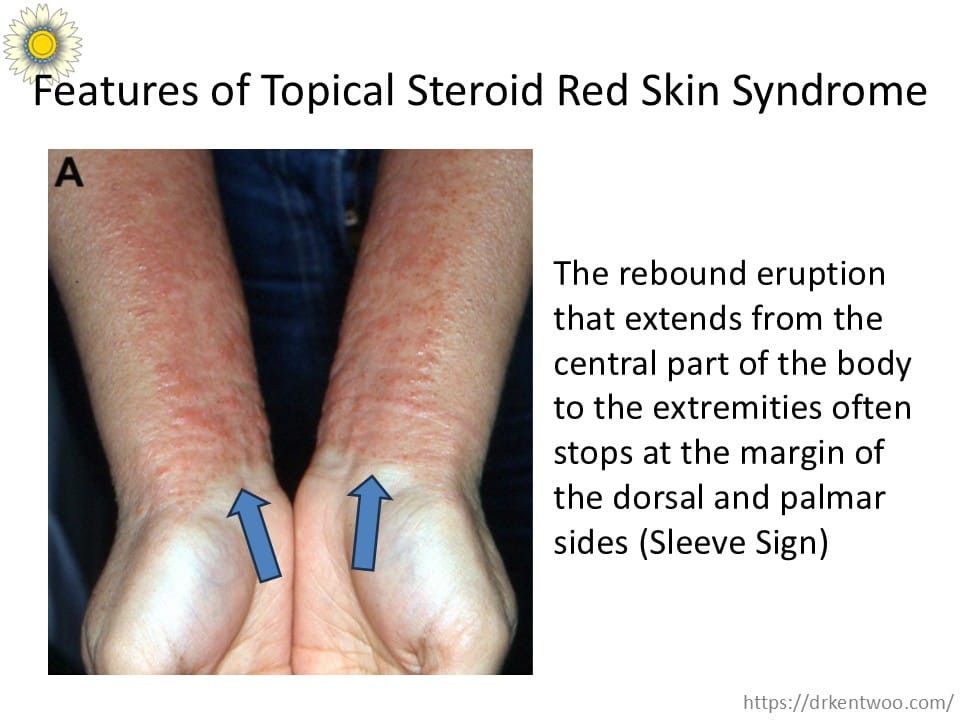
The biological mechanism involves the body’s physiological adaptation to exogenous steroids. When applied consistently over long periods, these medications can suppress the local immune response and alter the skin’s natural barrier function. When the medication is removed, the skin may undergo a period of intense inflammation as the body attempts to recalibrate its immune pathways. Research published by the National Institutes of Health (NIH) suggests that long-term use can lead to tachyphylaxis, a state where the skin no longer responds to the treatment, prompting patients to seek higher potencies or more frequent applications, which inadvertently deepens the cycle of dependency.
Clinical Challenges and Diagnostic Uncertainty
The primary challenge for clinicians is distinguishing between an underlying skin condition—such as refractory eczema—and a withdrawal reaction. Because the symptoms of TSW often mimic severe eczema, patients may be incorrectly advised to resume or increase their steroid usage, which provides temporary relief but ultimately reinforces the withdrawal cycle. The American Academy of Dermatology emphasizes that treatment plans should be personalized, often involving a gradual tapering process under strict medical supervision rather than abrupt cessation.
For patients who have used these ointments for over 30 years, the transition away from corticosteroids requires a multidisciplinary approach. This may involve non-steroidal systemic medications, phototherapy, or specialized moisturizing regimens to manage the integrity of the skin barrier. Medical experts stress that patients should not discontinue prescribed treatments independently, as the risk of systemic inflammation and secondary skin infections remains significant during the withdrawal period.
Patient Experiences and Global Perspectives
The narratives of patients struggling with long-term steroid use frequently highlight a common theme: the initial efficacy of the treatment followed by a slow, progressive decline in skin health. In many cases, patients describe a “rebound effect” that occurs within days or weeks of stopping the medication. These reports have gained international attention, leading to increased advocacy for better labeling and patient education regarding the risks of long-term, unsupervised topical steroid application.
While clinical trials are ongoing to better define the diagnostic criteria for TSW, the current consensus among dermatologists is the importance of “steroid stewardship.” This involves using the lowest effective potency for the shortest duration possible. Patients who believe they are experiencing withdrawal are encouraged to seek consultation with a board-certified dermatologist who is familiar with the nuances of steroid cessation protocols.
Managing the Transition
If you or a family member are considering stopping long-term topical treatments, the following steps are recommended by professional dermatological bodies:

- Consult a specialist to determine if current symptoms are related to the original condition or a potential withdrawal reaction.
- Keep a detailed log of medication usage, including the duration of use and the specific potency of the ointments applied.
- Discuss a medically supervised tapering plan rather than stopping the medication suddenly.
- Explore non-steroidal alternatives, such as calcineurin inhibitors or biologics, if appropriate for your specific diagnosis.
For those seeking further information, the American Academy of Dermatology provides comprehensive guides on the safe use of topical corticosteroids. As medical understanding of TSW continues to evolve, the focus remains on balancing the effective management of chronic skin diseases with the long-term safety of the patient.
The medical community anticipates further updates on clinical guidelines as more longitudinal studies into steroid dependency are completed. Patients are urged to remain in contact with their primary healthcare providers to track progress and report any new or worsening symptoms during the transition period. We encourage readers to share their experiences in the comments section below to foster a broader discussion on patient safety and dermatological care.
Keep reading