
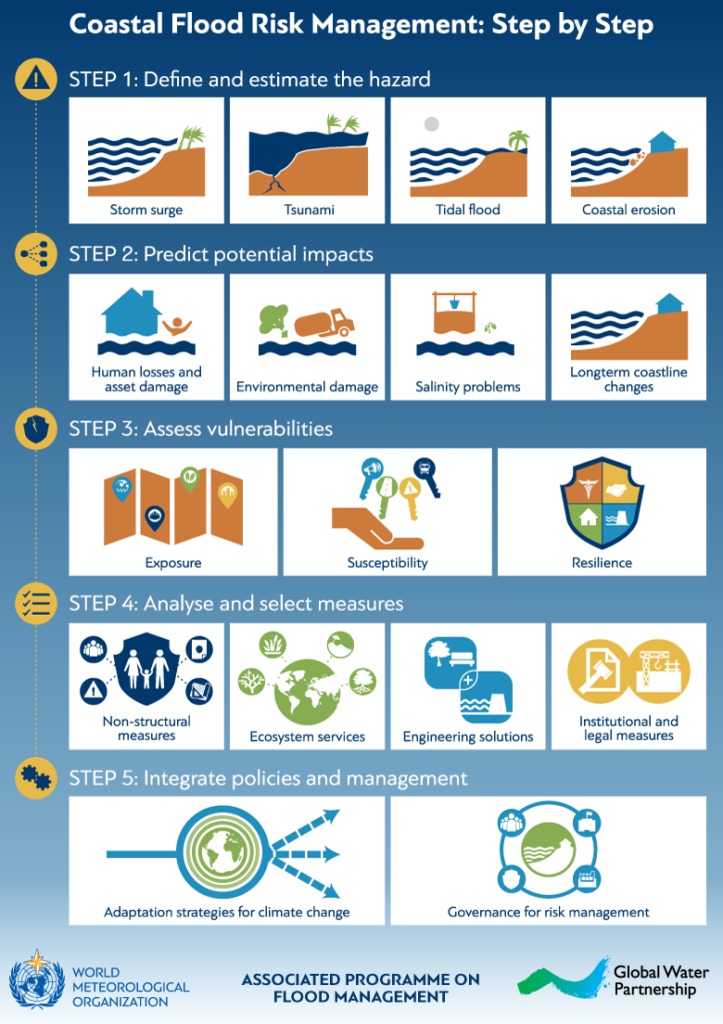
Coastal safety remains a top priority for northern Germany as officials in Lower Saxony and Bremen launch a coordinated effort to update their regional flood protection strategies. As climate patterns shift and sea levels pose ongoing challenges, the state governments are currently conducting a comprehensive assessment of their primary dike lines and essential coastal infrastructure to identify potential vulnerabilities and prioritize future construction projects.
This initiative centers on the development of a new Generalplan (General Plan), which serves as the fundamental planning instrument for coastal defense. By systematically evaluating the condition of existing barriers, authorities aim to ensure that residents living behind the dikes remain protected against storm surges and rising water levels. The collaboration between Lower Saxony and Bremen underscores the necessity of a cross-border approach to managing the complex North Sea coastline, where the state of Bremen forms two distinct enclaves within the larger territory of Lower Saxony.
Infrastructure and Coastal Resilience
The current assessment is part of a broader commitment to maintaining structural integrity across the region. Lower Saxony, which covers a total land area of approximately 47,614 square kilometers, is heavily invested in modernizing its public infrastructure. According to the official portal of the Lower Saxony state government, the region has launched a significant infrastructure offensive for 2026, featuring a historic investment volume of approximately 170 million euros aimed at addressing maintenance backlogs and improving mobility, which includes the construction and repair of bridges, and roadways.
While the infrastructure offensive focuses on transport, the coastal protection plan specifically targets the defense systems that shield the state’s population of over 8 million people. These efforts are essential to mitigating the risks associated with the North Sea, which borders the state to the north. Officials are utilizing the data gathered during this current audit to determine where resources should be allocated to reinforce dikes, sluices, and other critical coastal barriers.
A Collaborative Strategy
The cooperation between Lower Saxony and Bremen is a practical necessity given their geographical arrangement. Because Bremen and its seaport, Bremerhaven, are geographically situated within Lower Saxony, a fragmented approach to coastal defense would be ineffective. By harmonizing their Generalplan, the two states ensure that flood protection measures are consistent across regional borders, providing a unified safety net for the coastal communities that rely on these defenses for their daily protection.

The process of updating the Generalplan involves rigorous technical surveys. Engineers and planners are currently working to document the state of the primary dikes. This documentation is the prerequisite for any future construction measures that may be deemed necessary to address gaps in the current protection system. For residents and businesses in these low-lying areas, the status of these dikes is a critical factor in long-term regional planning and safety.
Broader Safety and Governance
The state government’s focus on long-term stability extends beyond coastal defense. In addition to the infrastructure investment, the administration is implementing new legislative measures, such as the Tariftreue- und Vergabegesetz, which requires companies receiving public contracts for construction or services to pay wages based on collective bargaining agreements. This reflects a broader government strategy of ensuring that public investments contribute to both physical safety and socioeconomic stability.

The state’s Notfall-Monitor (Emergency Monitor) remains the primary digital resource for citizens to stay informed about current warnings and events. As the coastal protection assessment progresses, residents are encouraged to monitor official government channels for updates regarding flood risks and regional safety developments. The integration of technology and data-driven planning is intended to ensure that Lower Saxony remains resilient in the face of environmental and logistical challenges.
Key Takeaways on Coastal Protection
- Joint Planning: Lower Saxony and Bremen are integrating their coastal defense strategies to create a unified, effective barrier system against North Sea flooding.
- Generalplan Audits: The current survey of primary dike lines is the essential first step in determining where future structural reinforcements are needed.
- Infrastructure Context: The coastal initiative aligns with the state’s 2026 record-breaking infrastructure investment program of 170 million euros, which seeks to modernize state assets.
- Citizen Resources: For real-time updates on regional emergencies and safety, the official Lower Saxony Notfall-Monitor serves as the centralized source for residents.
As the assessment phase concludes, the next steps for the state governments will involve the formalization of the updated Generalplan, which will outline the specific engineering projects and timelines for coastal construction. These plans are expected to provide a clear roadmap for flood protection in the coming years. We will continue to track these developments as more information becomes available. If you have questions regarding the coastal protection measures in your area, or if you are interested in how these infrastructure projects impact the region, please share your thoughts or questions in the comments section below.
