
SANTIAGO DE CALI, Colombia — The administration in Santiago de Cali is signaling a major push to bolster the city’s healthcare infrastructure, focusing on two critical pillars: the professional development of medical personnel and the implementation of more rigorous regulatory oversight.
In a move aimed at stabilizing and improving the quality of local medical services, officials are calling for a concentrated effort to upgrade the training provided to the healthcare workforce. This initiative, centered on what administrators term “human talent,” seeks to ensure that frontline medical, technical and administrative staff are equipped to meet the evolving demands of the region’s public health landscape.
The emphasis on “human talent” reflects a growing recognition within the Colombian health sector that the quality of patient care is inextricably linked to the continuous education and specialized training of the staff operating within the system. By addressing skills gaps and professional standards, the city aims to create a more resilient and capable health network.
Strengthening the Healthcare Workforce
The core of the current administrative focus involves a comprehensive approach to medical training. Rather than merely filling vacancies, the call from the Alcaldía de Santiago de Cali suggests a shift toward qualitative improvements in how healthcare professionals are prepared for their roles.
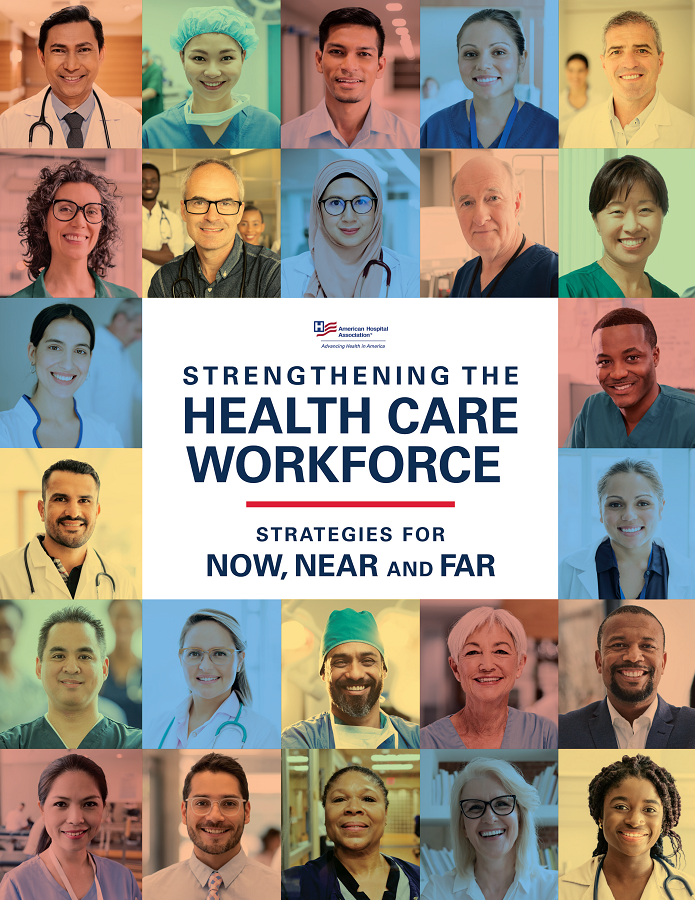
This focus on professionalization is expected to target several key areas:
- Specialized Skill Acquisition: Ensuring that nursing, technical, and medical staff are trained in the latest clinical protocols and technologies.
- Administrative Competency: Improving the training of non-clinical staff to ensure smoother patient transitions and more efficient resource management.
- Standardization of Care: Creating a more uniform level of service across various municipal health facilities.
By prioritizing the development of these personnel, the administration intends to mitigate the risks associated with staffing shortages and ensure that the city’s healthcare delivery remains stable under pressure.
The Necessity of Tightened Controls
Alongside the push for improved training, there is a simultaneous call for “tightened controls” within the health sector. This move toward increased oversight is designed to ensure accountability and compliance with established medical and administrative standards.
In a complex healthcare ecosystem, enhanced regulatory mechanisms serve as a safeguard for both patients and the integrity of the institutions themselves. These controls are expected to focus on monitoring the implementation of training programs and verifying that the quality of care meets the high standards mandated by the city’s health authorities.
Increased oversight is often a prerequisite for building public trust in health systems. By implementing stricter monitoring of both clinical outcomes and administrative processes, the administration aims to identify inefficiencies and prevent the mismanagement of critical medical resources.
Key Takeaways: Cali Health Sector Reform
As the administration moves forward with these initiatives, the following points summarize the current strategic direction for health services in Santiago de Cali:

- Workforce Focus: A primary emphasis is being placed on the “human talent” or the professional workforce within the medical sector.
- Training Mandates: There is an urgent call to improve the training and professional development of all healthcare personnel.
- Regulatory Oversight: The administration is seeking to implement stricter controls to ensure quality assurance and accountability.
- Systemic Resilience: These measures are intended to strengthen the overall reliability of the city’s healthcare delivery model.
The implementation of these training and oversight measures is expected to be monitored closely by local health authorities as the city works to refine its medical service standards. Further details regarding specific training programs and the exact mechanisms of the new regulatory controls are expected to be released in upcoming administrative briefings.
What are your thoughts on the importance of medical training and oversight in public health? Share your perspective in the comments below and share this story with your network.
Keep reading