:watermark(https://f.pmo.ee//logos/4132/d583334e07b643b158b745b655f05032.png,-2p,-2p,0,18,none):format(webp)/nginx/o/2026/05/13/17635226t1h03d0.jpg)
Latvia is moving to significantly deepen its defense cooperation with Ukraine, a strategic shift aimed at bolstering mutual security and enhancing the resilience of NATO’s eastern flank. President Edgars Rinkēvičs has emphasized that the partnership between Riga and Kyiv must evolve beyond immediate assistance to a more structured, long-term defense collaboration.
This push for closer ties comes as Baltic leaders express growing urgency regarding the security architecture of Eastern Europe. During recent high-level engagements, including discussions with Ukrainian President Volodymyr Zelenskyy, Rinkēvičs highlighted Latvia’s commitment to supporting Ukraine’s defense capabilities, viewing the stability of Ukraine as intrinsically linked to the security of the Baltic states.
The initiative is part of a broader regional strategy coordinated through the Bucharest Nine (B9), a group of NATO allies focused on the alliance’s eastern border. The consensus among these nations is that the current geopolitical climate demands a proactive increase in military capabilities and deterrence measures to prevent further aggression in the region.
As the conflict in Ukraine continues to reshape European security, Latvia is positioning itself not only as a provider of aid but as a strategic partner in defense innovation and military readiness. This evolution reflects a recognition that the defense of the “eastern flank” is no longer a theoretical exercise but a practical necessity requiring immediate operational upgrades.
Strengthening the Latvia-Ukraine Strategic Bond
The drive to deepen Latvia Ukraine defense cooperation is centered on the exchange of military expertise and the synchronization of defense strategies. President Edgars Rinkēvičs has underscored that Latvia is interested in exploring new avenues of collaboration that go beyond the delivery of hardware, focusing instead on integrated defense planning and capacity building.
In discussions with President Volodymyr Zelenskyy, the focus has remained on ensuring that Ukraine has the necessary tools to defend its sovereignty while simultaneously building a defense infrastructure that can eventually integrate with Western standards. For Latvia, this cooperation serves a dual purpose: it assists Ukraine in its immediate struggle and provides the Baltic states with critical insights into modern, high-intensity warfare.
Latvia has consistently been among the most vocal supporters of Ukraine within the European Union, and NATO. The government has committed significant resources to military aid, often measured as a percentage of its gross domestic product, to ensure that Kyiv’s forces remain equipped and capable. This commitment is viewed as a strategic investment in the security of the entire region, as a capable Ukraine acts as a primary bulwark against further expansionism.
The B9 Summit and the Urgency of Deterrence
The push for enhanced security is heavily tied to the activities of the Bucharest Nine (B9). The B9 consists of Bulgaria, Estonia, Hungary, Latvia, Poland, Romania, Slovakia, Slovenia, and the Czech Republic. These nations, which share a border or proximity to Russia, argue that the deterrence posture of NATO must be strengthened immediately rather than over a period of several years.

During B9 deliberations, Latvian representatives have argued that the window for establishing a credible and impenetrable defense line is now. The argument is that waiting for long-term bureaucratic cycles to complete could leave gaps in the alliance’s readiness. The B9’s primary objective is to ensure that NATO’s eastern flank is not merely a “tripwire” but a robust defensive wall capable of deterring any potential aggression through presence and capability.
This urgency is reflected in the call for increased military mobility and the deployment of more permanent assets within the B9 countries. The goal is to transition from a posture of “rapid reinforcement” to one of “forward deterrence,” where the necessary forces and equipment are already stationed in the region to discourage conflict before it begins.
NATO’s Eastern Flank and the Security Gap
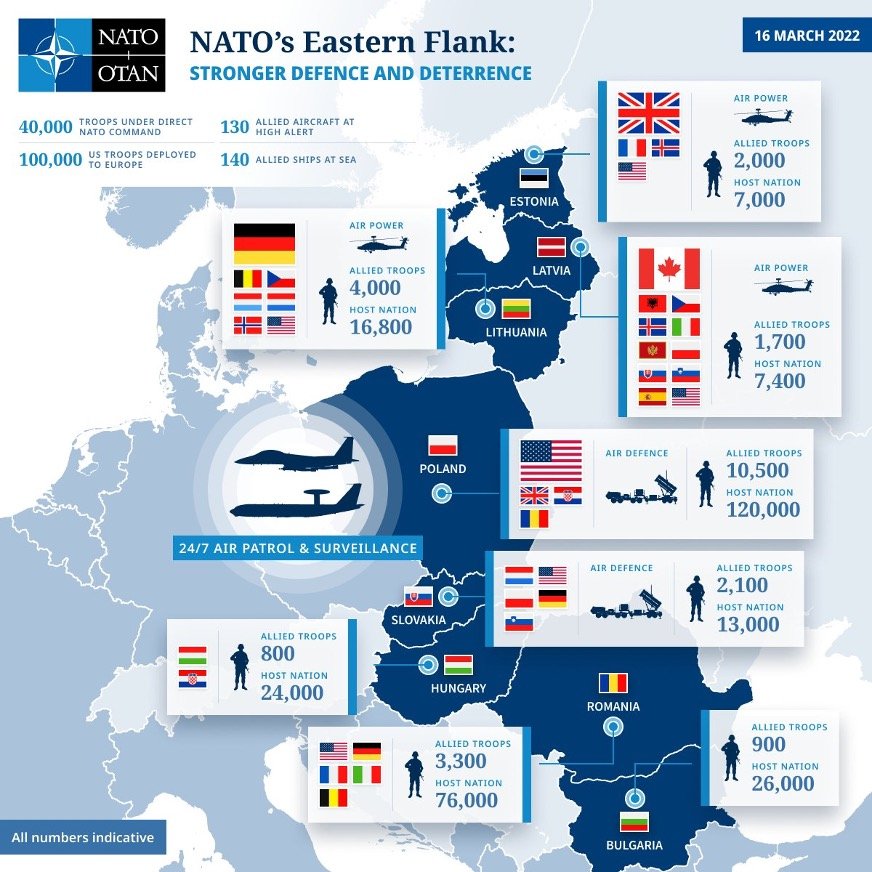
The broader context of these efforts is the ongoing evolution of NATO’s deterrence and defense posture. The alliance has been working to enhance its “Enhanced Forward Presence” (eFP) and integrate new members, but leaders in the Baltics argue that the pace of these upgrades must accelerate.
A critical component of this strategy is the “Eastern Sentry” approach, where Allies contribute additional capabilities and assets to ensure the eastern flank is fortified. For Latvia, this means not only receiving NATO support but also increasing its own domestic defense spending and infrastructure to host allied forces more effectively.
The security gap that Latvia and its B9 partners seek to close is the time between the detection of a threat and the full deployment of NATO’s collective response. By deepening cooperation with Ukraine and strengthening the B9’s internal ties, Latvia aims to reduce this gap, ensuring that the response to any provocation is immediate and overwhelming.
What This Means for Regional Stability
The shift toward deeper defense ties between Latvia and Ukraine has several implications for the wider European security landscape:
- Operational Learning: Latvia gains real-time intelligence and operational experience from the conflict in Ukraine, which is then used to refine its own national defense plans.
- Political Signaling: The alignment of the B9 sends a clear signal to Moscow that the eastern flank is unified and committed to a strategy of active deterrence.
- Infrastructure Development: The need for rapid military movement is driving investments in “military mobility”—the improvement of roads, bridges, and rail links across the Baltics and Poland.
- Ukraine’s Path to Integration: By aligning defense standards now, Latvia and other B9 members are effectively preparing Ukraine for eventual integration into Western security structures.
The focus is no longer just on “supporting” a partner, but on building a shared security ecosystem. This ecosystem recognizes that the defense of Riga, Tallinn, and Warsaw is inextricably linked to the defense of Kyiv.
Key Takeaways for Global Security
- Immediate Action: Latvia and B9 allies are advocating for the immediate strengthening of NATO’s eastern flank, rejecting long-term timelines in favor of urgent deployment.
- Strategic Partnership: The relationship between Latvia and Ukraine is evolving into a deep defense partnership focused on long-term capacity and mutual security.
- Deterrence Focus: The primary goal is to shift from a “tripwire” defense to a “forward deterrence” model to prevent aggression.
- B9 Coordination: The Bucharest Nine remains the primary vehicle for coordinating the security concerns of NATO’s most exposed members.
The next critical checkpoint for this security trajectory will be the upcoming NATO ministerial meetings and subsequent B9 summits, where the specific assets and timelines for the “forward deterrence” model are expected to be finalized. These meetings will determine the scale of additional troop deployments and the nature of the long-term defense agreements between Latvia and Ukraine.
We invite our readers to share their perspectives on the evolving security architecture of Eastern Europe in the comments below. How should NATO balance immediate deterrence with long-term diplomatic goals?