
Geneva, Switzerland — In anticipation of the upcoming G7 summit in Evian, France, the canton of Geneva has announced sweeping security measures that will significantly restrict border crossings, tighten transport protocols, and encourage remote work for residents. The measures, set to take effect from June 12 to June 18, 2026, represent the latest in a series of precautions following the Swiss Federal Council’s decision to reinstate temporary border controls with France.
With security as its top priority, Geneva’s government has limited cross-border access to just seven official points of entry. These restrictions, combined with enhanced security checks and transport disruptions, aim to ensure the smooth operation of the summit while protecting local residents and visitors alike.
Here’s what you need to know about the new measures, their impact on daily life, and how they fit into the broader security landscape ahead of the G7 gathering.
Key Takeaways
- Restricted crossings: Only seven border points will remain open between June 12–18, 2026.
- Transport disruptions: Some transfrontier public transport lines may be reduced or suspended.
- Priority access: Essential workers will receive fast-track passes (“macarons”) for smoother passage.
- Remote work encouraged: Authorities recommend telecommuting to ease congestion.
- Security focus: Measures aim to prevent disruptions while maintaining essential services.
- No access restrictions: Officials emphasize that no one will be blocked at the border.
Geneva Implements Strict Border Controls Ahead of G7 Summit: What the New Measures Mean for Residents and Commuters
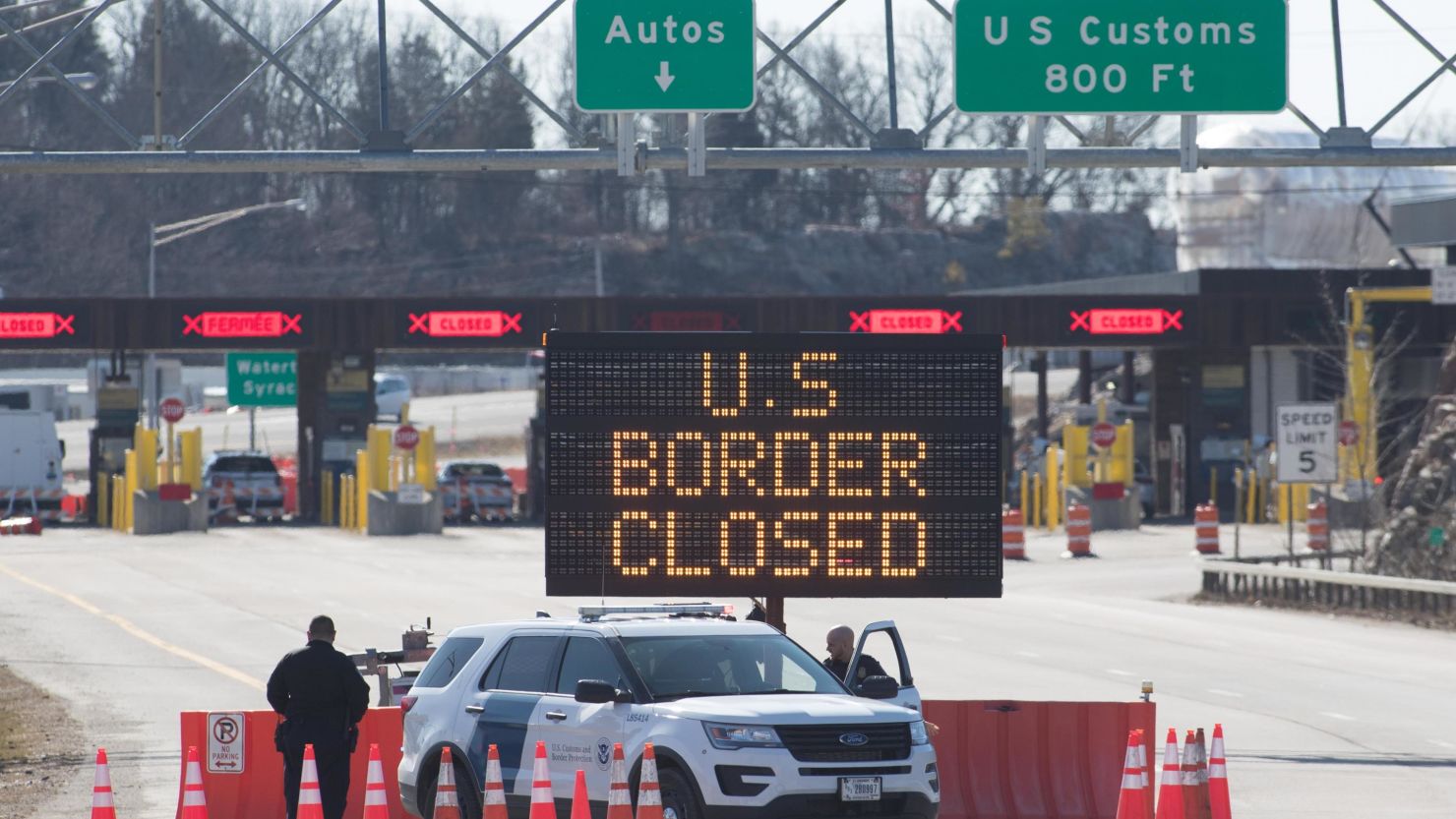
Geneva’s government has unveiled its security plan for the G7 summit in Evian, France, marking one of the most significant disruptions to daily life in recent memory. The measures, announced by the Canton’s Council of State on May 13, 2026, will see most of Geneva’s smaller border crossings closed, with only seven official points of entry remaining open from June 12 to June 18.
The decision follows the Swiss Federal Council’s announcement last week to reinstate temporary internal border controls with France, a move designed to enhance security during the high-profile international gathering. Geneva’s approach builds on this federal framework while adding localized measures tailored to the canton’s unique situation as a global hub.
According to official statements from the Canton of Geneva, the seven remaining open border crossings will be:
- Anières
- Mollesulaz
- Thônex-Vallard
- Bardonnex
- Perly
- Meyrin
- Ferney-Voltaire
the international airport in Geneva and the train stations at Cornavin and Annemasse will remain operational, though with enhanced security measures in place.
Vital Note: All other smaller border crossings, including popular cycling routes along the “voie verte,” will be closed during this period. Pedestrian and cyclist access will be prohibited except at the designated seven points.
Enhanced Security: What to Expect at Border Crossings
Geneva’s authorities have emphasized that these measures are not designed to block people at the border but to create a more controlled environment for security screening. The Canton’s President, Thierry Apothéloz, stated during a press conference that “the state of preparation is optimal” and that the government is acting “with determination to protect the population.”
“It is not our intention to block people at the borders. What we want is to ensure that everyone who needs to cross can do so smoothly while maintaining the highest level of security.”
— Carole-Anne Kast, Geneva’s State Councillor for Security
To facilitate the movement of essential workers—including healthcare professionals, emergency services personnel, and critical infrastructure staff—a priority access system using “macarons” (special passes) will be implemented. These passes will allow designated individuals to bypass potential delays at border checkpoints.
Security personnel will conduct additional checks on trains and their immediate surroundings, particularly at major transit hubs. While the exact details of these checks have not been fully disclosed, officials have confirmed that they will include both visual inspections and, where necessary, more thorough screening procedures.
Transport Changes: How Will You Get Around?
One of the most noticeable impacts of these security measures will be on public transportation. The Geneva Public Transport Company (TPG) has indicated that some transfrontier lines may experience reductions in service or temporary suspensions. While exact routes have not been specified, officials have advised commuters to plan ahead and consider alternative transportation options.
For those relying on road travel, the closure of smaller border crossings means that only the seven designated points will be accessible. Motorists are advised to check for real-time updates on traffic and border wait times, as delays are expected to be significant during peak periods.
Cyclists and pedestrians who regularly use the “voie verte” (Green Route) along the Franco-Swiss border will face particular challenges, as this popular route will be closed entirely during the summit period. Authorities have not yet announced alternative cycling routes, though local advocacy groups are expected to provide guidance in the coming days.
Telecommuting Encouraged: How the Workforce Will Adapt
In a move likely to affect thousands of cross-border workers, Geneva’s government has strongly recommended that employers encourage telecommuting wherever possible. The Council of State has explicitly advised businesses to promote remote work to reduce congestion at border crossings and public transport hubs.
While this recommendation is not legally binding, it carries significant weight given the potential for disruptions. Many Geneva-based companies already have established remote work policies, but the current situation may see an unprecedented surge in telecommuting as workers seek to avoid delays.
For those who must commute, the priority “macaron” system will be crucial. Essential workers should contact their employers to determine eligibility for these passes, as distribution will be coordinated through workplace channels.
Why These Measures? Understanding the Security Landscape
The G7 summit in Evian represents one of the most significant international gatherings to be held in the region in recent years. With global leaders attending, security concerns naturally take precedence. The measures announced by Geneva align with similar precautions being taken in neighboring France, where Evian-les-Bains is hosting the summit.
France has already implemented its own security protocols, including increased police presence, restricted access zones, and enhanced surveillance around the summit venue. The coordinated approach between Switzerland and France reflects the close cooperation required for such high-level international events.
While the exact security threats have not been publicly detailed, recent global events have demonstrated the potential for protests, demonstrations, and other disruptions at major international gatherings. Geneva’s decision to limit border crossings and enhance screening procedures is designed to mitigate these risks while maintaining essential services.
How Will This Affect You? Practical Considerations
For Geneva residents and cross-border commuters, the coming weeks will require careful planning. Here are some key practical considerations:
- Border crossings: Only seven points will be open. Plan your route accordingly and allow extra time for security checks.
- Public transport: Some TPG lines may be reduced or suspended. Check the latest updates from TPG’s official website.
- Cycling: The “voie verte” will be closed. Alternative routes will need to be identified.
- Work arrangements: Discuss telecommuting options with your employer if you haven’t already.
- Essential workers: Apply for a “macaron” pass if you qualify for priority access.
For visitors to Geneva during this period, normal tourist activities are expected to continue, though some attractions near the border may experience temporary closures or altered access points. Officials have not indicated any restrictions on tourism, but travelers are advised to monitor local news for updates.
Looking Ahead: The Road to June 12
The next major checkpoint will be the official activation of these security measures on June 12, 2026. In the meantime, Geneva’s authorities will continue to refine their approach based on the latest intelligence and operational needs.
While the focus remains on security, officials have also acknowledged the need to minimize disruption to daily life. The Council of State has indicated that it will provide regular updates in the coming weeks, including detailed information about the “macaron” priority access system and any adjustments to transport services.
The G7 summit itself is scheduled for June 15–17, with security measures remaining in place through June 18 to ensure a smooth transition period. After this date, normal border crossing procedures are expected to resume, though some adjustments may be made based on the summit’s outcome.
Frequently Asked Questions
1. Will I be allowed to cross the border if I don’t have a “macaron” pass?
Yes. While essential workers with priority passes will experience faster processing, all other travelers will still be able to cross at the seven designated border points. However, delays are expected for everyone.
2. What if I need to cross at a closed border point?
The seven open crossings are strategically located to serve most communities. If you must cross at a closed point, you will need to travel to one of the open locations. Authorities recommend planning ahead to avoid unnecessary stress.
3. How will I know if my public transport line is affected?
TPG will publish updated schedules and service changes on their website and through official communications. It’s advisable to check regularly starting June 1.
4. Are there any exceptions to the border closures?
Yes. The international airport in Geneva and the train stations at Cornavin and Annemasse will remain fully operational with enhanced security. Emergency services and critical infrastructure workers will also have additional access points.
5. What should I do if I’m an essential worker needing a “macaron” pass?
Contact your employer immediately. Distribution of these passes will be coordinated through workplace channels, and eligibility will be determined based on your role and employer’s classification.
6. Will there be any protests or demonstrations during this period?
While Geneva’s government has not yet announced a decision regarding the planned No-G7 protest, authorities have indicated they are prepared for all scenarios. Residents are advised to stay informed about any public gatherings in their area.
As Geneva prepares for the G7 summit, these security measures represent a significant but necessary adjustment to daily life. Whether you’re a resident, commuter, or visitor, staying informed and planning ahead will help ensure a smooth experience.
Have questions about how these measures will affect you? Share your concerns in the comments below, and we’ll do our best to provide answers based on the latest official information.
For the most up-to-date details, bookmark the Canton of Geneva’s official website and follow their social media channels for real-time updates.
And if you found this guide helpful, please share it with others who may be affected by these changes. Stay safe, stay informed, and we’ll keep you updated as new developments emerge.