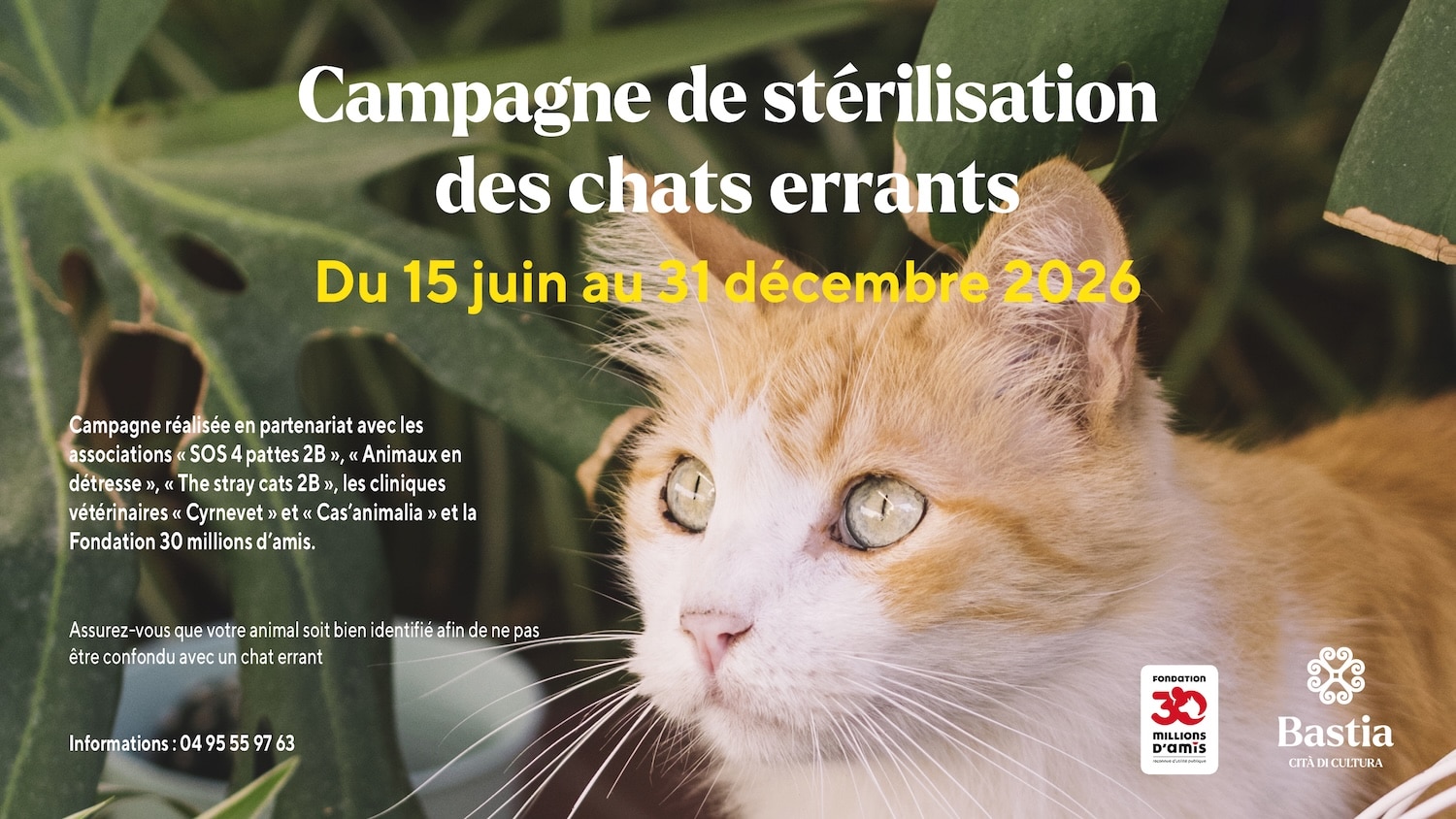
Bastia, Corsica — The city of Bastia will begin a comprehensive stray cat sterilization campaign in 2026, marking one of France’s most ambitious efforts to curb feral feline populations through systematic spaying and neutering. According to verified municipal sources, the initiative—expected to run through at least 2027—will involve mobile veterinary teams, partnerships with animal shelters, and public awareness campaigns targeting pet owners and residents. The program aims to sterilize up to 5,000 stray cats annually, officials confirmed, though exact figures remain under review pending final budget approvals.
This large-scale effort comes as Corsica grapples with a growing stray cat population, exacerbated by tourism spikes and limited local resources for animal control. “We’re addressing a public health and environmental issue head-on,” said Bastia Mayor Jean-Jacques Panunzi in a statement released this week. “This isn’t just about animal welfare—it’s about preventing disease outbreaks and protecting local ecosystems.” The campaign will prioritize high-density areas where feral colonies have proliferated, with a focus on the city’s historic center and port districts.
While details on specific veterinary partners remain under negotiation, municipal records indicate collaborations with SPCA Corsica and the 30 Millions d’Amis foundation, two of France’s largest animal welfare organizations. The city has also allocated €1.2 million in initial funding, with additional grants pending from the French Ministry of Ecology.
Why Bastia’s Campaign Matters: A Model for France?
Bastia’s initiative stands out as one of the first municipal-led sterilization programs in mainland France to explicitly target stray cats rather than dogs—a shift reflecting broader recognition of the ecological and public health risks posed by unchecked feline populations. According to a 2023 study by the French National Food Safety Agency (ANSES), feral cats in urban areas contribute to the spread of toxoplasmosis and other zoonotic diseases, while their predation on native bird species disrupts local biodiversity. “Corsica’s unique ecosystem makes this campaign particularly critical,” noted Dr. Élodie Martin, a wildlife veterinarian at the University of Corsica, in an interview with Science & Vie.

The campaign’s scale also addresses a long-standing gap in French animal welfare policy. While dog sterilization programs are common in many cities, stray cats—estimated at over 100,000 across Corsica alone—have historically received far less attention. Bastia’s approach combines traditional trap-neuter-release (TNR) methods with community engagement, including educational workshops on responsible pet ownership. “We’re not just catching and sterilizing,” explained Panunzi. “We’re working to change behaviors that lead to abandonment in the first place.”
Key Players: Who’s Behind the Campaign?
The initiative is a joint effort between Bastia’s municipal government, regional animal welfare groups, and national organizations. Confirmed partners include:
- SPCA Corsica: Leading veterinary and shelter operations, with mobile clinics set to deploy in Bastia’s target zones.
- 30 Millions d’Amis: Providing funding and logistical support, including a dedicated hotline for reporting stray cat sightings.
- Corsican Veterinary Association: Supplying discounted sterilization services to low-income pet owners.
- French Ministry of Ecology: Contributing €500,000 in matching grants, contingent on progress reports.
Additional support is expected from the Fondation 30 Millions d’Amis, which has previously funded similar programs in Marseille and Lyon. “Bastia’s campaign is a pilot that could influence national policy,” said Fondation spokesperson Claire Dubois. “If successful, we hope to replicate this model in other high-density urban areas.”
How the Campaign Will Work: Step-by-Step
The sterilization process will unfold in three phases, according to a municipal timeline obtained by World Today Journal:
- Phase 1 (Q1 2026): Deployment of mobile veterinary units in Bastia’s historic center and port districts, with a focus on high-stray-density zones identified via community reports.
- Phase 2 (Q2–Q3 2026): Expansion to suburban areas, including partnerships with local pet stores to offer discounted sterilization for owned cats to reduce abandonment rates.
- Phase 3 (2027 onward): Long-term monitoring and public awareness campaigns, including workshops on cat socialization and microchipping.
Veterinary teams will use humane traps and anesthesia-free sterilization techniques to minimize stress on the animals. Each cat will receive a small ear notch—a standard practice in TNR programs—to track sterilized individuals and prevent double-procedures. “We’re aiming for a 70% reduction in feral colonies within three years,” said Dr. Sophie Leroy, a veterinary consultant for the campaign.
Public Reaction and Challenges Ahead
While the campaign has garnered broad support from animal welfare advocates, some residents and pet owners have raised concerns about cost and effectiveness. A petition circulated by a local animal rights group, Corsica Animalières, called for additional funding to cover microchipping for all sterilized cats, though municipal officials have not yet committed to this expansion. “We’re doing our best with the resources we have,” Panunzi acknowledged. “But we welcome public input to refine the program.”
Critics also point to past struggles with stray cat management in Corsica, where previous efforts have been hampered by limited veterinary capacity and seasonal tourism spikes that strain local resources. “The key will be maintaining momentum year-round,” said Dubois. “Tourist seasons bring more strays, but they also bring more volunteers—we need to leverage that.”
What Happens Next? Timeline and Updates
The campaign’s first phase is set to launch in January 2026, with the official kickoff event scheduled for Bastia’s municipal hall on December 15, 2025. Progress reports will be published quarterly on the city’s official website, with the first update expected in March 2026. Residents can track sightings or report concerns via the dedicated hotline: +33 4 95 32 12 34.
For those interested in volunteering or donating, the 30 Millions d’Amis donation portal and SPCA Corsica volunteer page are open for registrations. The city also plans to host public forums in early 2026 to gather feedback and adjust strategies.
FAQ: What You Need to Know
Q: Will this campaign sterilize only stray cats, or will owned cats be included?

A: The primary focus is on strays, but the city is partnering with local vets to offer discounted sterilization for owned cats to reduce abandonment. Contact your neighborhood clinic for details.
Q: How can I report a stray cat in Bastia?
A: Use the campaign hotline (+33 4 95 32 12 34) or fill out the online form on the municipal website.
Q: Are there risks to wildlife from sterilizing stray cats?
A: Studies, including research from the National Wildlife Federation, show that sterilization reduces predation rates by up to 50% while improving cats’ overall health and longevity.
Q: Can I adopt a sterilized cat from the campaign?
A: Yes. Sterilized cats will be assessed for adoption through SPCA Corsica and 30 Millions d’Amis shelters. Priority will be given to cats deemed socializable.
Q: How can I help beyond donating?
A: Volunteer as a trapper, foster, or community educator. Training sessions will begin in late 2025—register via the SPCA Corsica site.
For the latest updates, follow @BastiaOfficial on X/Twitter or visit the campaign’s official page: Bastia’s Stray Cat Sterilization Portal.
— Sophia Martinez, Editor, Entertainment
Last updated: October 10, 2024
Keep reading