
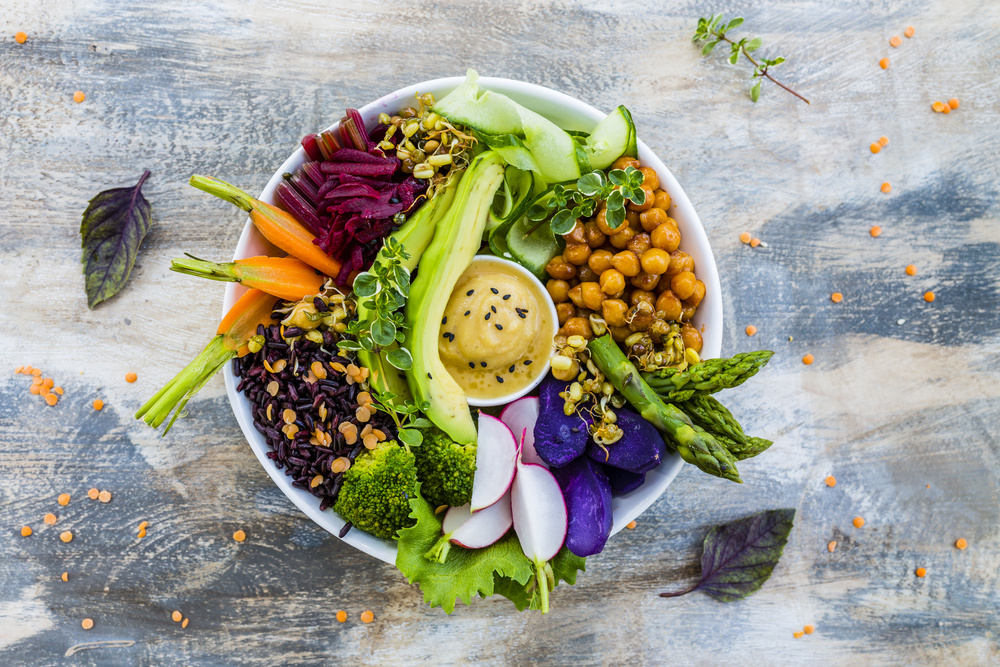
As plant-based eating continues to gain traction worldwide, recent findings from Veganuary’s annual participant survey reveal notable shifts in home cooking habits and vegetable consumption. The data shows that individuals taking part in the month-long vegan pledge are not only avoiding animal products but are also engaging more deeply with meal preparation and increasing their intake of fresh produce.
According to the survey, a significant majority of participants reported cooking more meals from scratch during Veganuary compared to their usual routines. This shift toward homemade dishes was accompanied by better meal planning and a noticeable rise in the consumption of vegetables and fruits. These behavioral changes suggest that structured dietary challenges like Veganuary may serve as catalysts for broader, sustainable improvements in everyday eating patterns.
The survey, conducted by the UK-based nonprofit Veganuary, has turn into one of the largest annual assessments of plant-based diet adoption, gathering responses from hundreds of thousands of participants across multiple countries. While the organization does not publish full survey datasets publicly, it regularly shares key findings through press releases and annual impact reports, which are widely cited by media outlets and health researchers.
Veganuary’s 2023 impact report indicated that over 700,000 people officially signed up for the campaign that year, with participation growing steadily since its inception in 2014. The organization emphasizes that its goal extends beyond the month of January, aiming to support long-term dietary shifts through resources such as meal plans, recipe guides, and nutritional advice available year-round on its website.
Research from academic institutions has begun to explore the lasting effects of short-term dietary interventions like Veganuary. A 2022 study published in the journal Appetite found that participants who completed a vegan pledge were more likely to maintain reduced meat consumption several months later, particularly when supported by social norms and accessible alternatives. Another study from the University of Exeter in 2023 suggested that such campaigns can increase awareness of food origins and encourage more mindful shopping behaviors, especially among younger adults.
Nutrition experts note that increased home cooking and higher vegetable intake are associated with a range of health benefits, including improved digestion, better weight management, and lower risk of chronic diseases. The World Health Organization recommends that adults consume at least 400 grams of fruits and vegetables daily, a target that many struggle to meet without deliberate meal planning—a gap that initiatives like Veganuary may support bridge.
Environmental advocates also highlight the broader implications of these dietary shifts. Livestock production accounts for a significant share of global greenhouse gas emissions, and reducing reliance on animal products—even temporarily—can contribute to lower personal carbon footprints. The EAT-Lancet Commission has identified plant-forward diets as a key component of sustainable food systems capable of supporting both human health and planetary boundaries.
Despite growing enthusiasm, challenges remain in maintaining plant-based habits beyond the initial challenge period. Surveys consistently indicate that while many participants appreciate the experience, barriers such as limited dining-out options, social pressures, and concerns about nutritional adequacy—particularly regarding vitamin B12, iron, and protein—can influence long-term adherence. Veganuary addresses these concerns through educational content and partnerships with food brands to expand accessible vegan options in supermarkets and restaurants.
The organization’s 2024 campaign saw participation from individuals in over 200 countries, reflecting the global reach of the movement. Local teams in regions such as Southeast Asia and Latin America have begun adapting materials to reflect regional cuisines, helping to ensure that plant-based eating feels culturally relevant and practical rather than restrictive.
As interest in flexible, health-conscious, and environmentally aware eating continues to grow, initiatives like Veganuary provide valuable insights into how short-term commitments can influence long-term behavior. The combination of increased home cooking, greater vegetable consumption, and improved meal planning observed among participants underscores the potential of structured challenges to act as entry points toward more sustainable lifestyles.
Those interested in reviewing the latest findings or joining future campaigns can visit Veganuary’s official website, where registration typically opens in the fall for the following January’s pledge. The site also offers free resources, including downloadable cookbooks and nutrition guides, available to anyone regardless of participation status.
For updates on upcoming campaigns, research collaborations, or regional events, Veganuary shares regular announcements through its newsletter and social media channels, which are updated throughout the year with content tailored to both newcomers and experienced plant-based eaters.