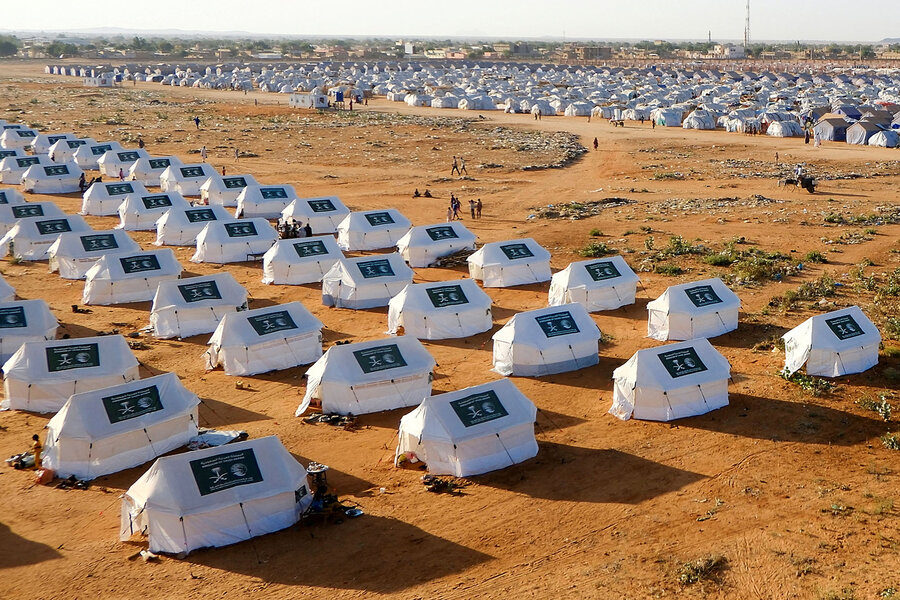
Civilians in the Sudanese city of el-Obeid are increasingly reliant on local volunteer-led relief efforts as the city remains trapped between warring factions. According to reports from the United Nations Office for the Coordination of Humanitarian Affairs (OCHA), the ongoing conflict between the Sudanese Armed Forces (SAF) and the Rapid Support Forces (RSF) has severely restricted access to essential goods and services for hundreds of thousands of residents in North Kordofan state.
The situation in el-Obeid, a major urban hub in central Sudan, has deteriorated as supply routes into the city face frequent blockades and security risks. With international aid agencies struggling to maintain a consistent presence due to the volatile security environment, local “emergency rooms”—grassroots volunteer networks—have emerged as the primary providers of food, medical care, and shelter for displaced populations. These groups, often operating with limited resources, coordinate through community-based initiatives to bypass the supply chain disruptions caused by the fighting.
The Impact of Conflict on Urban Supply Chains
El-Obeid serves as a critical junction connecting western Sudan to the capital, Khartoum, and the northern states. Since the outbreak of hostilities in April 2023, the city has faced persistent instability, with both the SAF and RSF vying for control of key military and logistical positions. The resulting insecurity has led to a collapse in commercial trade, causing the prices of basic commodities, such as flour and fuel, to surge beyond the reach of most residents, as noted in assessments by the Famine Early Warning Systems Network (FEWS NET).
The blockade of transit corridors has hindered the movement of humanitarian convoys. The World Food Programme (WFP) has repeatedly warned that the failure to secure humanitarian corridors for the delivery of aid into areas like North Kordofan leaves vulnerable communities at high risk of acute food insecurity. Because major international NGOs often require formal security guarantees that are difficult to obtain in active combat zones, the burden of survival has fallen squarely on neighborhood-level activists.
Grassroots Resilience and the Role of Emergency Rooms
The “emergency rooms” in el-Obeid consist of local residents, including doctors, teachers, and students, who organize to provide life-saving assistance. These groups often utilize social media platforms and local radio to map the needs of vulnerable households and distribute what few supplies they can secure. Despite their efforts, they face significant hurdles, including frequent telecommunications blackouts and the risk of being targeted by armed actors who may view their independence with suspicion.
According to Amnesty International, the civilian population in areas like North Kordofan continues to face indiscriminate shelling and the risk of arbitrary detention. The lack of functional health facilities, exacerbated by the looting of medical supplies and the departure of professional staff, has forced these local networks to establish makeshift clinics in private homes and schools. These centers often lack the surgical capacity required for trauma cases, leaving many victims of the conflict without access to advanced medical intervention.
Humanitarian Challenges and Future Outlook
The humanitarian crisis in Sudan has displaced millions, and the situation in el-Obeid reflects the broader systemic challenges of the conflict. International observers emphasize that the reliance on local relief is a testament to the resilience of the Sudanese people, but it is not a sustainable solution to a crisis of this magnitude. The United Nations has called for an immediate cessation of hostilities to allow for the safe passage of humanitarian aid, as outlined in their latest Humanitarian Response Plan for Sudan.
For the residents of el-Obeid, the immediate future remains tied to the shifting frontlines of the conflict. As the fighting continues, the ability of local volunteers to sustain their operations will depend on the continued availability of community-sourced funds and the ability to avoid direct confrontation with military forces. Humanitarian organizations remain on alert, awaiting the establishment of secure access routes that would allow for large-scale aid delivery to the region.
The next major checkpoint for the regional response will be the upcoming periodic reviews by the UN Security Council regarding the implementation of international humanitarian law in Sudan. Residents and observers continue to monitor local updates through verified community platforms as they navigate the ongoing instability. If you have information regarding the situation on the ground, please feel free to share your insights in the comments section below.