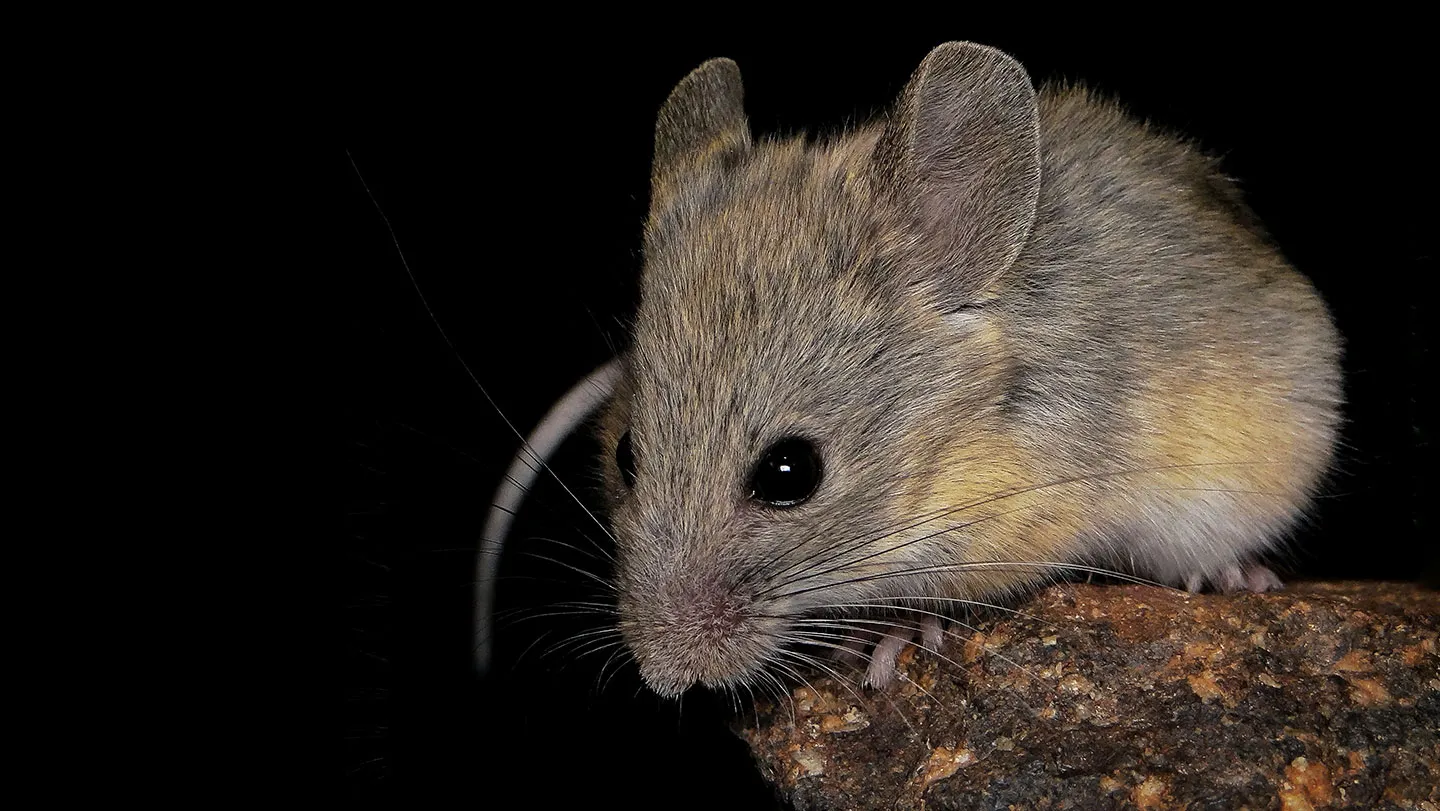
The Andean leaf-eared mouse (*Phyllotis xanthopygus*) has evolved specialized physiological mechanisms that allow it to thrive at extreme elevations in the Andes Mountains, where oxygen levels are significantly lower than at sea level. Research indicates that these small mammals maintain high metabolic rates through enhanced heat production and superior oxygen utilization, allowing them to remain active in environments that would be lethal to many other small-bodied species.
High-altitude environments present a dual challenge: hypoxia, or low oxygen availability, and extreme cold. For a small mammal with a high surface-area-to-volume ratio, maintaining body temperature is energy-intensive. Recent studies published in the Proceedings of the National Academy of Sciences (PNAS) have examined how these mice adapt to the thin air of the high Andes, often found at elevations exceeding 4,000 meters (approximately 13,000 feet) above sea level. According to researchers, these mice have developed genetic and physiological changes that allow them to sustain elevated metabolic heat production, a process known as thermogenesis, even when oxygen supply is restricted.
The ability to sustain this heat production is tied to the efficiency of the animals’ mitochondria—the powerhouses of the cell. Research led by scientists from the University of Nebraska-Lincoln and the University of Montana has shown that the Andean leaf-eared mouse possesses heart and skeletal muscle tissues that are remarkably adept at processing oxygen. This efficiency allows the mouse to maintain high levels of aerobic performance, facilitating the energy expenditure necessary to survive the frigid temperatures found at peak elevations.
“These mice are essentially built for the cold,” said Dr. Jay Storz, a lead researcher on the project, in an official communication regarding the study findings. The research highlights that, unlike many other mammals that experience a drop in metabolic rate when exposed to both cold and hypoxia, the leaf-eared mouse maintains its output. This stability is supported by specific adaptations in the way their hemoglobin binds to oxygen, as well as structural differences in their muscle fibers that prioritize efficient energy conversion.
The study of these high-altitude specialists provides broader insights into the limits of vertebrate physiology. By comparing the Andean leaf-eared mouse to lowland relatives, researchers have mapped the specific evolutionary changes that permit life in extreme, oxygen-depleted zones. These findings suggest that the integration of metabolic efficiency and cold-hardiness is a primary driver of high-altitude colonization in small mammals.
While these physiological adaptations are highly effective for the Andean leaf-eared mouse, they represent a narrow evolutionary window. As global climate patterns shift, the habitats of high-altitude species may become increasingly restricted. According to the International Union for Conservation of Nature (IUCN), many high-mountain species are currently subject to habitat fragmentation, which can limit the genetic diversity necessary for such complex physiological adaptations to persist over long evolutionary timescales.
Future research is expected to focus on the genetic pathways that govern these metabolic shifts. Understanding whether these traits can be activated in other species, or how they might be impacted by rapid environmental change, remains a priority for biologists studying mammalian evolution. For now, the Andean leaf-eared mouse serves as a primary model for understanding how life persists in some of the most inhospitable climates on Earth.
Readers interested in the ongoing monitoring of high-altitude ecosystems can find further information through the IUCN Red List of Threatened Species, which tracks the status of various Andean fauna. As researchers continue to publish new data on mitochondrial efficiency in high-altitude mammals, updates will be provided through the World Today Journal health and science desk.