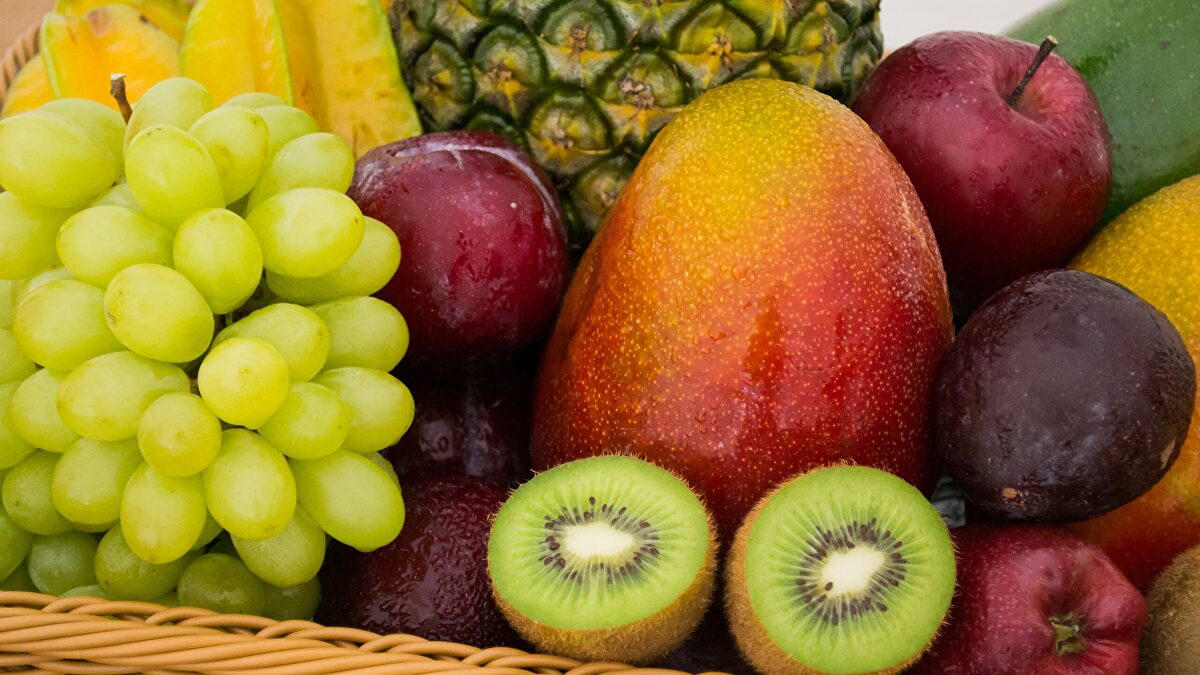
As we approach the warmer months, many of us instinctively reach for a higher SPF sunscreen or a new moisturizing cream. Still, as a physician and journalist, I have always maintained that the most effective skincare routine begins not in the medicine cabinet, but in the kitchen. The health and resilience of your skin are direct reflections of your internal nutrition, making a targeted diet for skin preparation before summer an essential component of dermatological health.
The skin is the body’s largest organ and serves as the primary barrier against environmental aggressors. When we expose ourselves to increased ultraviolet (UV) radiation, the dermis undergoes significant stress. By prioritizing specific nutrients—namely antioxidants, betacarotenes, and healthy fatty acids—You can strengthen this barrier from the inside out, helping to maintain elasticity and combat the cellular damage that leads to premature aging.
Preparing your skin weeks before the peak of summer is not about achieving an instant tan, but about building a biological defense system. Nutrients like omega-3 and betacarotene work to fortify the dermis, although a steady intake of antioxidants helps neutralize the free radicals generated by sun exposure, which are primary drivers of skin degradation and wrinkles.
The Role of Betacarotene in Sun Protection
One of the most critical nutrients for summer skin preparation is betacarotene. This provitamin is a powerful antioxidant that the body converts into vitamin A. In the context of sun exposure, betacarotenes are precursors to the production of melanin, the pigment that gives skin its color and provides a natural layer of protection against UV rays.

While consuming betacarotene-rich foods will not replace sunscreen, it prepares the skin for a more progressive exposure to the sun and helps reduce the impact of oxidative stress. This process supports a more uniform skin tone and enhances the skin’s natural ability to handle radiation. According to medical insights, the body converts approximately 12 micrograms of ingested betacarotene into an average of 1 microgram of vitamin A via Salud Responde.
The biological pathway is complex: in the liver and small intestine, betacarotene is split to form retinal. This can then be converted into retinol—which is vital for skin health—or retinoic acid, a hormone that regulates protein synthesis and gene expression. This internal chemistry is what allows the skin to maintain its structural integrity when faced with the harsh environment of summer.
Top Dietary Sources of Betacarotene
To effectively prepare the skin, it is best to prioritize whole food sources over supplements. Foods rich in betacarotene generally fall into three color-coded categories: orange/yellow fruits and vegetables, green leafy vegetables, and specific root vegetables.
Carrots are perhaps the most famous source; in fact, the term “carotene” is derived from their discovery in carrot roots in the early 1800s. A half-cup of cooked carrots can provide 270% of the daily recommended intake of betacarotene. Other high-impact foods include:
- Orange and Yellow Produce: Pumpkin, sweet potato, peaches, apricots, oranges, and papaya.
- Leafy Greens: Spinach, chard, watercress, lettuce, and broccoli.
- Other Vegetables: Red peppers and tomatoes.
For those tracking specific nutrient density, some of the highest concentrations of betacarotene (measured in ppm or micrograms/g) are found in carrots (673), watercress (560), and beets (468) via HSNstore.
Antioxidants and the Fight Against Premature Aging
Sun exposure triggers the production of free radicals—unstable molecules that damage cellular structures and accelerate the aging process. This is where antioxidants become indispensable. By neutralizing these free radicals, antioxidants prevent the breakdown of essential skin proteins.
Vitamin C is a cornerstone of this defense. Found abundantly in citrus fruits, kiwis, strawberries, peppers, and tomatoes, vitamin C is fundamental for the synthesis of collagen. Collagen is the protein responsible for keeping the skin firm and elastic; without it, the skin loses its structural support, leading to the premature appearance of wrinkles and fine lines.
Beyond vitamin C, the inclusion of omega-3 fatty acids is crucial for maintaining the skin’s lipid barrier. These healthy fats ensure the skin remains hydrated and elastic, preventing the dryness and peeling often associated with prolonged sun and heat exposure. Together, these nutrients create a comprehensive shield that protects the dermis from the inside.
Summary of Key Nutrients for Summer Skin
| Nutrient | Primary Function | Key Food Sources |
|---|---|---|
| Betacarotene | Melanin production & UV protection | Carrots, Pumpkin, Sweet Potato |
| Vitamin C | Collagen synthesis & antioxidant defense | Citrus, Strawberries, Kiwi |
| Omega-3 | Hydration and elasticity | Healthy fatty acids (fish/seeds) |
| Vitamin A (Retinol) | Skin cell regeneration | Converted from Betacarotene |
Practical Implementation: Building Your Summer Plate
Integrating these nutrients does not require a radical diet overhaul, but rather a strategic shift in food choices starting several weeks before the summer season. The goal is to create a consistent intake of “color-rich” foods that provide a steady stream of precursors for vitamin A and collagen support.
A practical approach involves incorporating a variety of the aforementioned vegetables into daily meals. For example, starting the day with citrus fruits or a kiwi provides the necessary vitamin C for collagen production. Adding a side of steamed carrots or roasted pumpkin to lunch ensures a high dose of betacarotenes. Finishing the day with a salad of spinach or chard adds further antioxidant depth.
It is also important to remember that while dietary preparation is powerful, it is a complementary strategy. It works in tandem with topical protection. The internal nutrients strengthen the “building blocks” of the skin, making the external barriers—like sunscreen—even more effective in preventing burns and long-term damage.
Key Takeaways for Skin Preparation
- Start Early: Begin increasing your intake of betacarotenes and antioxidants several weeks before peak sun exposure to prepare the dermis.
- Focus on Color: Prioritize orange, red, and yellow vegetables (carrots, pumpkin, peppers) and deep green leaves (spinach, watercress).
- Support Collagen: Consume vitamin C-rich fruits like citrus and kiwis to maintain skin firmness and elasticity.
- Hydrate Internally: Use healthy fats and omega-3s to keep the skin’s moisture barrier intact.
- Holistic Approach: Dietary preparation supports the skin but does not replace the demand for SPF and sun protection.
As we move toward the summer solstice, the focus should remain on a balanced, nutrient-dense diet that empowers the body to protect itself. By focusing on these key dietary pillars, you can ensure your skin remains healthy, resilient, and youthful throughout the season.
For those seeking further guidance on seasonal nutrition and public health, I recommend monitoring updates from recognized health authorities regarding UV safety and dietary guidelines. Please share your thoughts or questions in the comments below—I would love to hear how you are preparing your health routine for the coming months.
Keep reading