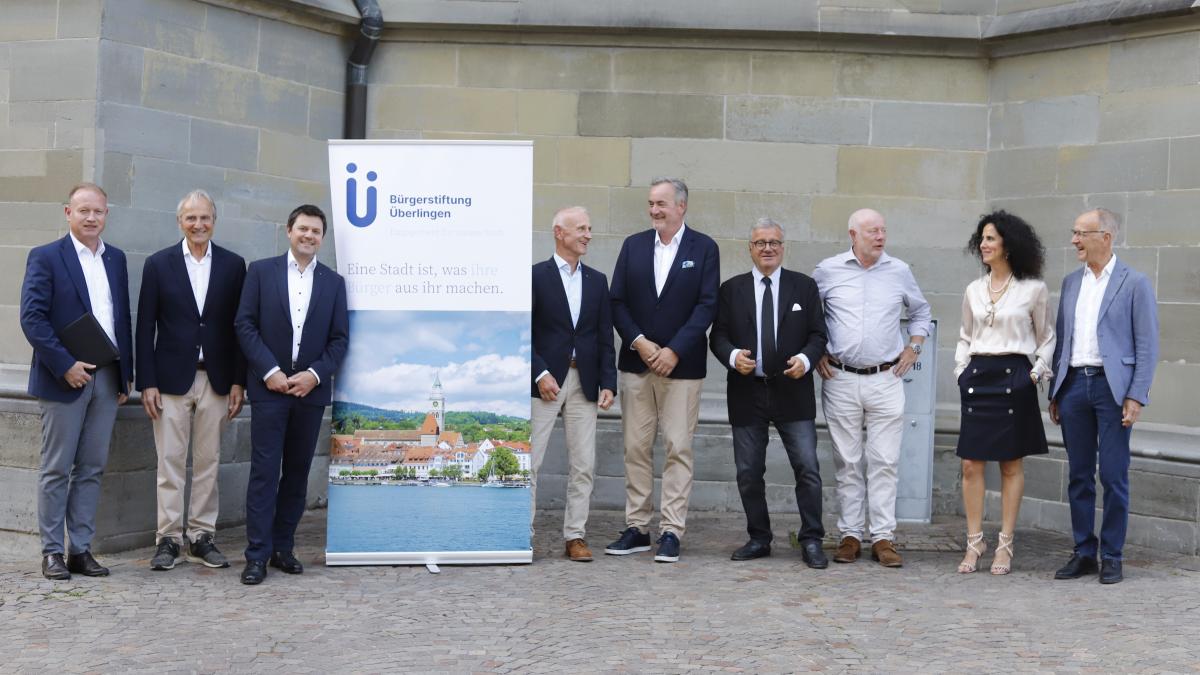
In an era of increasing economic centralization, the strength of local social infrastructure often rests on the shoulders of community-driven philanthropy. One such entity, the Bürgerstiftung Überlingen, is currently reinforcing this local framework by focusing its resources on critical pillars of social development: education, environmental protection, healthcare, and cultural preservation.
Based in the German town of Überlingen, the foundation operates on a model of localized social investment. By directing funds toward specific, community-centric needs, the Bürgerstiftung Überlingen aims to foster long-term resilience and social cohesion. This approach moves beyond traditional charity, acting instead as a strategic catalyst for projects that address the intersection of demographic shifts, environmental challenges, and the preservation of regional identity.
The foundation’s mandate is structured around several key strategic objectives designed to ensure that the benefits of local philanthropy are both measurable, and sustainable. These objectives focus on strengthening the social fabric through targeted interventions in several high-impact sectors.
Strategic Pillars of Community Investment
The Bürgerstiftung Überlingen has identified several core areas where philanthropic capital can generate the highest social return. These pillars are not merely charitable categories but are strategic focus areas intended to address the specific evolving needs of the Überlingen region.
1. Strengthening Educational Foundations
A primary objective of the foundation is the advancement of Bildung (education). By supporting educational initiatives, the foundation seeks to equip the next generation with the tools necessary for both personal growth and economic participation. This includes funding for local school-based projects, specialized learning resources, and initiatives that expand educational access within the community.
2. Environmental Stewardship and Nature Protection
Recognizing the critical importance of ecological health, the foundation prioritizes projects dedicated to Natur und Umwelt (nature and the environment). In a region like Überlingen, which is deeply connected to the ecological landscape of the Lake Constance area, environmental protection is both a local necessity and a broader climate imperative. Funding is directed toward conservation efforts and projects that promote sustainable interactions between the community and its natural surroundings.
3. Healthcare and Preventive Wellness
The foundation also places significant emphasis on Gesundheitsvorsorge (healthcare and preventive care). By supporting projects that promote health awareness and wellness, the Bürgerstiftung Überlingen aims to reduce the long-term burden on formal healthcare systems and improve the overall quality of life for residents. This includes initiatives ranging from community health programs to support for local medical and wellness infrastructure.
4. Cultural Preservation and Social Cohesion
Culture serves as the bedrock of community identity. The foundation supports various cultural endeavors that enrich the local way of life. A unique aspect of its mission is the drive to Generationen verbinden—to connect generations. By funding projects that facilitate interaction between the youth and the elderly, the foundation works to mitigate social isolation and ensure the transfer of local knowledge and values.
The Economic and Social Value of the ‘Bürgerstiftung’ Model
The concept of the Bürgerstiftung (citizens’ foundation) is a vital component of the German civil society model. Unlike large-scale international NGOs, these foundations are funded by the direct contributions of local citizens, meaning the capital remains within the community to solve community-specific problems.
From a socio-economic perspective, this model provides several distinct advantages:
- Hyper-Local Knowledge: Because the donors and the decision-makers are members of the community, the foundation can identify niche needs that larger, more centralized organizations might overlook.
- Social Capital Accumulation: By encouraging local residents to invest in their own surroundings, the foundation builds “social capital”—the networks of relationships and trust that allow a community to function effectively.
- Economic Multiplier Effects: Investments in local education and environmental health create long-term economic stability, making the region more attractive for residents and sustainable for future business development.
By targeting specific sectors such as education and healthcare, the Bürgerstiftung Überlingen acts as a stabilizing force, ensuring that as the demographic and environmental landscape changes, the community possesses the resources to adapt.
Looking Ahead: Engaging with Local Philanthropy
As the foundation continues to deploy its resources, its impact will be measured by the success of the local projects it empowers. For residents, local organizations, and stakeholders in the Überlingen area, the foundation represents a primary vehicle for translating civic interest into tangible social action.
Stakeholders interested in the foundation’s specific funding cycles or upcoming project calls should monitor official local communications from the Überlingen municipal authorities or the foundation’s own administrative channels for updated application guidelines and eligibility criteria.
For more updates on regional social investments and community development trends, please follow our business and policy section. We welcome your comments and insights on the evolving role of local philanthropy in the modern economy.
Related reading