Trump Proposes U.S. Equity Stakes in AI Giants to Create ‘Partnership’ with American Public
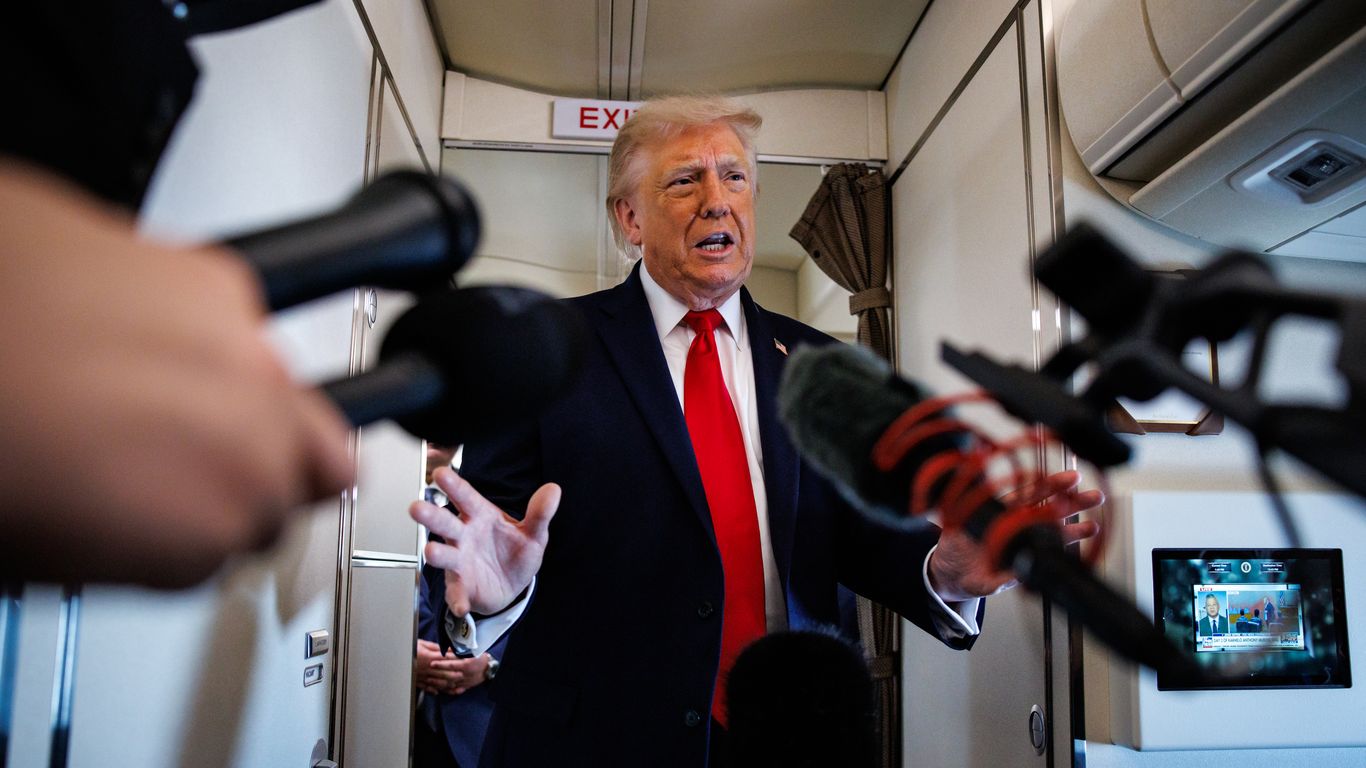
In a move that has sent ripples through both Silicon Valley and Capitol Hill, President Donald Trump has signaled a potential shift in American industrial policy, suggesting the United States government could take ownership stakes in leading artificial intelligence companies. Speaking to reporters aboard Air Force One, the President framed the proposal as a way to ensure that the immense wealth generated by the AI revolution is shared by the citizenry rather than being concentrated solely within a handful of tech conglomerates.
The President described the concept of government involvement as a “partnership with the American public,” suggesting that such a move could transform how the nation views and interacts with rapidly advancing technology. “There’s something highly interesting about it, where it almost becomes a partnership with the American public,” Trump told reporters. “It’s like you make them [partners] in this revolution. It would be a stunning thing. … It would make ’em rich.”
The proposal arrives at a critical juncture for the technology sector. As companies like OpenAI, Anthropic, and SpaceX approach significant milestones—including expected stock offerings—the debate over who should profit from the “trillion-dollar” potential of artificial intelligence has moved from the fringes of academic theory to the center of executive discourse. While the specific mechanism for such a stake remains unconfirmed, the President noted that the administration is “looking into” ways to ensure the American people benefit from the success of the AI sector.
A Surprising Convergence: Populism and AI Wealth
The President’s comments have highlighted an unexpected ideological overlap between two often-opposing ends of the American political spectrum. While the administration’s approach is rooted in economic populism, the core concept echoes recent proposals from Senator Bernie Sanders (I-Vt.), who has been a vocal advocate for direct public involvement in high-growth industries.
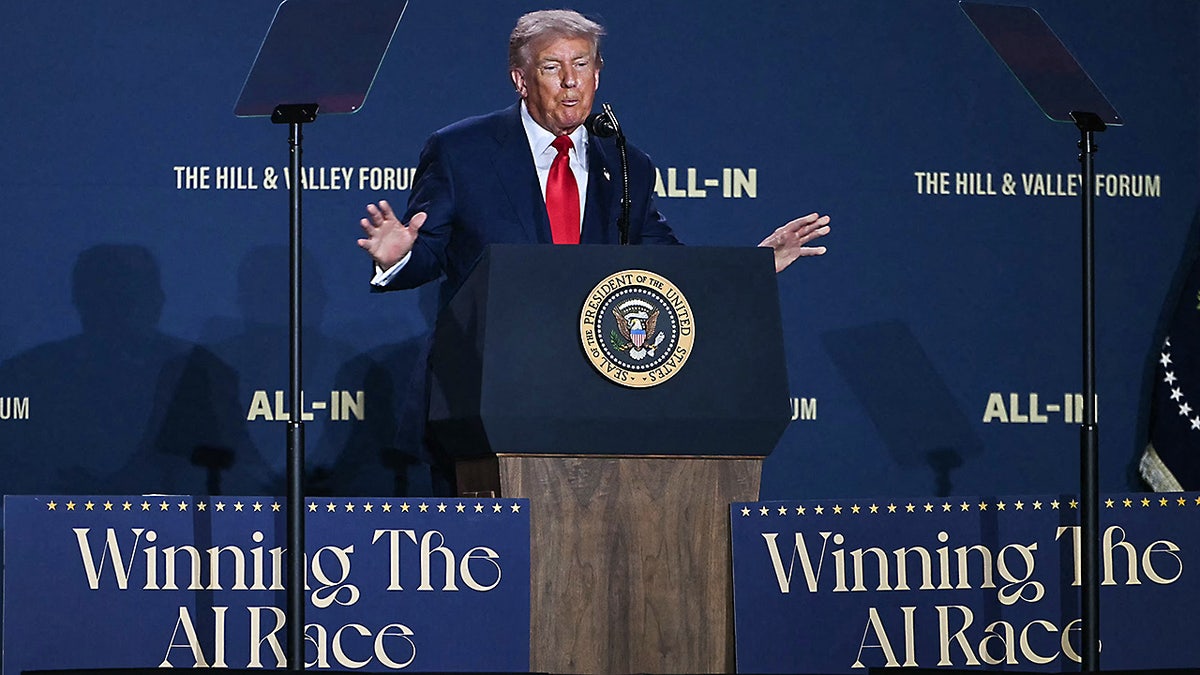
Earlier this week, Senator Sanders reignited the conversation by proposing a mechanism to provide the public with a “direct ownership stake” in top AI firms. The Senator’s proposal involves a one-time 50% tax on these companies, to be paid in the form of equity rather than cash. This approach seeks to convert corporate windfall into a national asset, effectively creating a public endowment from the technological revolution.
When questioned about the apparent incongruity of embracing a concept championed by a democratic socialist, President Trump emphasized his commitment to a brand of economic populism that transcends traditional party lines. “As far as economics is concerned,” Trump said, “we have certain things that aren’t that far apart. People are surprised.”
This convergence suggests that the “AI question”—how to manage the unprecedented wealth creation of machine intelligence—may become a bipartisan issue focused on domestic stability and wealth distribution.
The Origins of the ‘Public Wealth Fund’ Concept
The idea of a “Public Wealth Fund” is not entirely new to the current administration. rather, it appears to be the culmination of ongoing discussions between tech leaders and government officials. OpenAI CEO Sam Altman has reportedly been a key proponent of this concept, engaging in private conversations with administration officials over the past year to discuss how the benefits of AI could be more broadly distributed.
The framework for this transition has been articulated in various forms, most notably in a provocative document titled “Industrial Policy for the Intelligence Age,” released by OpenAI in April. That paper outlined the necessity of a new social contract for the era of artificial intelligence, suggesting that the scale of AI’s economic impact requires a fundamental rethink of ownership and taxation.
Industry advocates, however, are expected to push for a more moderate approach than the Senator’s 50% tax model. Within tech circles, discussions have frequently centered on much smaller equity transfers—ranging from 1% to 5% stakes—to establish a public wealth fund without stifling the incentive for private innovation.
The push for a public stake also serves a strategic social purpose. As AI technology faces growing skepticism and unpopularity in certain sectors of the U.S. Population, leadership in the field suggests that widespread ownership could improve the technology’s public image. If every American is a stakeholder in the success of AI, the “mind-boggling wealth creation” of the sector becomes a collective victory rather than a source of social friction.
Geopolitical Stakes: Leading the Global AI Race
Beyond domestic wealth distribution, the President’s proposal is heavily motivated by the intensifying global competition for technological supremacy. The administration has made it clear that maintaining the United States’ lead in AI is a matter of national security and economic survival, particularly in the context of the ongoing race with China.
“We’re leading China. We’re leading everybody in the world with AI, and we want to keep it that way,” Trump stated. By creating a direct link between the American public and the success of AI giants, the administration aims to galvanize national support for the continued dominance of U.S.-based technology.
The timing is particularly sensitive given the anticipated capital market activity from several major players. With companies like OpenAI, Anthropic, and SpaceX expected to engage in significant stock offerings, the window for implementing a “public partnership” model may be narrowing. A government stake could potentially be structured around these offerings, allowing the state to acquire shares at the point of market entry.
Comparison of Proposed AI Ownership Models

| Model | Primary Proponent | Mechanism | Estimated Stake |
|---|---|---|---|
| Direct Tax-to-Equity | Sen. Bernie Sanders | One-time 50% tax paid in stock | Up to 50% |
| Industry-Led Fund | Tech Advocates | Voluntary or regulated equity transfers | 1–5% |
| Executive Partnership | President Trump | Government ownership/partnership | TBD |
Key Takeaways
- Shift in Policy: The U.S. Administration is considering government equity stakes in major AI companies to ensure public benefit.
- Economic Populism: The proposal marks a rare alignment between Trump’s economic populism and Senator Sanders’ wealth redistribution goals.
- Public Image: Making Americans “partners” in AI is seen as a way to mitigate growing public unpopularity of the technology.
- Geopolitical Competition: A primary driver is the need to maintain a decisive lead over China in the global AI race.
- Imminent Market Activity: The proposal coincides with expected stock offerings from industry leaders like OpenAI and Anthropic.
As the administration moves from rhetoric to potential policy, the next critical phase will involve legislative scrutiny and the development of specific regulatory frameworks. Industry leaders and lawmakers are expected to convene in the coming months to debate the feasibility of a “Public Wealth Fund” and the potential impact on private investment.
For further updates on this developing story and its implications for global markets, please follow World Today Journal. We encourage you to share this article and join the conversation in the comments below.
Related reading