The Unexpected Power of Profanity: How Swearing Can Boost Strength, Endurance, and Performance
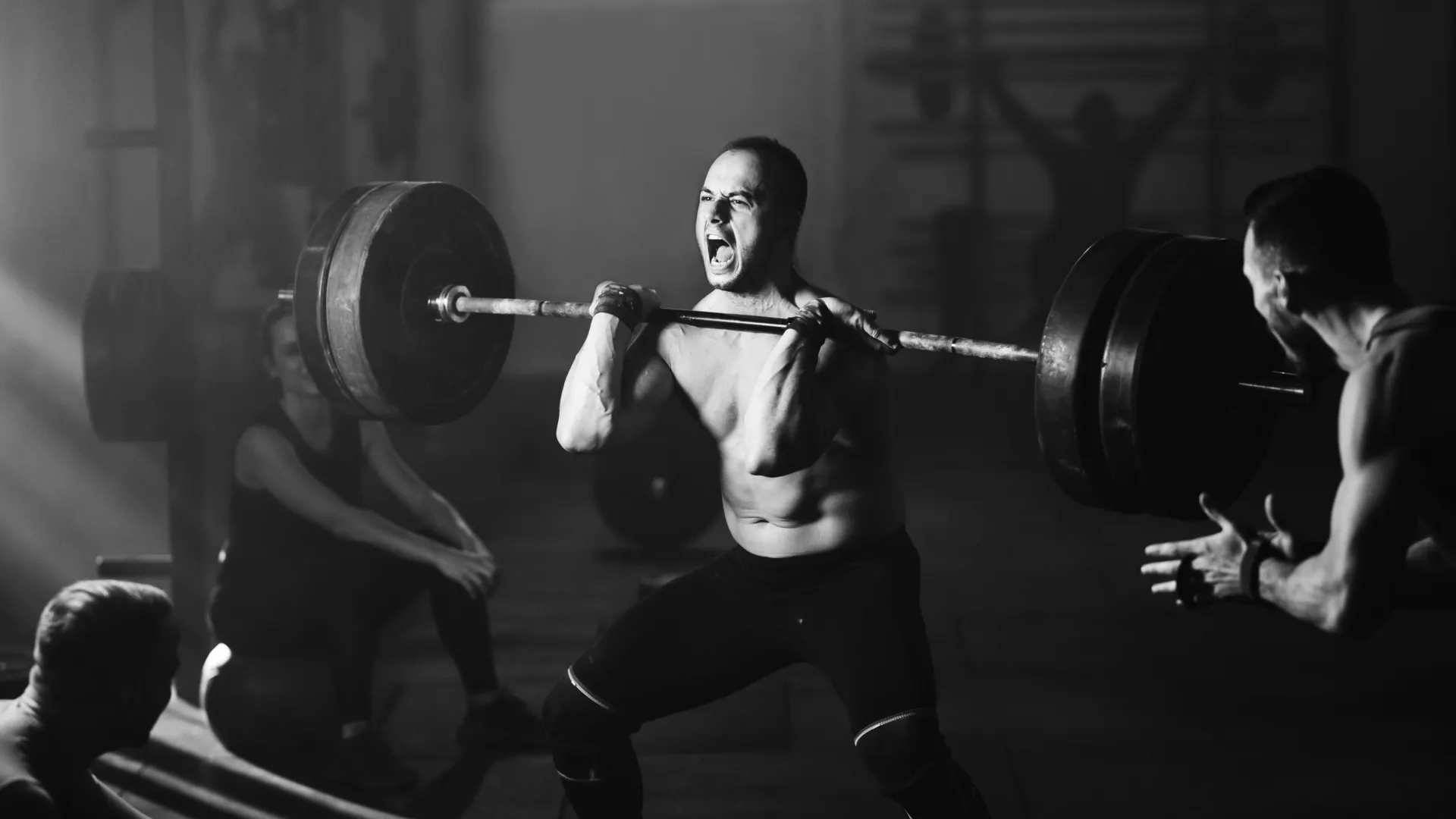
For a visceral moment of relief, many of us instinctively unleash a swear word when faced with frustration or physical strain. But beyond the immediate emotional release, emerging research reveals a surprising benefit: swearing may actually enhance our physical capabilities. A growing body of evidence, culminating in findings published by the American Psychological Association, suggests that strategically deployed profanity can improve performance in tasks demanding strength and endurance – and the science behind why is fascinating.
The established Link: Swearing & physical Performance
This isn’t a new idea. For years, Dr. Richard Stephens, PhD, of Keele University in the U.K., has spearheaded research demonstrating a consistent correlation between swearing and improved physical output. Early studies showed individuals could withstand pain for longer periods – like keeping a hand submerged in ice water - and perform more repetitions in exercises like chair push-ups when allowed to swear.
“That is now a well-replicated, reliable finding,” Stephens explains. “But the question is – how is swearing helping us? What’s the psychological mechanism?”
Unlocking the Mechanism: Disinhibition and the Power of Letting Go
The key, Stephens and his team theorize, lies in disinhibition. Disinhibition refers to a mental state where individuals feel less constrained by social norms, self-doubt, and internal hesitation. Essentially, swearing allows us to “throw off social constraint” and access a more primal, focused energy.
“In many situations, people hold themselves back – consciously or unconsciously – from using their full strength,” Stephens notes. “Swearing is an easily available way to help yourself feel focused,confident and less distracted,and ‘go for it’ a little more.”
Rigorous testing: The Chair Push-Up experiments
To delve deeper into this disinhibitory effect, Stephens’ team conducted two experiments involving 192 participants. Participants performed chair push-ups, repeating either a self-selected swear word or a neutral word every two seconds. Crucially, the research didn’t just measure physical performance; it also assessed the psychological state of the participants.
Researchers utilized detailed surveys to gauge levels of:
* Positive Emotion: How good participants felt during the exercise.
* amusement: Whether the task was perceived as enjoyable.
* Distraction: The degree to which participants felt their focus wavered.
* Confidence: Their belief in their ability to succeed.
* Psychological Flow: That state of complete immersion and focused concentration where time seems to disappear.
The Results: Swearing Fuels Flow, Confidence, and endurance
The results unequivocally supported the hypothesis. Participants who swore during the chair push-ups completed considerably more repetitions than those who used neutral words. When combined with data from previous studies, a clear pattern emerged: the performance boost was directly linked to higher reported levels of psychological flow, increased distraction (in a positive, focusing way), and enhanced self-confidence – all hallmarks of a disinhibited state.
This suggests swearing isn’t simply about releasing anger; it’s about altering our mental state to optimize performance. As Stephens succinctly puts it, “Swearing is literally a calorie-neutral, drug-free, low-cost, readily available tool at our disposal for when we need a boost in performance.”
Beyond the Gym: Expanding the Applications of Profanity
The implications of this research extend far beyond athletic endeavors. Researchers are now investigating whether the benefits of swearing can be harnessed in other situations where hesitation and self-doubt often hinder success.
Dr. Nicholas Washmuth, DPT, of the university of Alabama in Huntsville, a co-author of the study, explains the next phase of research: “Our labs are now studying how swearing influences public speaking and romantic approach behaviors, two situations where people tend to hesitate or second-guess themselves.”
The Takeaway: A Nuanced View of Profanity
While mindful language is generally encouraged, this research offers a fascinating perspective on the potential benefits of strategically used profanity. It’s not about advocating for constant swearing, but rather recognizing the powerful psychological effect it can have in specific, challenging situations. Understanding this mechanism allows us to appreciate the complex relationship between language, emotion, and human performance – and perhaps, to harness the power of a well-timed expletive when we need it most.
Resources:
* American Psychological Association: https://www.apa.org/
* Keele University: https://www.keele.ac.uk/
* university of Alabama in Huntsville: [https://www.uah.edu/](https://www.uah.edu