
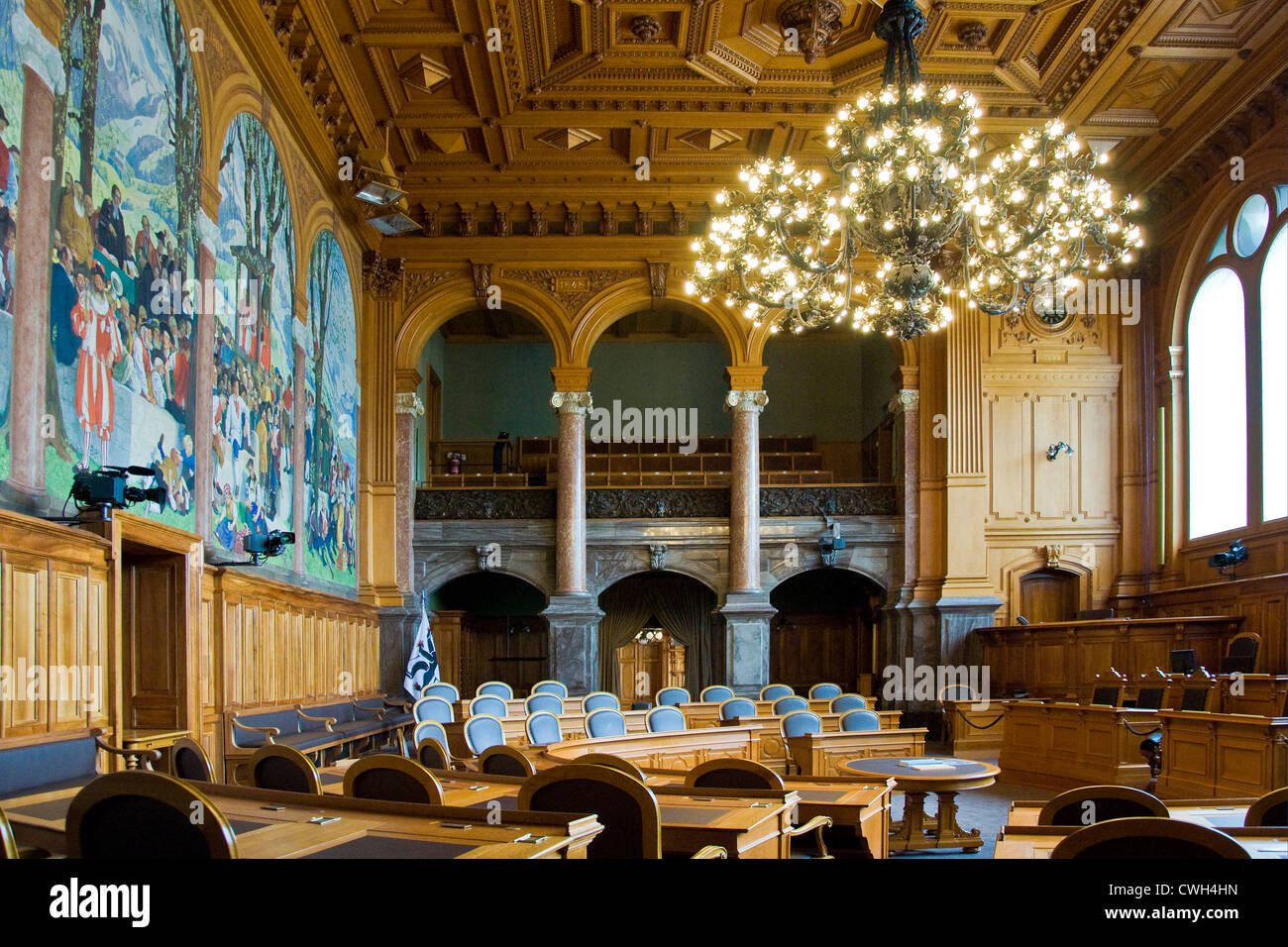
The Swiss Council of States has rejected a legislative proposal that would have allowed retail shops to remain open on up to 12 Sundays per year. By a vote of 27 to 15, with two abstentions, the upper house of the Swiss Parliament upheld existing federal labor protections, effectively maintaining the current restrictions on Sunday commerce across the country.
The legislative effort, which sought to amend the Federal Act on Labour in Industry, Trade and Commerce, aimed to provide retailers with more flexibility to respond to changing consumer habits and the rise of e-commerce. Proponents argued that allowing Sunday openings would help brick-and-mortar stores compete with online platforms. However, the majority of the Council of States sided with labor unions and religious groups, who maintained that Sunday remains a vital day of rest for employees and a cornerstone of social life in Switzerland.
The Legislative Debate Over Sunday Shopping
The proposal to extend Sunday opening hours was formally debated in the Council of States on June 11, 2024, following previous discussions in the National Council. The initiative sought to grant cantons the authority to permit Sunday sales up to 12 times annually for specific retail sectors. According to the official record from the Swiss Parliament, the move was largely viewed as an attempt to harmonize regulations that currently vary significantly across the 26 cantons.
Opposition to the bill focused on the potential erosion of workers’ rights. Trade unions, including the Swiss Trade Union Confederation (SGB), campaigned against the measure, arguing that the existing Federal Act on Labour in Industry, Trade and Commerce already provides sufficient exceptions for shops in tourist areas and transport hubs. They contended that increasing the frequency of Sunday work would place unnecessary strain on retail staff, the majority of whom are women, and disrupt family life.
Why Switzerland Maintains Strict Sunday Laws
Switzerland’s approach to Sunday commerce is rooted in both legal frameworks and cultural tradition. Under current federal law, Sunday is generally recognized as a day of rest. While exceptions exist—primarily for bakeries, kiosks, and retailers located in train stations or airports—the broader retail sector has faced consistent legislative hurdles when attempting to expand operating hours.

This decision reflects a broader tension in Swiss politics between economic liberalization and the protection of the “social partnership” model. As reported by SWI swissinfo.ch, the Council of States expressed concern that opening retail spaces more frequently would lead to a “slippery slope” of creeping Sunday work, eventually diminishing the distinction between workdays and rest days. The rejection of the proposal signals a clear preference among the current legislative body to preserve the status quo, despite pressure from retail associations seeking to mitigate the impact of declining foot traffic in city centers.
Impact on Retailers and Consumers
The failure of the motion leaves the regulatory landscape fragmented. Retailers in Switzerland currently operate under a patchwork of cantonal laws, meaning that a shop in one city might be allowed to open on specific Sundays, while a store just across a cantonal border remains closed. For national retail chains, this inconsistency creates operational challenges in managing staff schedules and supply chains.
Consumers, meanwhile, remain accustomed to shops closing on Sundays, with the exception of the aforementioned transit hubs and tourist zones. While some urban residents have expressed interest in greater convenience, there has been no widespread public demand for a radical shift in shopping hours, according to analysis provided by Reuters. The government’s decision to maintain the current law suggests that the political cost of overturning the traditional Sunday rest is currently too high for the majority of parliamentarians.
What Happens Next for Retail Regulation
With the Council of States having definitively rejected the proposal, the bill is effectively shelved at the federal level. There are no immediate plans to reintroduce the motion in the current legislative session, as the parliament has signaled a clear intent to prioritize existing labor protections over retail expansion.
Stakeholders in the retail sector are now expected to focus on optimizing existing exceptions within the current law rather than pursuing broad deregulation. For the time being, the status quo remains, and Swiss retail operations will continue to adhere to the established federal guidelines regarding Sunday labor. Readers looking for updates on future labor law amendments can monitor the official Swiss Parliament portal for upcoming committee agendas and legislative schedules. We welcome your perspective on this development—please share your thoughts in the comments below.
Related reading