Syria Forges New Alliance with the U.S.in Regional Security Shift
A significant realignment in Middle eastern politics is underway as Syria commits to actively collaborating with the United States in combating extremist groups. This unprecedented move signals a dramatic shift in the region’s security landscape,notably concerning Iran’s influence and the ongoing threat of terrorism.
A Historic Visit to the White House
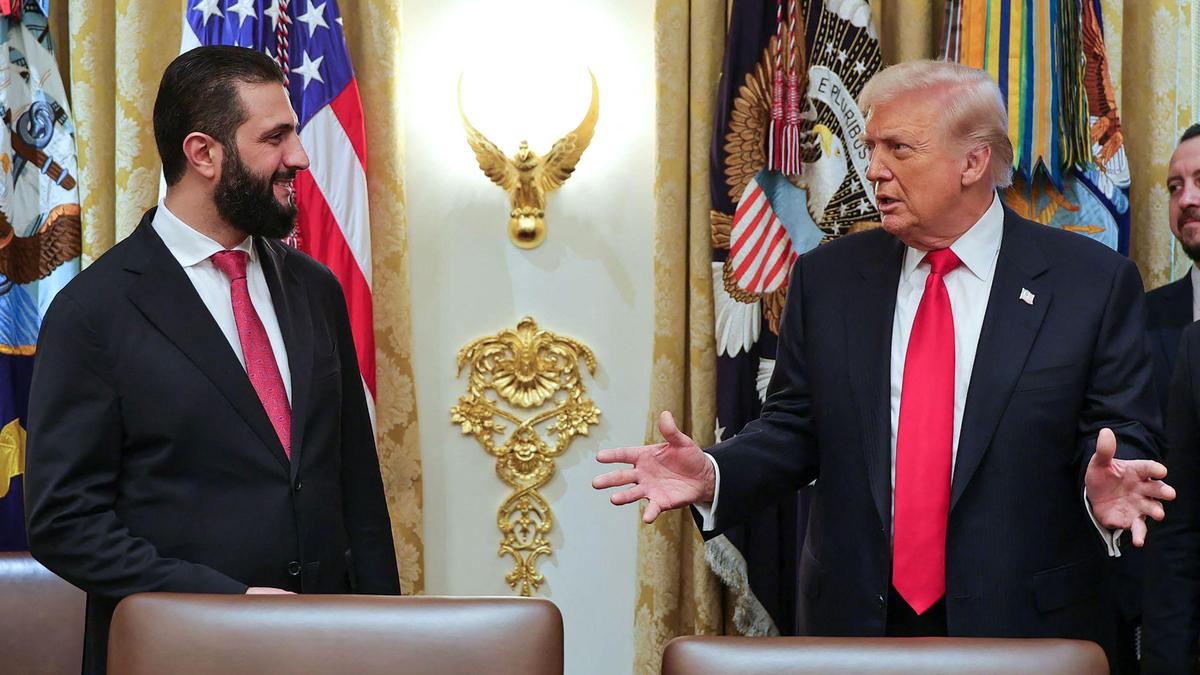
Syria’s interim President Ahmed al-Sharaa recently completed the first visit by a Syrian leader to the White House since the nation’s independence in 1946. This landmark event underscores the evolving relationship between the two countries and Syria’s willingness to partner with the U.S. on critical security matters.
Shortly following the visit, the U.S.-led coalition against the Islamic State group (IS) welcomed Syria as its 90th member. This inclusion highlights the growing trust and shared objectives between Washington and Damascus.
Targeting Key Threats
According to U.S.special envoy Tom Barrack, damascus will now actively assist in dismantling remnants of IS, the Islamic Revolutionary Guard Corps (IRGC), Hamas, and Hezbollah. this broadened scope of cooperation demonstrates Syria’s commitment to regional stability and its willingness to confront groups that have historically destabilized the area.
Iran’s IRGC and hezbollah were previously staunch supporters of ousted President Bashar al-Assad. Now, Syria is turning its focus toward dismantling the networks that once propped up the previous regime. It’s important to note that Hamas currently does not maintain an armed presence within Syria.
Integrating Syrian Democratic Forces (SDF)
Discussions are also underway to integrate the Syrian Democratic Forces (SDF) into Syria’s broader economic,defense,and civic structures. These talks, involving U.S. diplomat Marco Rubio, Turkey’s Hakan Fidan, and Syria’s Asaad al-Shaibani, aim to solidify a unified and effective security apparatus.
The SDF, backed by Washington, played a pivotal role in defeating IS in Syria. their integration into the national forces is seen as a crucial step toward long-term stability.
SDF leader Mazloum abdi has confirmed a “preliminary agreement” with Damascus regarding the integration of his troops. He also recently discussed accelerating this process with Barrack, emphasizing a shared commitment to a unified Syrian defense force.
Overcoming Integration Challenges
While an agreement was initially signed in March to integrate the SDF into national institutions, progress has been slow. You can expect continued efforts to overcome these hurdles and ensure a smooth transition.
This evolving situation presents both opportunities and challenges.Though, the commitment from all parties involved suggests a genuine desire for a more secure and stable future for Syria and the wider region.
this new alliance represents a potentially transformative moment for the Middle East. If you’re following these developments, understanding the nuances of these partnerships will be key to grasping the future of regional security.
Related reading