T-Rex’s Small Arms Mystery Solved: New Study on Evolution and Skull Strength

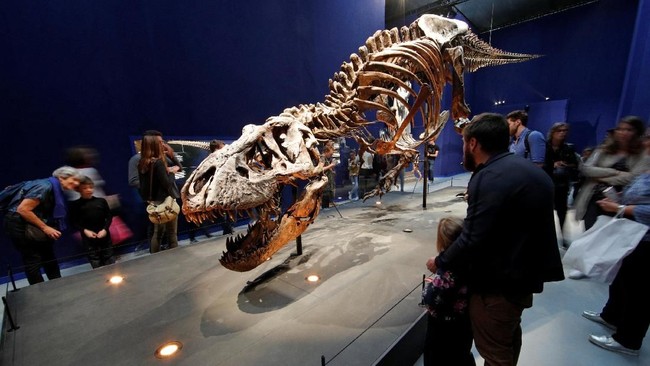
For decades, one of the most enduring mysteries in paleontology has been the anatomical paradox of Tyrannosaurus rex: how could a creature of such immense power, a predator that sat at the absolute pinnacle of the Cretaceous food web, possess forelimbs so small they seemed almost vestigial? While popular culture often depicts the T-Rex as … Read more
Crocodile Study Challenges Dinosaur Age Estimates: Growth Rings Aren’t Always Yearly

Berlin – A growing body of research suggests that the methods scientists have long used to determine the age of dinosaurs may be fundamentally flawed, potentially requiring a comprehensive reevaluation of our understanding of these prehistoric creatures. The challenge stems from new insights into the growth patterns of modern reptiles, specifically crocodiles, which share a … Read more

Baby Dinosaur Fossil Reveals Secrets of Pachycephalosaurus Growth & Movement | 67 Million Year Old Discover in Canada

A remarkably well-preserved fossil of a baby Pachycephalosaurus, unearthed in southern Saskatchewan, Canada, is offering paleontologists an unprecedented glimpse into the early life of these iconic dome-headed dinosaurs. The discovery, announced on Monday, March 8, 2026, provides crucial insights into the growth and development of these creatures during their most vulnerable months – a period … Read more

Dinosaur Sekecil Ayam: Kerabat Jauh T-Rex Ditemukan, Ungkap Evolusi!

Chicken-Sized Dinosaur Rewrites Evolutionary History, Linked to T. Rex Ancestry A newly discovered dinosaur species, Alnashetri cerropoliciensis, is challenging long-held assumptions about the evolution of theropod dinosaurs. Roughly the size of a modern chicken, this diminutive predator lived approximately 95 million years ago in what is now Argentina, and its remarkably complete fossil skeleton is … Read more

Triceratops’ Nose: How It Acted as a Natural “AC”

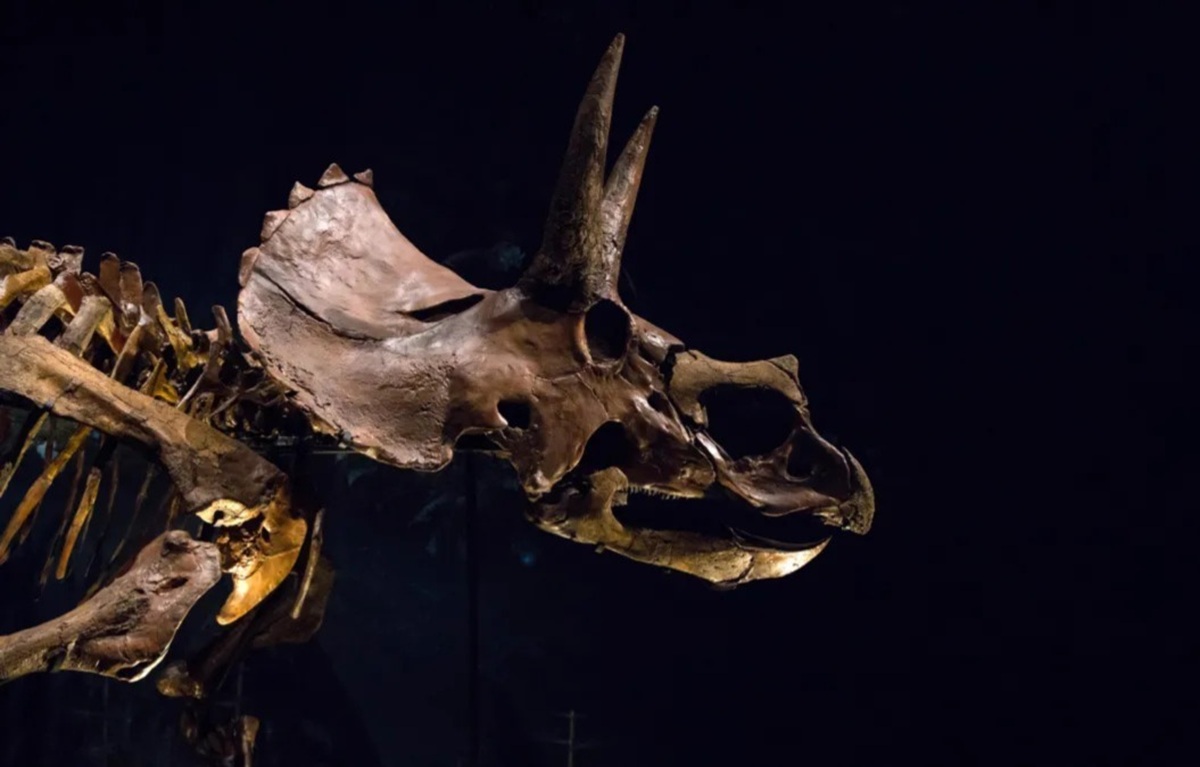
The iconic Triceratops, a herbivorous dinosaur instantly recognizable by its three horns and massive bony frill, possessed a surprisingly sophisticated nasal cavity that went far beyond simply smelling its surroundings. New research, published in the journal The Anatomical Record, reveals that the dinosaur’s large nose functioned as a complex thermoregulatory system, essentially acting as a … Read more