Afghanistan’s Digital Lifeline Severed: The Human Cost of Restricted Internet Access
For over a decade, a remarkable project unfolded in Afghanistan: a nationwide fiber-optic network promising to connect millions to the global digital landscape. Initiated in 2007 with $60 million in donor funding, this infrastructure spanned nearly 6,000 miles, linking 26 provinces and offering a pathway to affordable, high-speed internet for nearly 26 million Afghans. Now, that promise is fading, replaced by a stark reality of restricted access and escalating costs.
The Taliban’s decision to halt operations of the fiber-optic network has effectively crippled a vital resource. While mobile internet remains available, it’s a shadow of it’s former self – slow, expensive, and increasingly out of reach for ordinary citizens. This isn’t simply a technological setback; it’s a deepening humanitarian crisis with profound implications for education, economic opportunity, and essential freedoms.
The Crushing Weight of cost
Consider the situation for families already struggling to survive. Unemployment is soaring, and food insecurity is widespread. The shift from affordable home wifi to costly, metered mobile data is a devastating blow.
Here’s a breakdown of the challenges:
* Increased Financial Burden: Families are now facing double the costs for considerably less access.
* Limited Data Allowances: Small data packages quickly deplete, hindering essential online activities.
* Economic Hardship: With 85% of the population living on less than 2,200 afghanis a month, even a small data expense can be crippling.
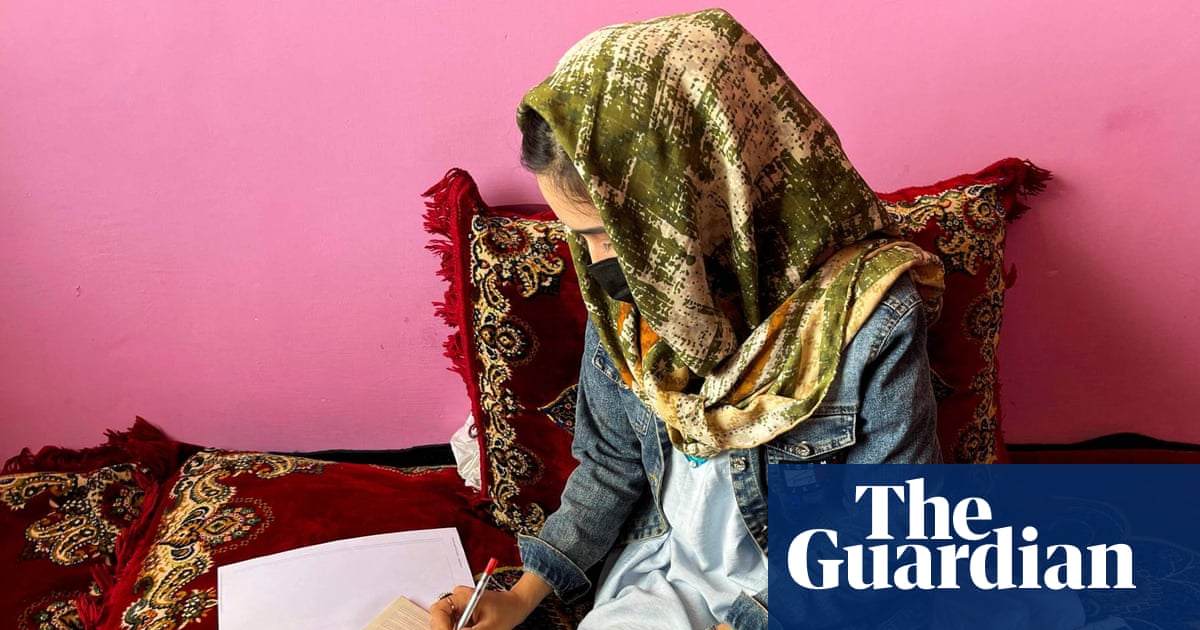
For individuals like Sonia, a 21-year-old participating in online journalism classes, the situation is particularly dire. She shares the burden of supporting her family with her brother’s wages, making even a modest data plan unaffordable. “I bought 5GB of data for 400 afghanis, it lasted two weeks,” she explains. “It’s impossible to keep paying for such a high cost.”
The Future on Hold: Education and Opportunity lost
The consequences extend far beyond individual financial strain. You can see the impact on the aspirations of young Afghans, particularly girls.
For students like Marjaneh and Maryam, access to the internet isn’t a luxury – it’s essential for their future. they fear losing access to vital educational resources, including:
* Online Courses: Opportunities for skill development and higher education are disappearing.
* Language Learning: Programs like TOEFL planning are becoming inaccessible.
* Coding and Digital Literacy: Essential skills for the modern workforce are slipping out of reach.
“If this continues,” maryam says,”I won’t graduate. I’ll lose TOEFL, coding, everything. It just feels hopeless.”
This isn’t just about lost educational opportunities. It’s about the erosion of hope and the stifling of potential in a generation already facing immense challenges. The restricted internet access is effectively creating a digital divide, further marginalizing vulnerable populations and hindering Afghanistan’s progress.
A Call for Action
The situation demands urgent attention. Restoring affordable, reliable internet access is not merely a technological fix; it’s a moral imperative. It’s about empowering the Afghan people, fostering economic growth, and ensuring that future generations have the opportunity to thrive.
Without intervention, the digital lifeline that once connected Afghanistan to the world will remain severed, leaving millions stranded in a cycle of isolation and despair.
Related reading