TotalEnergies shareholders have voted to maintain the current leadership structure, rejecting a proposal to separate the roles of Chairman and Chief Executive Officer despite a measurable increase in support for the split. The decision, reached during the company’s latest Annual General Meeting (AGM), ensures that Patrick Pouyanné will continue to hold both positions, preserving the company’s existing governance model for the upcoming fiscal period.
The rejection of the separation proposal comes at a time of heightened scrutiny regarding corporate governance within the global energy sector. While the majority of shareholders opted to maintain the status quo, the voting patterns indicate a growing divide between the company’s management and institutional investors who advocate for increased board independence and stricter oversight mechanisms.
Why TotalEnergies shareholders rejected the leadership split
The decision to retain the dual role of Chairman and CEO was driven by a preference for leadership continuity and strategic stability. According to company communications and shareholder voting results, many investors expressed concern that splitting the roles could fragment the company’s decision-making process during a critical period of energy transition. Management has consistently argued that the dual role allows for a unified vision, enabling the company to navigate volatile global markets and complex long-term capital investments with greater agility.
Supporters of the current structure often point to the following factors:
.jpg "Why TotalEnergies shareholders rejected the leadership split")
- Strategic Cohesion: A single leader can more effectively align the company’s operational goals with its long-term decarbonization and expansion strategies.
- Operational Efficiency: The dual role minimizes the potential for friction between the board of directors and the executive management team.
- Market Stability: Maintaining a known leadership structure can prevent market uncertainty that often accompanies significant changes in corporate hierarchy.
However, the vote was not a unanimous endorsement of the status quo. Financial analysts noting the results observed that the percentage of “yes” votes for the separation of roles has trended upward in recent years. This trend suggests that while the majority still favors the current model, a significant and growing bloc of shareholders is increasingly concerned with the concentration of power in a single individual.
The growing debate over corporate governance and oversight
The tension at TotalEnergies reflects a broader debate within the European energy sector regarding the “cumul des mandats”—the practice of holding both the chairmanship and the executive leadership roles. Governance advocates argue that separating these functions is essential to mitigate the “principal-agent problem,” where the interests of management may diverge from those of the shareholders. By splitting the roles, the Chairman can act as an independent supervisor of the CEO, providing a necessary check on executive power and ensuring that the board remains focused on long-term shareholder value rather than short-term management objectives.
Institutional investors, including large pension funds and asset managers, have been the primary drivers of this push for reform. These entities often follow guidelines set by international governance standards, which suggest that independent oversight is a cornerstone of risk management. The increasing support for the split at TotalEnergies indicates that these institutional pressures are gaining traction, even if they have not yet reached the threshold required to force a structural change.
The debate is further complicated by the AFEP-MEDEF Code, which governs corporate governance for listed companies in France. While the code allows for the combination of roles, it requires companies to justify the practice and provides a framework for how boards should manage the potential conflicts of interest that arise from such a concentration of authority.
What this means for Patrick Pouyanné’s leadership
For Patrick Pouyanné, the shareholder vote represents a significant mandate to continue his current trajectory. As both Chairman and CEO, Pouyanné holds considerable influence over TotalEnergies’ strategic direction, particularly as the firm manages the dual challenge of maintaining energy security while investing heavily in renewable energy and low-carbon technologies.
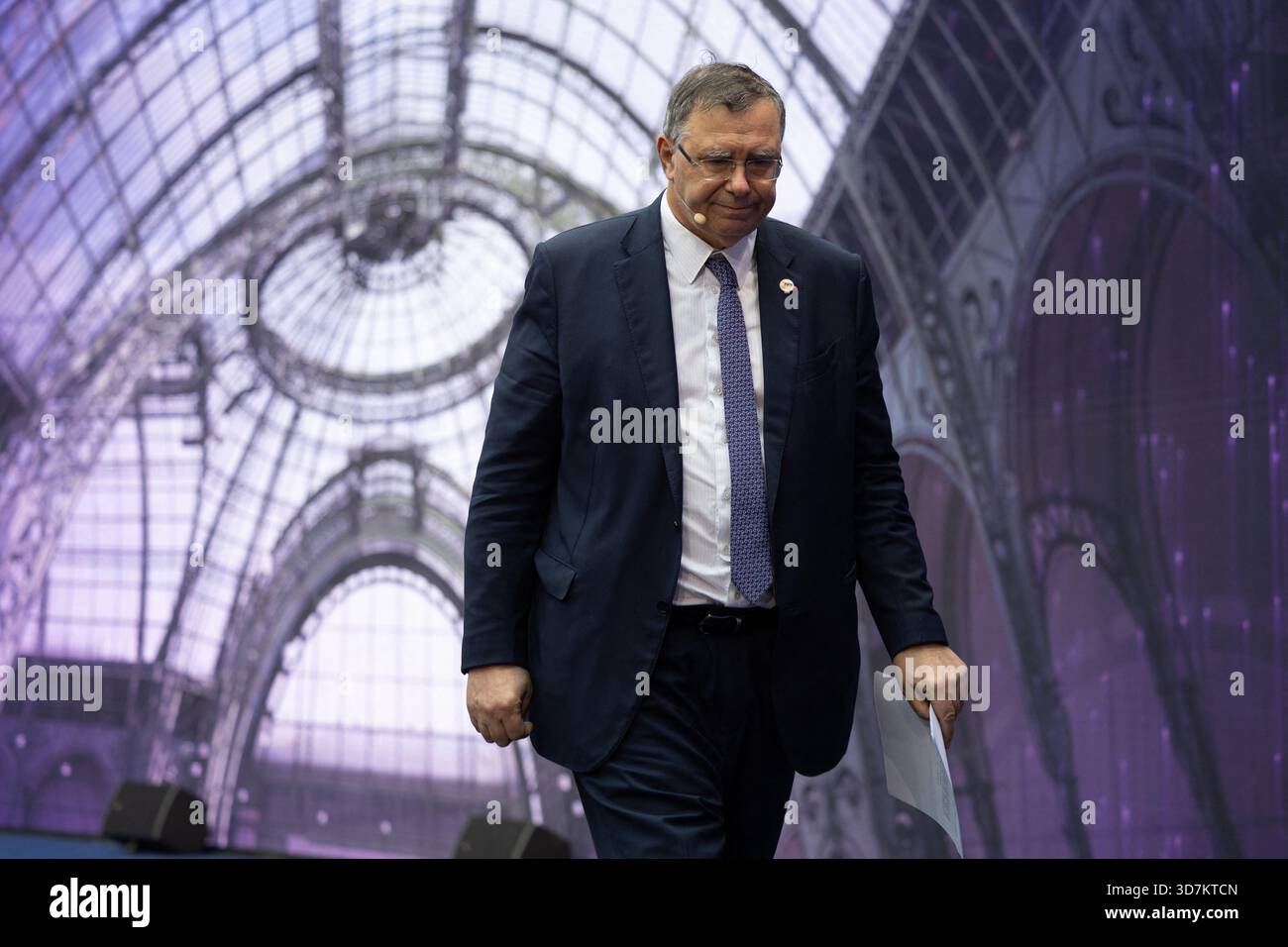
The retention of his dual role provides the company with a stable hand as it executes large-scale capital projects. However, the narrowness of the support for the status quo means that Pouyanné and the board will likely face continued pressure to demonstrate that the current structure does not compromise the board’s ability to provide objective oversight. Future shareholder meetings are expected to remain a primary venue for this debate, with governance reform remaining a recurring item on the agenda.
The outcome of this vote suggests that TotalEnergies will continue to operate under its current centralized leadership model for the foreseeable future. Investors will now look toward the company’s quarterly performance and its ability to meet its strategic milestones as a way to validate whether this leadership structure remains the most effective way to manage the complexities of the modern energy landscape.
The next major checkpoint for shareholders will be the release of the company’s next interim financial report and the subsequent analysis of its strategic progress, which will likely inform the discussions during the next annual general meeting.
Do you believe the dual role of Chairman and CEO is essential for energy companies navigating the transition, or does it pose too great a risk to oversight? Share your thoughts in the comments below and share this article with your professional network.
Worth a look