US Shifts Tariff Strategy with Cuts to Steel, Aluminium and Copper Derivatives
Washington D.C. – In a move signaling a recalibration of US trade policy, the administration has announced reductions in duty rates applied to a range of steel, aluminium, and copper derivative products. Although the initial announcement framed the changes as an effort to simplify a complex tariff regime, the broader implications for global trade and domestic industries are now coming into focus. The adjustments, effective immediately, come amidst ongoing scrutiny of the Section 122 tariffs and their impact on the US economy.
The move represents a notable shift from the more protectionist stance adopted in recent years, particularly concerning metals. For months, industry analysts have debated the effectiveness of the existing tariffs, with concerns raised about their contribution to inflationary pressures and disruptions to supply chains. The reductions are expected to alleviate some of these pressures, potentially lowering costs for manufacturers and consumers alike. The trade-weighted average US tariff rate is currently 13.0% under Section 122 at 15%, a rise from 11.4% at 10% and 8.1% after the IEEPA strike-down, according to recent analysis.
Understanding the Scope of the Tariff Adjustments
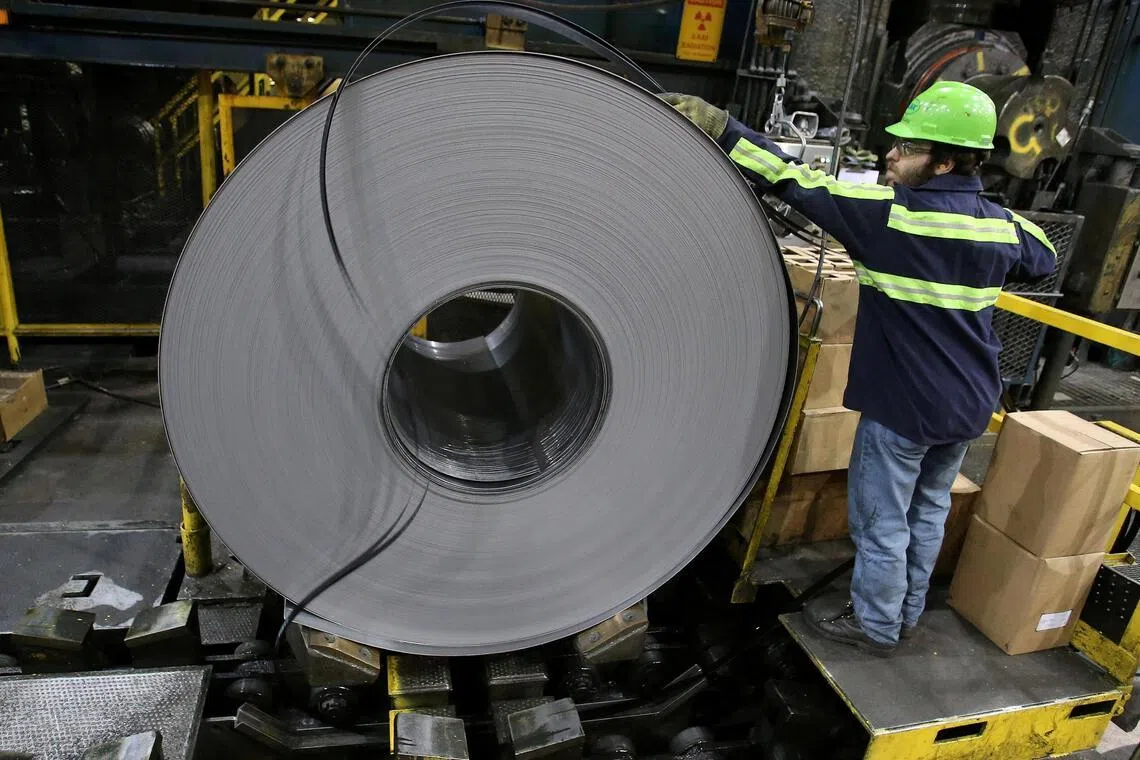
The specific details of the tariff cuts reveal a targeted approach. Reductions are focused on intermediate goods – those used in the production of other products – rather than finished goods. This suggests the administration is aiming to bolster the competitiveness of US manufacturers by reducing their input costs, without directly exposing them to increased competition from imports. The cuts apply to a variety of derivative products, including specialized steel alloys, certain aluminium sheets, and refined copper used in electronics and construction.
The changes are particularly noteworthy in the context of the ongoing debate surrounding Section 122 tariffs, which impose a surcharge on most US imports. These tariffs, raised from 10% to 15% on February 22, 2026, are set to remain in effect for 150 days, as of February 24, 2026. The administration has indicated that the cuts to steel, aluminium, and copper derivatives are intended to operate within the framework of Section 122, offering targeted relief while maintaining the broader protective measures.
The Impact on Key Industries
The automotive industry is poised to be a significant beneficiary of the tariff reductions. Steel and aluminium are critical components in vehicle manufacturing, and lower input costs could translate into more affordable vehicles for consumers. Similarly, the construction industry, which relies heavily on steel and copper, is expected to see some relief from rising material costs.
However, the impact will not be uniform across all sectors. Domestic producers of steel, aluminium, and copper may face increased competition from imports, potentially leading to reduced profits and job losses. The administration has acknowledged this potential downside and has pledged to monitor the situation closely, offering support to affected industries if necessary. The Presidential 2025 Tariff Actions timeline details previous tariff actions and related statements, providing context for the current adjustments.
The De Minimis Rule and E-Commerce Considerations
While the tariff cuts primarily target industrial inputs, the broader landscape of US trade policy is also shaped by the ongoing debate surrounding the de minimis rule. For decades, US customs law allowed goods with a declared value of less than $800 to enter the country duty-free and with simplified customs processing. This rule fueled the explosive growth of direct-to-consumer cross-border e-commerce, enabling platforms like Shein, AliExpress, and Temu to thrive.
However, the Trump administration suspended the de minimis exemption as part of broader trade enforcement efforts, and the Biden administration has continued the suspension. This has significantly increased the cost and complexity of importing small parcels, impacting both consumers and e-commerce businesses. The suspension of the de minimis rule, as detailed in reports from Peacock Tariff Consulting, has reshaped supply chains and raised questions about the future of cross-border e-commerce. The combination of the duty exemption and simplified processing previously meant minimal shipping costs and regulatory burdens, allowing sellers to offer low prices to American consumers.
Broader Economic Implications and Global Trade Relations
The tariff adjustments are occurring against a backdrop of heightened geopolitical tensions and evolving global trade dynamics. The US is engaged in ongoing trade negotiations with several countries, and the tariff cuts could be seen as a gesture of goodwill, aimed at fostering closer economic ties. However, some trading partners may view the changes as insufficient, particularly those who have been subject to significant tariffs in the past.
The long-term economic implications of the tariff cuts remain to be seen. Economists are divided on whether the benefits will outweigh the costs. Some argue that lower input costs will stimulate economic growth and create jobs, while others warn that increased imports could lead to job losses in domestic industries. The effectiveness of the policy will depend on a variety of factors, including the response of global markets, the actions of trading partners, and the overall health of the US economy.
Key Takeaways
- The US has reduced duty rates on select steel, aluminium, and copper derivative products.
- The cuts are targeted at intermediate goods, aiming to lower costs for US manufacturers.
- The adjustments operate within the framework of existing Section 122 tariffs.
- The de minimis rule remains suspended, impacting cross-border e-commerce.
- The long-term economic impact of the tariff cuts is uncertain.
The administration is expected to provide further details on the tariff adjustments in the coming weeks, including a comprehensive assessment of their potential impact on various industries. The next key date to watch is May 23, 2026, when the 150-day period for the Section 122 surcharge is scheduled prompting a review of its continued necessity.
We encourage readers to share their perspectives on these developments and to engage in a constructive dialogue about the future of US trade policy. Your comments and insights are valuable as we continue to cover this evolving story.