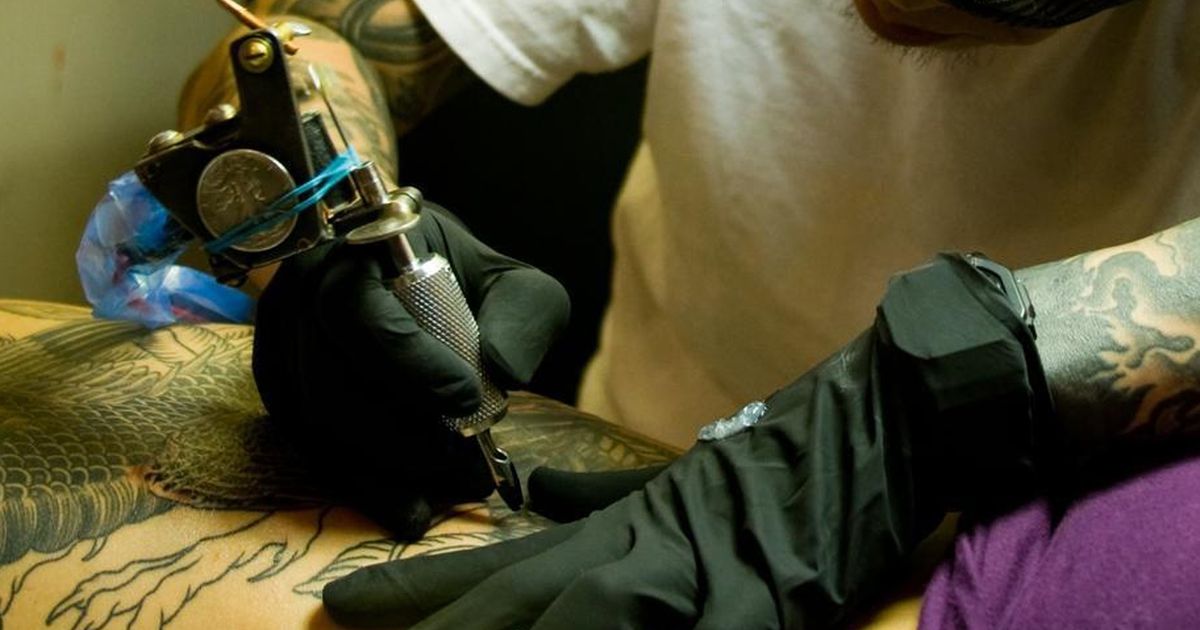
In recent years, tattoos have become a common form of self-expression, with millions of people worldwide choosing to adorn their skin with permanent ink. Yet, as the initial excitement fades, many individuals find themselves reconsidering their decision. What begins as a symbol of confidence or personal meaning can, over time, evolve into a source of regret—especially when the tattoo no longer aligns with one’s identity, profession, or evolving life circumstances.
This growing phenomenon has sparked increased attention not only on the emotional impact of tattoo regret but also on the rising demand for safe and effective removal methods. Across Europe and beyond, clinics specializing in laser tattoo removal are reporting higher consultation rates, driven by individuals seeking to erase ink that no longer serves them. Yet, alongside this demand comes a critical concern: the risks associated with unqualified practitioners offering removal services without proper medical oversight.
According to dermatological research cited by skin health professionals, approximately one in ten people globally has at least one tattoo. Of those, about one in three express some level of regret over their tattoo. Despite this widespread sentiment, only a small fraction—roughly one in a hundred tattooed individuals—actually pursue removal. This gap between regret and action highlights both the perceived barriers to removal and the importance of accessible, trustworthy information about safe procedures.
Laser therapy remains the most widely recognized and effective method for tattoo removal. Among the available technologies, picosecond lasers—such as the PicoWay system—have emerged as a leading option due to their ultra-short pulse duration, which allows for more precise targeting of ink particles while minimizing damage to surrounding skin. These advanced lasers break down pigment into finer fragments that the body’s immune system can gradually eliminate, often requiring fewer sessions than older nanosecond lasers and reducing the risk of scarring or hypopigmentation.
However, the success and safety of laser tattoo removal depend heavily on three key factors: the type of laser used, the experience and qualifications of the practitioner, and proper aftercare. Clinics that invest in certified technology and employ trained medical professionals—such as dermatologists or licensed skin therapists—tend to achieve better outcomes with fewer complications. In contrast, procedures performed by untrained individuals using substandard equipment carry a significantly higher risk of adverse effects, including incomplete ink removal, persistent discoloration, and permanent scarring.
Recent investigations have highlighted troubling cases where individuals seeking tattoo removal were harmed by unregulated operators. In several reported incidents, clients underwent treatments at unlicensed facilities that lacked proper hygiene protocols or medical supervision, resulting in burns, infections, and lasting skin damage. These outcomes underscore the importance of verifying credentials before undergoing any laser procedure. Reputable clinics typically provide transparency about their practitioners’ qualifications, the specific laser technology in use, and realistic expectations regarding the number of sessions needed based on ink color, depth, and individual skin response.
For those considering tattoo removal, consulting a qualified dermatologist or medical laser specialist is strongly advised. A professional evaluation can determine whether the tattoo is amenable to treatment, estimate the likely number of sessions, and identify any potential risks based on skin type or medical history. Some pigments—particularly greens, blues, and yellows—can be more resistant to certain laser wavelengths, requiring specialized approaches. Individuals with darker skin tones may need tailored settings to avoid hyperpigmentation or hypopigmentation, reinforcing the need for personalized care.
Beyond the physical aspects, the emotional journey of tattoo removal should not be overlooked. Many people describe a sense of relief or closure after completing the process, particularly when the tattoo was associated with a demanding chapter in their lives. Others may choose to modify or cover up an existing tattoo rather than remove it entirely, opting for a fresh design that better reflects their current self. Both paths require thoughtful consideration and, ideally, guidance from experienced professionals who prioritize safety and informed consent.
As demand for tattoo removal continues to grow, so does the need for public awareness about what constitutes safe, ethical, and effective treatment. Regulatory bodies in various countries are increasingly scrutinizing aesthetic clinics to ensure compliance with health and safety standards. In the Netherlands, for example, specialized centers have emphasized their adherence to strict protocols, use of FDA-cleared or CE-marked lasers, and collaboration with medical experts to maintain high-quality care.
Those interested in learning more about safe tattoo removal practices can consult resources from recognized dermatological associations or licensed medical clinics that provide evidence-based information. While the decision to remove a tattoo is deeply personal, ensuring access to accurate, verified information helps individuals produce choices that support both their physical well-being and emotional health.
As of now, there are no upcoming regulatory changes or public hearings specifically related to tattoo removal standards in the European Union that have been officially announced. Individuals seeking updates are encouraged to monitor announcements from national health authorities or professional dermatological organizations.
If you’ve experienced tattoo regret or are considering removal, sharing your thoughts can help others navigate similar decisions. We welcome your comments and encourage you to share this article to promote awareness about safe and informed approaches to tattoo modification and removal.
Keep reading