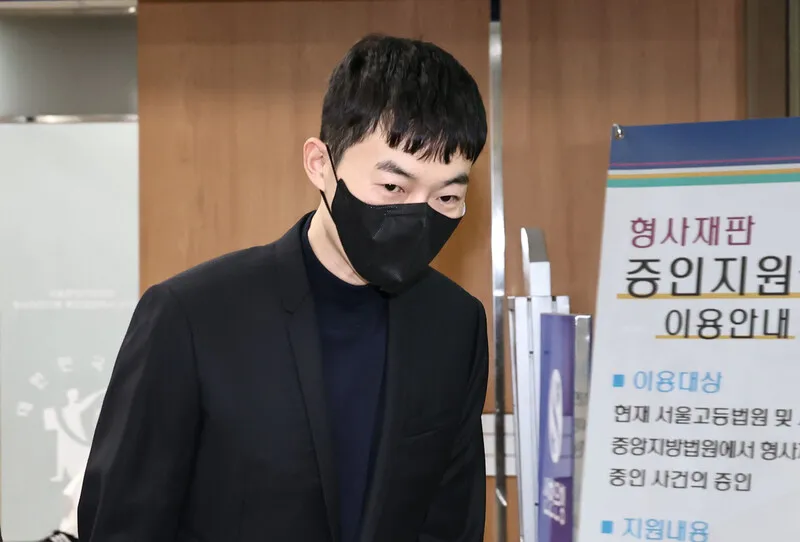
On April 24, 2026, South Korean educator and prominent private tutor Woo Jin-hyun, widely known as “Woo Woo-jin” in the test preparation industry, appeared in Seoul Central District Court for the first hearing in a case alleging violations of the country’s Improper Solicitation and Graft Act, commonly referred to as the Kim Young-ran Act.
The prosecution alleges that between March 2020 and May 2023, Woo Jin-hyun, in collaboration with an employee of his publishing company’s textbook development division, paid approximately 422 million won (around $315,000 USD) to three current high school mathematics teachers in exchange for providing test questions used in national college entrance exam (Suneung) mock tests.
According to court documents referenced in multiple South Korean news reports, Woo Jin-hyun is also accused of transferring an additional 75 million won through the spouse of one of the teachers to obscure the nature of the transactions.
During the initial court proceeding, Woo Jin-hyun’s legal team maintained that the payments were legitimate compensation for contracted work under formal agreements, asserting that taxes were duly paid on all transfers and that the arrangement constituted a standard business practice in educational content development.
“We provided payment for test questions under signed contracts, fulfilled all tax obligations, and conducted transactions transparently via bank transfer,” stated Woo’s defense counsel, as reported by Yonhap News Agency. “This was not graft but a legitimate procurement of academic materials necessary for producing quality study resources for students.”
The defense further emphasized that Woo Jin-hyun’s role as a mathematics educator carries an inherent responsibility to ensure students have access to high-quality preparatory materials, framing the disputed transactions as part of his professional duty rather than an illicit exchange.
Similar positions were taken by the two teachers named as co-defendants, who acknowledged receiving payments but insisted the sums were lawful remuneration for services rendered under agreed-upon terms, not bribes or improper inducements.
The Kim Young-ran Act, enacted in 2016, prohibits public officials and private school teachers from accepting over 1 million won in a single transaction or more than 3 million won annually from any one source. Violations can result in administrative penalties, criminal charges, fines up to three times the value of the illicit benefit, and potential imprisonment of up to five years.
Legal experts note that the case hinges on whether the court determines the payments exceeded reasonable market value for test question development or were structured to circumvent the law’s reporting thresholds—a determination that will require scrutiny of contract terms, payment timing, and the educational value of the materials exchanged.
As of the date of the first hearing, no verdict has been rendered. The next procedural step in the case is anticipated to be the presentation of additional evidence by both prosecution and defense, with a subsequent hearing expected to address the validity of the contractual agreements and the nature of the educational services provided.
For ongoing updates on this case, readers may refer to official communications from the Seoul Central District Court or follow reporting from verified news agencies covering judicial proceedings in South Korea.
We invite readers to share thoughtful perspectives on the intersection of educational ethics, private tutoring practices, and regulatory oversight in the comments below. If you found this analysis informative, please consider sharing it with others interested in developments in global education policy and professional accountability.
Keep reading