Rising Tensions Spill Over: Football Matches Affected by Geopolitical Conflict
Recent events demonstrate how deeply the ongoing conflict in Gaza is impacting the world of sports, specifically football (soccer). Several high-profile matches have faced cancellation or been subjected to stringent security measures, raising concerns about safety, political expression, and the role of authorities in managing sporting events. This article provides a extensive overview of the situation, examining the key incidents and the responses from clubs, governing bodies, and governments.
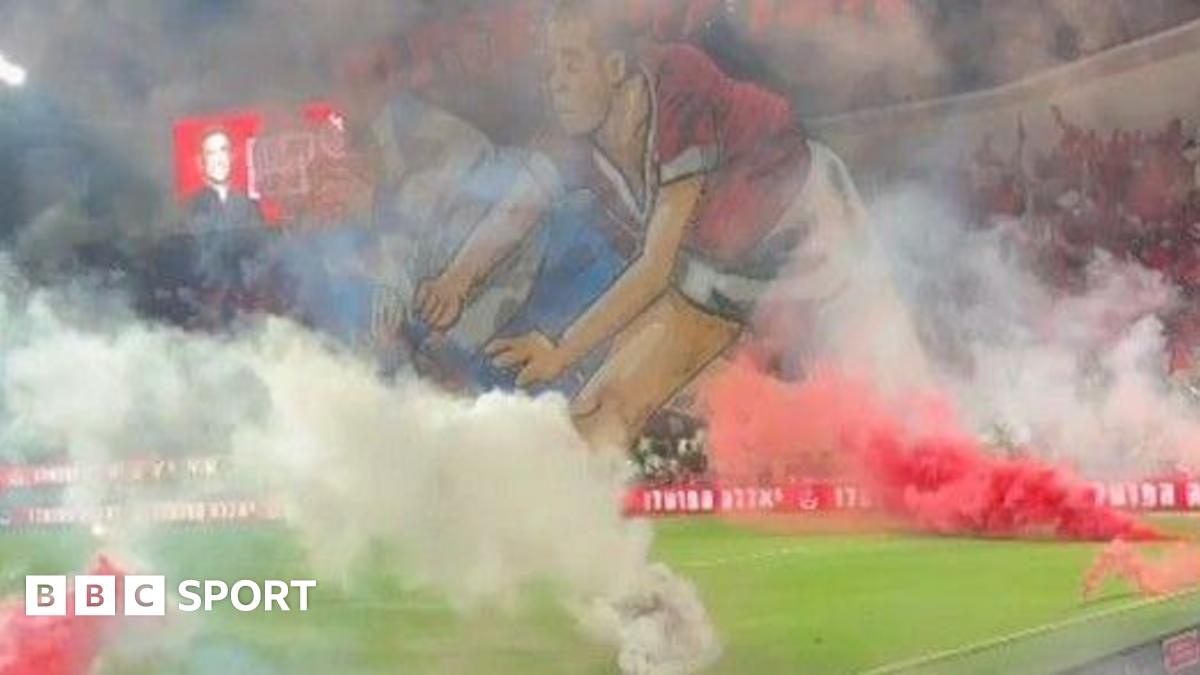
The Cancelled Tel Aviv Derby: A Point of Contention
Hapoel Tel Aviv has strongly criticized the decision to cancel the highly anticipated Tel Aviv derby. The club accused israeli police of overreach, stating they were “preparing for a war, not a sporting event.” This accusation stems from the perceived heavy-handedness of security preparations leading up to the match.
Hapoel Tel Aviv released a statement on X (formerly Twitter) outlining their concerns, alleging the police had effectively taken control of the sport. Maccabi Tel Aviv,their rivals,have yet to publicly comment beyond confirming the match’s cancellation.
UK Match Restrictions: Maccabi Tel aviv Fans Banned from Aston Villa Game
The fallout extends beyond Israel. Birmingham’s Safety Advisory Group (SAG) made the controversial decision to ban Maccabi Tel Aviv fans from attending their match against Aston Villa on November 6th. This decision has ignited widespread criticism and prompted intervention from the UK government.
currently, the government is actively working to overturn the ban. They are also evaluating what additional resources are needed to ensure the fixture can proceed safely, should the ban be lifted.
Stewards and Security Concerns at Aston Villa
Adding to the complexity, Aston Villa informed its matchday stewards that their services weren’t required for the game. The club acknowledged that some stewards may have had concerns about working the match, a clear indication of the heightened anxieties surrounding the event.
West Midlands Police has publicly supported the ban, classifying the fixture as “high risk.” This classification is based on intelligence gathered and a history of incidents.
Precedent for Concern: Past Clashes and Protests
This isn’t an isolated incident. Authorities point to previous clashes between fans as justification for the increased security measures.Specifically, violent confrontations and hate-crime offenses occurred between Ajax and Maccabi Tel Aviv supporters in Amsterdam in November 2024, resulting in over 60 arrests.
Furthermore, protests related to the war in Gaza have already disrupted several sporting events. These demonstrations occurred during recent World Cup qualifiers featuring Israel against Norway and Italy, highlighting the growing intersection of sports and political activism.
What Does This Mean for the Future?
These events raise several critical questions:
* Balancing Security and access: How can authorities ensure the safety of fans and players without unduly restricting access to sporting events?
* Political Expression in Sport: To what extent should political statements and protests be allowed within the confines of a sporting arena?
* The Role of Governing Bodies: What responsibility do football governing bodies have in addressing geopolitical tensions that impact their games?
* Impact on Fan Experience: How do these security measures and cancellations affect the overall fan experience and the spirit of the game?
you can expect increased scrutiny of security protocols at future matches involving teams with connections to the ongoing conflict. Moreover, the debate surrounding political expression in sports will likely intensify. Ultimately, finding a balance between safety, freedom of expression, and the integrity of the game will be crucial for navigating these challenging times.
Keep reading