
Tennessee Governor Bill Lee has officially called a special legislative session to review and potentially redraw the state’s congressional map, a move that follows intense pressure from President Donald Trump and U.S. Senator Marsha Blackburn. The effort aims to reconfigure the state’s House districts, specifically targeting the Democratic stronghold in Memphis to potentially eliminate the state’s only remaining Democratic-held seat.
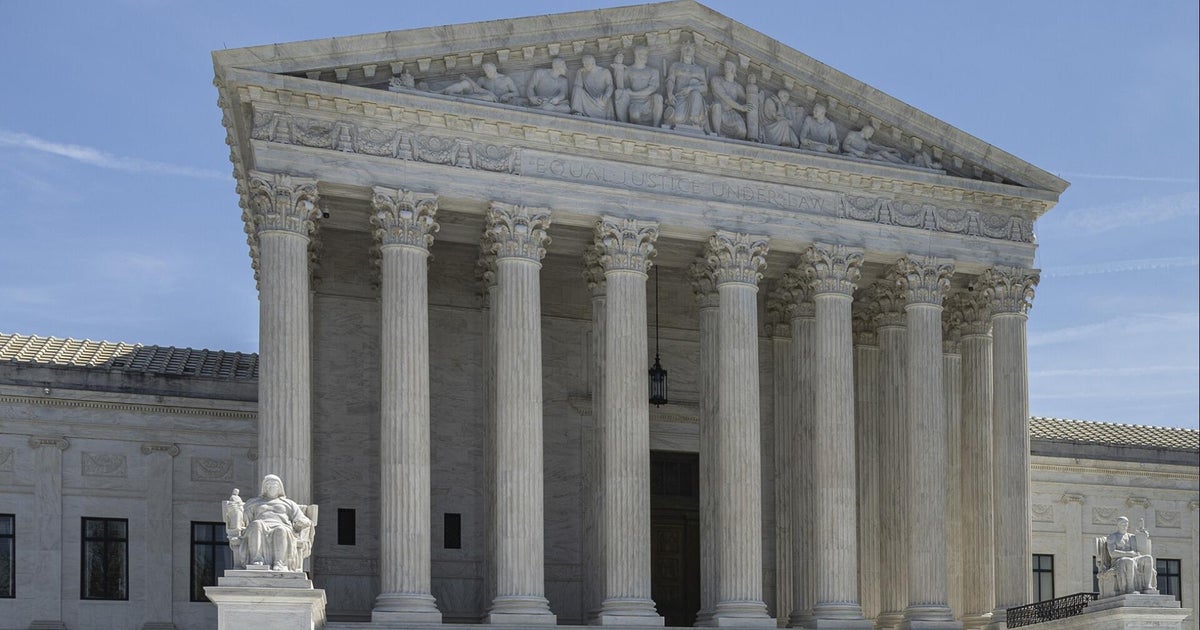
The push for a new map comes in the immediate wake of a recent U.S. Supreme Court decision that narrowed the application of the Voting Rights Act. According to reports from USA Today, the court struck down a requirement for certain southern states to maintain specific Black-majority congressional districts, providing a legal opening for Republican lawmakers to challenge existing boundaries.
The objective of the proposed redistricting is to create a 9-0 Republican advantage in Tennessee’s U.S. House delegation. By splitting the majority-minority district centered in Memphis, GOP allies hope to ensure that all nine congressional seats in the state lean Republican ahead of the 2026 midterm elections.
The Catalyst: Supreme Court Ruling and Federal Pressure
The momentum for the special session accelerated after a 6-3 Supreme Court ruling that impacted voting rights and redistricting mandates. This judicial shift has prompted a scramble across multiple southern states, including Alabama, to re-evaluate their congressional maps. In Tennessee, U.S. Senator Marsha Blackburn has been a primary advocate for the change, proposing a map that would divide the state into nine Republican-leaning districts (USA Today).

President Donald Trump has also intervened, using social media to signal his support for the move. On April 30, 2026, Trump posted on Truth Social that he had a highly good conversation
with Governor Lee regarding the need to correct the unconstitutional flaw in the Congressional Maps of the Great State of Tennessee
, as reported by WSMV.
Although the President claimed that Governor Lee promised to work toward cracking the Memphis stronghold, initial reports from USA Today noted that Lee was initially noncommittal about whether such a specific pledge had been made. However, the subsequent call for a special session indicates that the governor is moving forward with a formal review of the boundaries.
Impact on Memphis and Minority Representation
The primary target of the redistricting effort is the state’s sole majority-minority district, which currently provides the only Democratic representation for Tennessee in the U.S. House of Representatives. By redrawing these lines, the GOP seeks to dilute the voting power of the Democratic base in Memphis, effectively absorbing that representation into surrounding Republican-leaning areas.
Advocates for the redraw argue that the current maps contain flaws that need correction. Conversely, critics and voting rights organizations view the move as a direct attempt to disenfranchise Black voters by eliminating the only district designed to ensure minority representation in Congress. This tension reflects a broader national battle over the interpretation of the Voting Rights Act and the legality of “racial gerrymandering” versus “partisan gerrymandering.”
Key Details of the Redistricting Effort
- Proposed Outcome: A 9-0 Republican split in the U.S. House delegation.
- Primary Target: The Democratic-held congressional seat in Memphis.
- Legal Basis: A recent Supreme Court ruling narrowing Voting Rights Act requirements.
- Key Drivers: President Donald Trump and U.S. Senator Marsha Blackburn.
What Happens Next for Tennessee Lawmakers
The Tennessee General Assembly will now convene for the special session called by Governor Lee. During this period, legislators will review the existing congressional map and consider the proposed changes suggested by GOP leadership and Senator Blackburn. The session’s primary focus will be determining if the current map violates the revised standards set by the Supreme Court and whether a new map can be legally sustained.
Given the GOP’s supermajority in the state legislature, the passage of a new map is seen as highly likely, provided it can withstand immediate legal challenges from civil rights groups and Democratic lawmakers. The timing is critical, as any changes must be finalized and certified well before the 2026 election cycle to avoid prolonged litigation that could depart seats in limbo.
The state has a recent history of redistricting battles. On December 10, 2025, the Tennessee Supreme Court rejected state constitutional challenges to redistricting statutes for the state House and Senate in the case of Gary Wygant, et al. V. Bill Lee, Governor, et al. (Tennessee Administrative Office of the Courts). This previous ruling may provide a legal framework or precedent for how the state handles the current congressional map dispute.
The next confirmed checkpoint is the commencement of the special legislative session, where the General Assembly will formally deliberate on the proposed map revisions. Updates on the specific dates of the hearings and the presentation of the new maps are expected to be released through official state channels at TN.gov.
Do you believe redistricting should be handled by independent commissions rather than state legislatures? Share your thoughts in the comments below or share this article to join the conversation on voting rights.