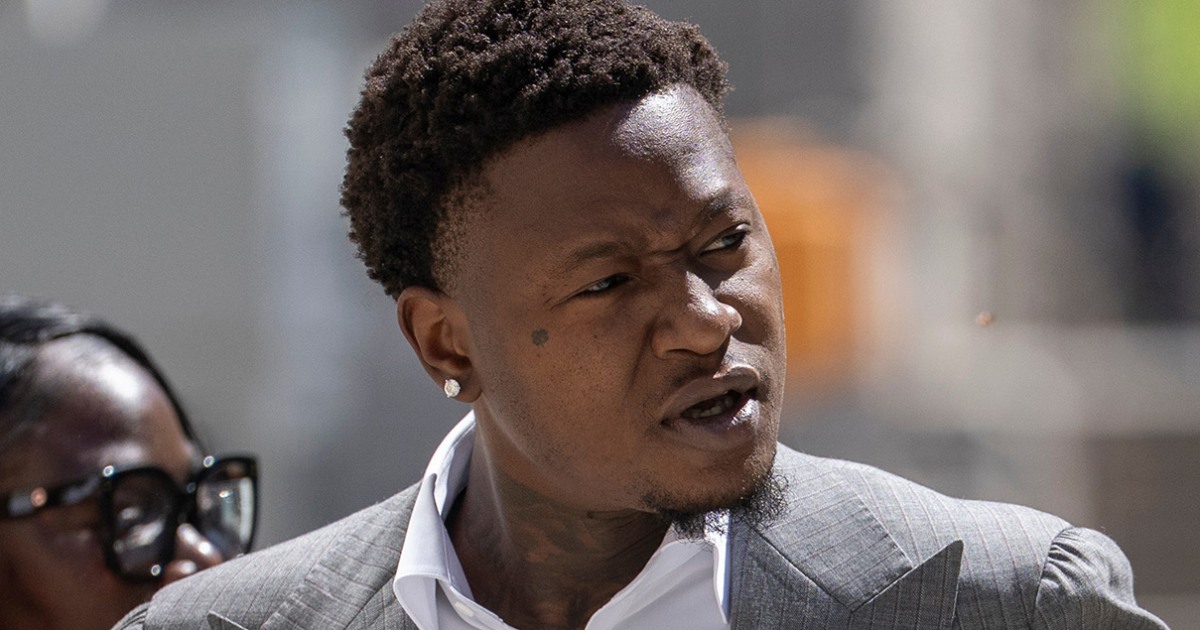
In a significant legal development impacting the landscape of professional sports contracts, an arbitrator has issued a ruling concerning Miami Heat player Terry Rozier. The decision, which centers on allegations regarding a sports gambling investigation, carries profound implications for the athlete’s compensation, mandating the forfeiture of a substantial portion of his $26 million annual salary. This ruling highlights the increasing scrutiny surrounding professional athletes’ off-court conduct and the rigid enforcement of morality and conduct clauses embedded within standard NBA player contracts.
The arbitrator’s finding indicates that Rozier failed to uphold his contractual obligations to the Miami Heat. While Rozier has officially pleaded not guilty in the ongoing sports gambling probe, the arbitration process operates under a different set of evidentiary standards than criminal proceedings, allowing the team to pursue financial recourse despite the absence of a criminal conviction. This distinction is critical for understanding why a player may face severe professional consequences while still maintaining their innocence in a court of law.
Understanding the Intersection of Conduct and Compensation
At the heart of this dispute is the interplay between the Uniform Player Contract—the standard agreement governing all NBA players—and the specific conduct policies mandated by the league and individual franchises. NBA players are subject to strict regulations regarding integrity, which are designed to protect the reputation of the sport and its commercial partners. When an arbitrator determines that a player has breached these “good faith” obligations, teams are often empowered to withhold salary or seek damages, provided the procedural requirements of the Collective Bargaining Agreement (CBA) are met.
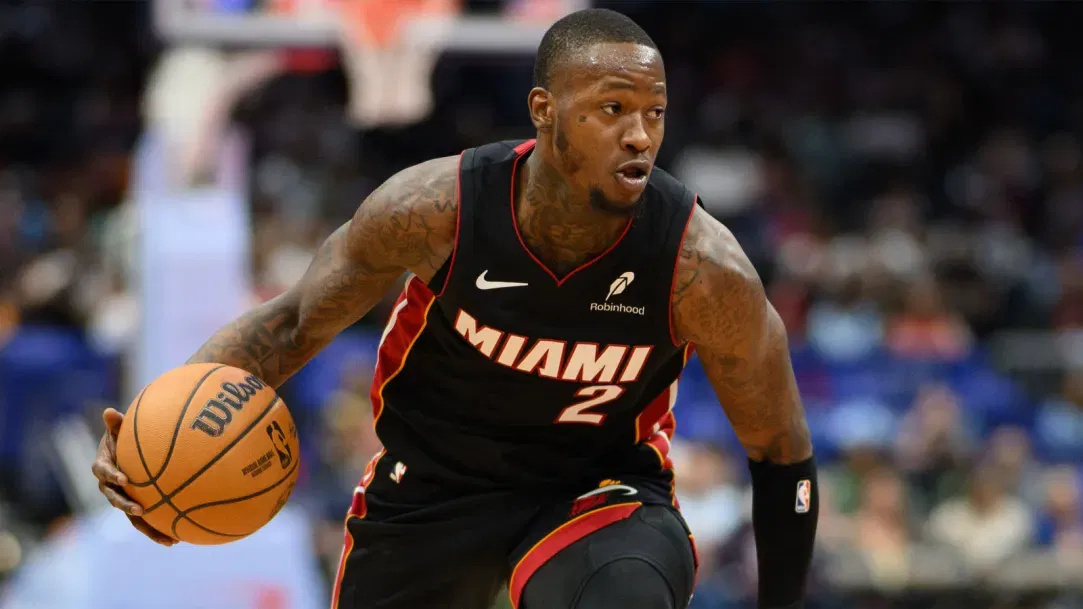
For high-earning athletes, the financial impact of such a ruling is immediate, and severe. The forfeiture of a significant share of a $26 million salary serves as a stark reminder of the risks associated with non-compliance with team regulations. Legal experts note that while players have avenues for appeal, the deferential nature of arbitration in sports law makes overturning such decisions a notoriously difficult task. The ruling underscores the shift toward a more litigious environment where team owners and executives are increasingly willing to leverage contract law to mitigate reputational risk.
The Role of Arbitration in Modern Sports Law
Arbitration serves as the primary mechanism for resolving disputes between players, teams, and the league, effectively bypassing the public court system for most contractual matters. This process is favored by sports organizations for its efficiency and confidentiality, though it remains a point of contention for labor advocates who argue that it can limit a player’s ability to defend their reputation fully. In this instance, the arbitrator’s focus remained strictly on the breach of service obligations rather than the underlying criminal allegations.
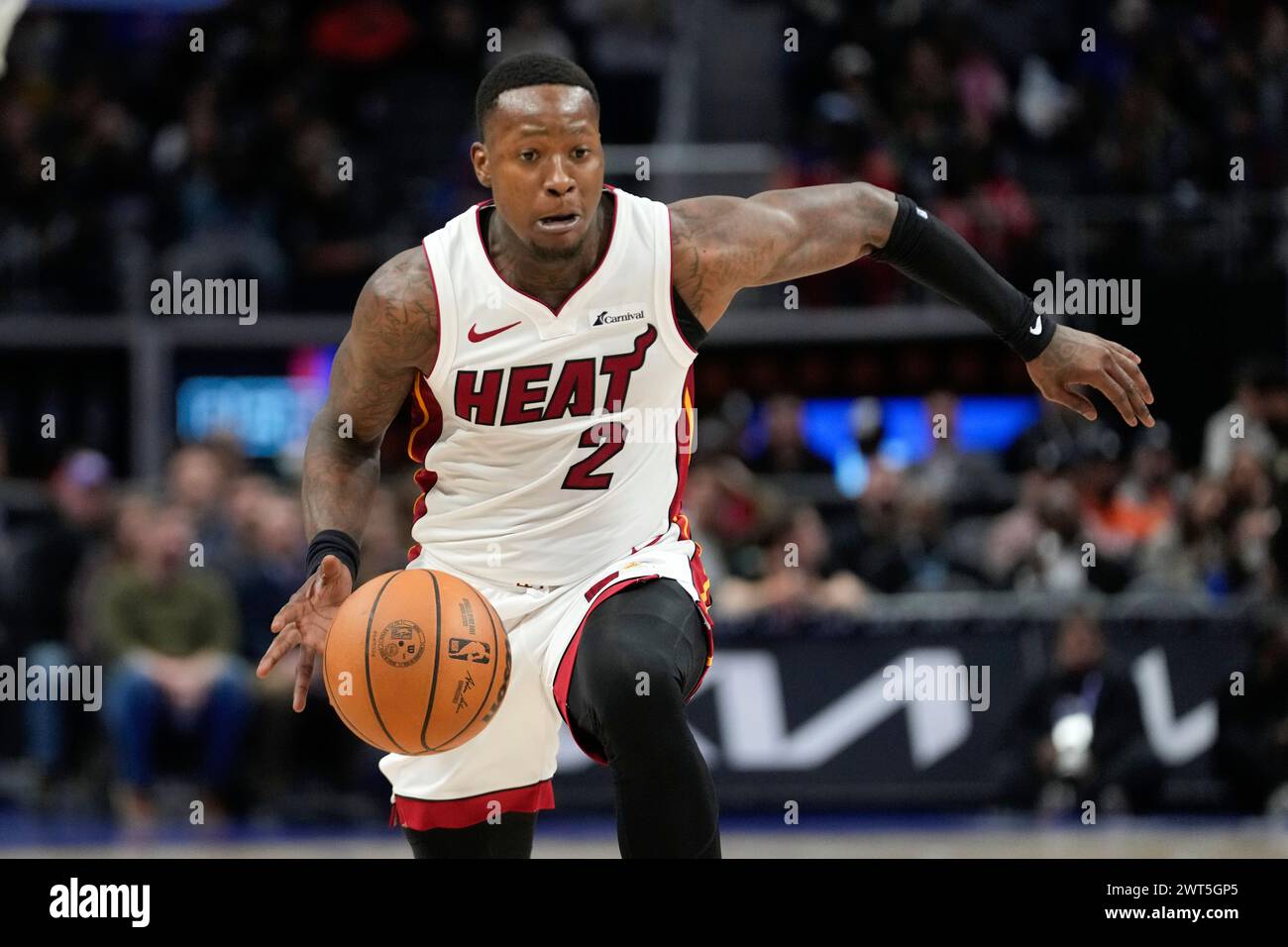
The legal team representing Rozier has maintained that the forfeiture is unjust, citing the ongoing nature of the sports gambling investigation. However, the arbitrator’s decision suggests that the mere existence of the investigation, coupled with evidence of actions that violated team policy, was sufficient to trigger the forfeiture clauses. As the sports industry continues to grapple with the expansion of legalized gambling, this case is likely to serve as a bellwether for how teams handle similar conduct issues in the future.
What Happens Next for the Miami Heat and Rozier
With the arbitration ruling finalized, the immediate focus shifts to the administrative implementation of the salary forfeiture. The Miami Heat are expected to adjust their payroll obligations in accordance with the arbitrator’s directive, a process that must be reported to the league office to ensure compliance with the NBA’s salary cap regulations. For the team, this move provides a degree of financial relief, but it also creates a significant distraction as they navigate the remainder of their competitive season.
Terry Rozier’s camp has yet to announce if they will seek a judicial review of the arbitrator’s decision, an uphill battle that would require proving procedural impropriety or a manifest disregard for the law. As the broader investigation into sports gambling continues to evolve, fans and analysts alike are watching closely to see if further disciplinary actions will be taken by the league office itself, independent of the team-level arbitration. The next scheduled update in the criminal proceedings involving the gambling probe is expected to clarify whether the legal burden of proof will shift, potentially impacting the long-term validity of the arbitrator’s current findings.
We will continue to provide updates on this developing story as more information becomes available through official court filings and league statements. Readers are encouraged to share their thoughts in the comments section below or join the conversation on our social media channels.
Worth a look