
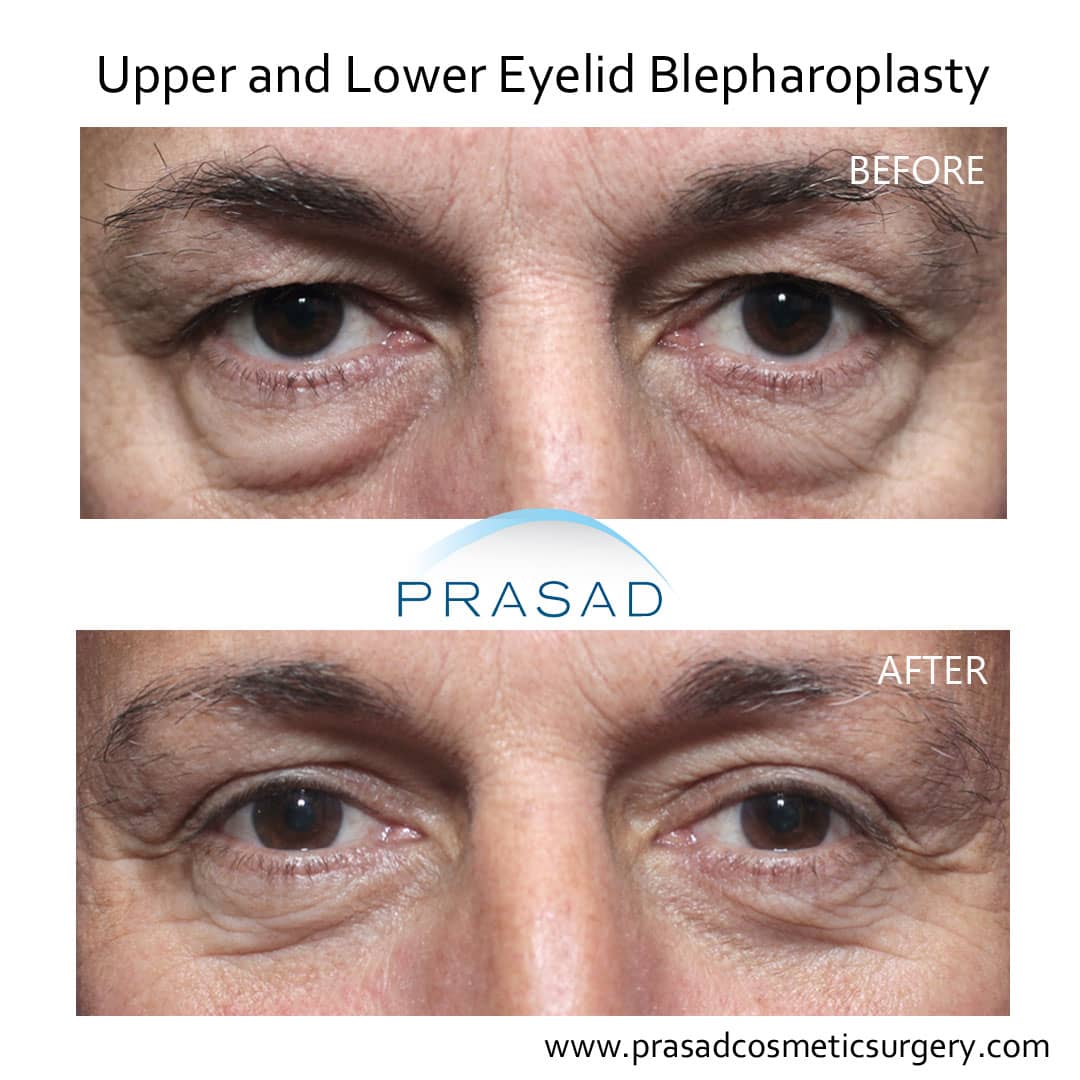
As the conversation surrounding aesthetic procedures continues to evolve, many patients in their 30s and 40s are reconsidering the necessity of more invasive surgical interventions. Vanessa Lee, the founder of the aesthetic clinic The Things We Do, has recently highlighted a shift in how practitioners and patients alike approach facial rejuvenation. For those noticing the early signs of aging around the eyes, jumping straight to an upper blepharoplasty—a surgical procedure to remove excess eyelid skin—may not always be the most appropriate first step.
In the world of facial plastic surgery, the upper blepharoplasty has long been a standard recommendation for addressing a tired or heavy appearance caused by sagging skin. However, as medical aesthetics advance, the focus is increasingly turning toward non-surgical alternatives that can provide meaningful results without the downtime associated with surgery. Understanding the anatomy of the aging eye is essential for patients looking to make informed decisions about their aesthetic journey.
Understanding the Shift in Facial Rejuvenation
The upper blepharoplasty is a well-established cosmetic procedure aimed at rejuvenating the upper eyelid region, particularly as skin naturally loosens and sags over time, often creating a heavy or fatigued look according to experts in the field. While surgery remains a definitive option for significant skin laxity, there is a growing consensus that individuals in their 30s and 40s may find success with less invasive methods. This shift is driven by a desire for more conservative, “natural” results that maintain the structural integrity of the face rather than altering it.
When considering any cosmetic enhancement, it is vital to distinguish between treatments that address skin quality and those that address structural volume loss or excess tissue. For younger patients, the “tired” appearance is often not the result of excess skin alone, but rather a combination of factors, including brow positioning and volume loss in the surrounding periorbital area.
Non-Surgical Alternatives to Consider
For those looking to avoid the operating room, several non-surgical interventions have gained traction. These treatments often focus on skin tightening, collagen stimulation and strategic volume replacement:
- Neuromodulators: Often used to subtly lift the brow, which can alleviate the appearance of heaviness in the upper eyelid without surgical excision.
- Energy-Based Devices: Technologies that utilize radiofrequency or ultrasound to tighten the skin can provide a modest lift and improvement in skin texture.
- Strategic Dermal Fillers: By addressing volume loss in the temples or the brow bone area, practitioners can create a more youthful contour that reduces the appearance of a hooded eyelid.
- Medical-Grade Skincare: Consistent use of retinoids and peptides remains a cornerstone for maintaining skin elasticity and preventing premature sagging.
Why Timing Matters in Aesthetic Planning
The decision to undergo surgery in one’s 30s or 40s is a significant one. Because surgical results are often intended to be long-lasting, performing them too early can sometimes complicate future interventions. Experts often suggest that patients focus on “prejuvenation”—the practice of using preventative treatments to delay the need for more invasive procedures. By maintaining skin health and addressing volume loss early, patients can often postpone surgical needs by a decade or more.
It is important to consult with a board-certified plastic surgeon or a qualified aesthetic provider to determine the root cause of your concerns. A professional assessment can help differentiate between concerns that require surgical removal of skin and those that can be managed through non-invasive maintenance. Always prioritize providers who emphasize a conservative approach and can clearly explain the risks and benefits of any chosen intervention.
The Importance of Professional Consultation
Before proceeding with any aesthetic treatment, patient safety and realistic expectations are paramount. Whether you are considering a non-surgical lift or a formal blepharoplasty, ensure that your provider is properly credentialed and experienced in the specific technique you are discussing. Understanding the anatomy of the eyelids—which are among the most delicate areas of the face—is critical to achieving a result that looks natural and restores a youthful appearance rather than creating an artificial aesthetic.

As we look toward the remainder of 2026, the trend toward thoughtful, personalized aesthetic care is expected to continue. Patients are increasingly seeking practitioners who act as long-term partners in their wellness and beauty goals, rather than seeking quick fixes. By focusing on skin quality and subtle, layered treatments, many individuals are finding they can achieve their aesthetic goals with far less downtime than previously imagined.
If you are exploring your options, start by researching the credentials of your local providers and scheduling a consultation to discuss your specific concerns. Remember that there is no one-size-fits-all solution, and what works for one patient may not be the optimal path for another. Stay informed, ask questions about the longevity of any treatment, and prioritize your long-term facial health above all else.
Have you considered non-surgical alternatives for facial rejuvenation, or are you curious about the recovery process for eyelid procedures? Share your thoughts and experiences in the comments section below, and subscribe to our newsletter for the latest updates in beauty and aesthetic trends.
Worth a look