
The concept of the “smart home” is undergoing a fundamental transformation. For years, the term has been synonymous with voice-activated assistants, connected thermostats, and automated lighting. However, as the global energy landscape shifts toward decentralization and decarbonization, the next frontier of home automation is not found in how we control our lights, but in how we generate, store, and manage the very electrons that power our lives.
Tesla, a company that has already disrupted the automotive and battery storage sectors, is now aggressively repositioning itself as a central player in the residential energy market. By treating solar energy not as a standalone hardware installation but as a cohesive, connected ecosystem, the company is targeting a new generation of homeowners. This demographic views energy not as a passive utility provided by a distant power plant, but as a manageable digital asset that can be optimized for both cost, and sustainability.
At the heart of this strategy is a design philosophy that prioritizes aesthetic integration, seamless software control, and hardware synergy. From low-profile solar panels that minimize visual impact to the sophisticated intelligence of the Powerwall storage system, Tesla is attempting to bridge the gap between heavy industrial electrical equipment and sleek, consumer-ready home technology. This evolution reflects a broader trend in the renewable energy sector: the transition from simple power generation to intelligent energy management.
The Aesthetic of Efficiency: Low-Profile Design and Solar Integration
One of the primary barriers to residential solar adoption has historically been aesthetic. Traditional solar arrays, often characterized by bulky frames and visible mounting hardware, can clash with the architectural integrity of many modern homes. Recognizing this, Tesla has focused on hardware that emphasizes a “low-profile” footprint, aiming to make renewable energy generation nearly invisible or, at the very least, architecturally sympathetic.
The company offers two primary paths for residential solar: traditional solar panels and the more integrated Tesla Solar Roof. While standard solar panels are designed to sit as flush as possible against the roofline to reduce wind loading and visual clutter, the Solar Roof represents a more radical approach. In this model, the solar cells are integrated directly into the roofing tiles themselves, functioning as both a protective building material and a power generation system. This distinction is crucial for homeowners who prioritize curb appeal alongside energy independence.
This emphasis on design is not merely superficial. By reducing the height and profile of the installation, manufacturers can improve the aerodynamic properties of the roof and reduce the mechanical stress placed on the mounting structures. As residential solar technology matures, the industry is seeing a move away from “add-on” components toward “integrated” building systems, where energy generation is a built-in feature of the home’s envelope.
Powerwall: The Intelligence Behind the Energy Ecosystem
Generation is only half of the equation in a modern energy strategy. Because solar production is intermittent—peaking at midday and disappearing at night—the ability to store excess energy is essential for true residential autonomy. This is where the Tesla Powerwall enters the ecosystem, acting as the “brain” and the “reservoir” for the home’s electrical supply.
The latest iterations of Tesla’s storage technology, such as the Powerwall 3, have introduced significant technical advancements that simplify the home energy stack. One of the most notable improvements is the integration of a high-efficiency solar inverter directly into the battery unit. In traditional setups, solar panels, inverters, and batteries are often separate components from different manufacturers, requiring complex wiring and multiple points of failure. By integrating these elements, Tesla has streamlined the hardware chain, reducing installation complexity and increasing system reliability.
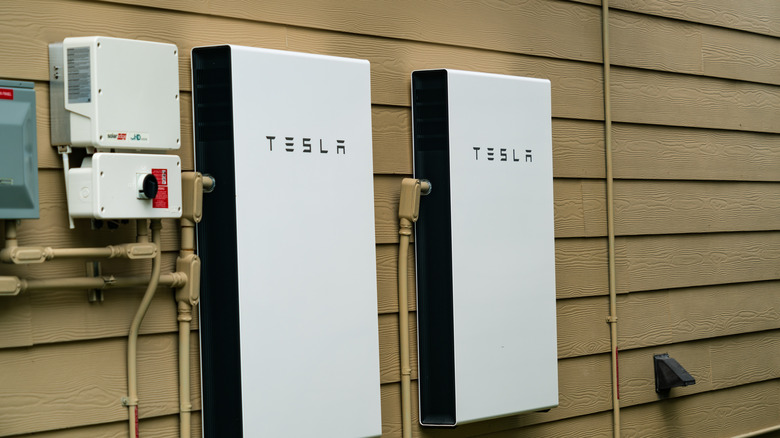
The Powerwall does more than just provide backup power during a grid outage. In a sophisticated smart home environment, it manages the “load shifting” process. This involves storing energy when solar production is high or when utility rates are low, and then discharging that energy during peak demand periods when electricity is most expensive. This capability transforms the home from a simple consumer of energy into an active participant in the energy market, a concept often referred to as a “prosumer” model.
The Role of Energy Storage in Grid Stability
The impact of these residential systems extends beyond the individual household. As more homes adopt solar and storage, they create a distributed network of energy resources. Through programs like “Virtual Power Plants” (VPPs), utilities can tap into a collective pool of residential batteries to stabilize the grid during periods of extreme demand. This reduces the need for “peaker plants”—often the most expensive and polluting fossil fuel plants—and helps prevent widespread blackouts.
Software-Driven Management: The Tesla App and Real-Time Control
In the modern era, hardware is only as effective as the software that manages it. Tesla has leveraged its deep expertise in software engineering to ensure that its energy products are as intuitive to use as a smartphone. The Tesla app serves as the centralized command center for the entire residential energy system, providing homeowners with unprecedented visibility into their energy consumption and production patterns.
Through the app, users can monitor real-time data, including:
- Current Solar Generation: How much power the panels are producing at any given moment.
- Battery State of Charge: The current capacity and health of the Powerwall system.
- Home Consumption: A granular breakdown of how much electricity various household circuits are using.
- Grid Interaction: Whether the home is currently pulling energy from the utility or exporting excess solar power back to the grid.
This level of transparency allows for more informed decision-making. For example, a user might notice that their electric vehicle (EV) charging is consuming a disproportionate amount of energy during peak hours and adjust their charging schedule via the app to coincide with peak solar production. This seamless integration of data and control is a hallmark of the “connected home” and is a key differentiator in the competitive residential energy market.
Streamlining the Transition: Overcoming Installation Barriers
Despite the technological advantages, the installation of residential solar and storage has traditionally been a fragmented and often frustrating process for consumers. It typically involves multiple contractors, complex permitting, and significant architectural modifications. Tesla has sought to address this by creating a more streamlined, vertically integrated installation process.
By controlling much of the hardware and the software, the company aims to reduce the friction points that often lead to project delays. A more standardized installation process not only lowers the cost of labor but also ensures that the system is optimized for the specific hardware being used. However, scaling these standardized processes across diverse geographic regions and varying local building codes remains one of the most significant operational challenges for the company.
As the industry moves forward, the goal for many providers is to move toward a “plug-and-play” model, where the complexity of the electrical engineering is abstracted away from the homeowner, leaving them with a simple, reliable, and aesthetically pleasing energy solution.
Comparison: Solar Panels vs. Solar Roof
For homeowners deciding between traditional solar installations and integrated roofing, the choice often comes down to a balance of cost, aesthetics, and long-term value. The following table outlines the primary differences between the two approaches.
| Feature | Traditional Solar Panels | Tesla Solar Roof |
|---|---|---|
| Primary Function | Energy generation only. | Energy generation + Roofing material. |
| Aesthetic Impact | Visible mounting and frames. | Seamless, integrated tile appearance. |
| Installation Complexity | Installed on existing roof. | Requires full roof replacement. |
| Initial Cost | Generally lower. | Generally higher (due to roofing value). |
| Durability | Dependent on mounting and roof. | Designed as a primary building component. |
The Broader Context: Electrification and the Future of the Home
The push for residential solar is part of a larger, systemic shift toward total home electrification. As we move away from natural gas heating and toward electric heat pumps, and as internal combustion engines are replaced by EVs, the demand for domestic electricity is expected to rise significantly. Solar and storage are no longer “luxury” additions; they are becoming foundational components of a resilient home infrastructure.
the rise of Vehicle-to-Home (V2H) technology promises to integrate the electric vehicle into this ecosystem as well. In a V2H setup, a parked EV can act as a massive mobile battery, providing backup power to the home during an outage or helping to manage energy loads during peak times. When combined with solar panels and a Powerwall, the EV becomes a critical node in a highly sophisticated, multi-layered energy management system.
Key Takeaways for Homeowners
- Integration is Key: The most efficient systems are those where solar, storage, and software work in concert rather than as disparate parts.
- Storage is Essential: To maximize the value of solar, a battery system like the Powerwall is necessary to manage intermittency and peak pricing.
- Aesthetics Matter: Modern designs, such as low-profile panels and integrated tiles, help overcome the visual barriers to solar adoption.
- Data Drives Savings: Utilizing app-based monitoring allows homeowners to actively manage their energy use and reduce utility costs.
Frequently Asked Questions
How long do Tesla solar panels typically last?
While specific lifespans can vary based on environmental conditions and maintenance, most high-quality solar panels are designed to operate efficiently for 25 to 30 years. Tesla’s systems are built to withstand various weather conditions, though regular inspections are recommended.

Is solar and storage worth the investment?
The Return on Investment (ROI) depends on several factors, including local electricity rates, available government incentives (such as the Federal Investment Tax Credit in the U.S.), and your specific energy consumption patterns. In many regions, the combination of solar and storage can significantly reduce or even eliminate monthly utility bills over time.
Can a Powerwall protect my home during a blackout?
Yes. When configured correctly, the Powerwall can automatically detect a grid outage and switch your home to battery power, providing essential electricity to your most critical circuits until solar production or grid power returns.
As regulatory frameworks and energy markets continue to evolve, the role of residential energy technology will only grow. For those interested in the latest developments regarding Tesla’s energy deployments and utility-scale integrations, official updates are typically provided through Tesla’s investor relations and energy product announcements.
What do you think about the shift toward integrated home energy systems? Is aesthetic design a deciding factor for you when considering renewable energy? Let us know in the comments below and share this article with your network.
Keep reading