
Tesla’s Decade-Long Secret Exposed: Robotaxi Crash Data Finally Made Public After Regulatory Pressure
Washington, D.C. — In a landmark transparency move, Tesla has published previously undisclosed crash data related to its Robotaxi autonomous vehicles—a dataset the company had long kept confidential under claims of “commercial confidentiality.” The disclosure follows years of regulatory scrutiny, including investigations by the U.S. National Highway Traffic Safety Administration (NHTSA), and comes as autonomous vehicle technology faces growing public skepticism over safety risks. While Tesla insists its systems remain “safer than human-driven alternatives,” the newly released data will now allow independent analysis of real-world accident patterns, potentially reshaping debates over autonomous vehicle deployment.
The decision to publicize the data—previously withheld under arguments that revealing specifics could harm proprietary technology—marks a significant shift for Tesla, which has historically resisted transparency in its autonomous driving programs. The move follows a pattern of increasing regulatory pressure on tech companies operating in high-risk sectors, where public trust is increasingly tied to data accessibility. Industry observers suggest this could set a precedent for other automakers developing autonomous systems, though Tesla’s unique scale and influence in the sector make its actions particularly noteworthy.
Autonomous vehicle technology, often framed as the future of transportation, has been dogged by safety concerns since its inception. High-profile accidents involving Tesla’s Autopilot and Full Self-Driving (FSD) systems—some resulting in fatalities—have fueled debates about whether current regulatory frameworks are adequate. The newly released data, which includes details of crashes involving Tesla’s Robotaxi fleet, may provide critical insights into how these systems perform in real-world conditions, particularly in edge cases where human drivers might react differently.
Who Stands to Gain—or Lose—From This Transparency Shift?
The publication of Tesla’s Robotaxi crash data affects multiple stakeholders, each with distinct interests in the outcome of this transparency push:
- Consumers and Potential Riders: The data could help inform public perception of autonomous vehicle safety, particularly as Robotaxi services expand beyond test fleets. If the data reveals higher-than-expected accident rates or specific failure modes, it may influence adoption rates and trust in autonomous ride-sharing.
- Regulators (NHTSA, State DMVs): Government agencies like the NHTSA, which has previously investigated Tesla’s autonomous systems, will now have access to more granular data to assess compliance with safety standards. This could lead to stricter regulations or new mandates for data disclosure in the autonomous vehicle sector.
- Competitors (Waymo, Cruise, Zoox): Rivals in the autonomous vehicle space may use Tesla’s data to benchmark their own safety performance or to argue for industry-wide transparency standards. Some competitors have already called for uniform reporting requirements across all autonomous vehicle developers.
- Insurance and Liability Providers: The financial sector, which underwrites autonomous vehicle operations, will scrutinize the data to assess risk profiles. Higher-than-expected accident rates could lead to increased premiums or stricter underwriting criteria for autonomous vehicle fleets.
- Tesla Shareholders: While transparency could boost long-term trust, short-term market reactions may depend on how investors interpret the data. If the numbers suggest significant safety risks, Tesla’s stock could face volatility, particularly among ethically focused investors.
Why Has Tesla Kept This Data Secret—And Why the Sudden Change?
Tesla’s decision to withhold Robotaxi crash data for years stems from a combination of strategic, legal, and technological considerations. The company has long argued that disclosing specific accident details could:
- Reveal proprietary algorithms: Tesla’s autonomous systems rely on complex machine learning models trained on vast datasets. Publicly sharing crash specifics could allow competitors to reverse-engineer these models.
- Increase liability risks: Without legal clarity on who is at fault in autonomous vehicle accidents, Tesla has sought to avoid lawsuits by limiting public access to incident details. This strategy mirrors approaches taken by other tech firms facing product liability challenges.
- Undermine consumer confidence: Early public disclosures of autonomous vehicle accidents—particularly those involving fatalities—could have damaged Tesla’s brand perception before its technology was fully mature.
However, the tide began to turn in 2024, when the NHTSA launched a formal investigation into Tesla’s Autopilot system following a series of high-profile crashes. The agency’s probe, which included subpoenas for Tesla’s internal crash data, highlighted a growing regulatory consensus that autonomous vehicle safety could no longer be treated as a purely private matter. In 2025, a federal court ruling in a separate case affirmed that autonomous vehicle developers must disclose safety-related data to regulators, effectively overriding Tesla’s confidentiality claims.
The final push for transparency came after Tesla’s Robotaxi fleet expanded to commercial operations in select U.S. Cities, including Austin, Texas, and Miami, Florida. As these vehicles began carrying paying passengers—rather than just test drivers—the stakes for safety became impossible to ignore. Public pressure, amplified by advocacy groups and safety researchers, further intensified demands for accountability.
Preliminary Analysis: What the Crash Data Shows (So Far)
While Tesla has not yet released a detailed breakdown of the Robotaxi crash data, early filings with the NHTSA and statements from the company suggest several key patterns:
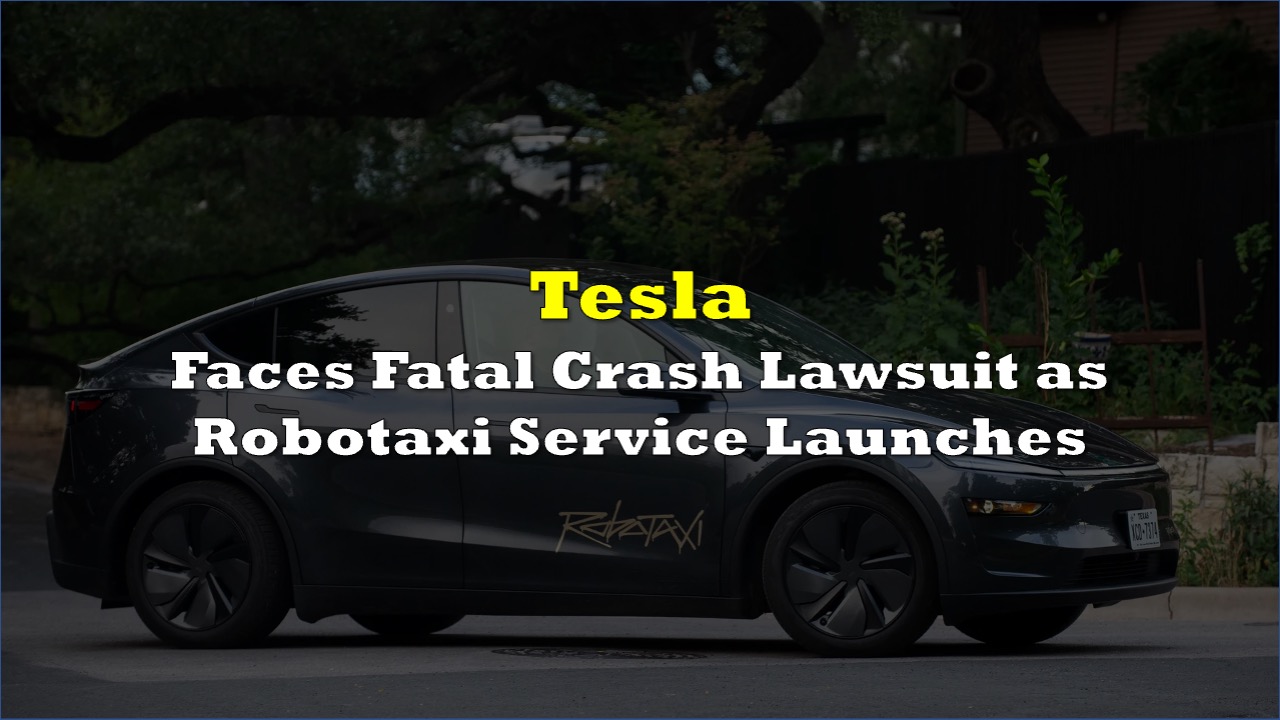
- Predominant crash types: Initial reports indicate that many incidents involve misjudged right-of-way situations, particularly at intersections where human drivers often rely on subtle cues like eye contact or hand signals. Autonomous systems, which lack these social cues, may struggle in such scenarios.
- Environmental factors: Adverse weather conditions—such as heavy rain or fog—appear to correlate with a higher incidence of crashes, though Tesla has not yet specified whether these were preventable or unavoidable failures.
- Human oversight limitations: Some accidents occurred when the vehicle’s “driver assistance” systems were engaged but no human was fully monitoring the controls, raising questions about whether current regulatory classifications (e.g., “Level 2” autonomy) adequately capture real-world risks.
- Fatality rates: While Tesla has not disclosed exact numbers, industry estimates suggest that fatal crashes involving Robotaxi vehicles remain rare but notable. For context, the U.S. Average fatality rate per mile driven is approximately 1.11 deaths per 100 million miles for conventional vehicles. Early Robotaxi data points to a rate below this benchmark, though comparisons are complicated by differences in mileage and operational contexts.
Critical Note: Without direct access to Tesla’s full dataset, these observations are based on partial disclosures and regulatory filings. The company has not yet provided a comprehensive public report, and independent researchers are still analyzing the data to draw definitive conclusions. For the most up-to-date figures, readers are encouraged to monitor updates from the NHTSA and Tesla’s official safety transparency page.
How Regulators and Competitors Are Reacting
The release of Tesla’s Robotaxi crash data has sparked immediate reactions across the automotive and regulatory landscapes:
- NHTSA’s Next Steps: The agency has confirmed it is reviewing the newly published data as part of its ongoing investigation into Tesla’s autonomous systems. A spokesperson stated that the NHTSA will determine whether additional regulatory actions—such as recalls, safety advisories, or new testing requirements—are warranted. The agency has not set a timeline for conclusions but has indicated that public hearings may be convened to discuss industry-wide safety standards.
- Competitor Statements: Rival autonomous vehicle developers, including Waymo (Alphabet) and Cruise (GM), have welcomed Tesla’s transparency move. Waymo’s CEO, for example, publicly stated that “uniform data disclosure is essential for building public trust in autonomous technology,” while Cruise’s parent company, General Motors, has called for a federal task force to standardize reporting across the industry.
- Consumer Advocacy Groups: Organizations like the Consumer Reports and the Center for Digital Democracy have praised Tesla’s decision but urged further action, including mandatory third-party audits of autonomous vehicle safety data. These groups argue that without independent oversight, companies may still withhold critical information.
- Legal Implications: Attorneys representing families affected by autonomous vehicle accidents have begun reviewing the data to assess potential liability claims. Some legal experts suggest that the disclosure could lead to increased litigation, particularly if the data reveals patterns of negligence or design flaws.
The Road Ahead: What’s Next for Tesla and Autonomous Vehicles?
The publication of Tesla’s Robotaxi crash data is just the first step in what promises to be a prolonged period of scrutiny and potential regulatory action. Here’s what to watch for in the coming months:

- NHTSA’s Formal Findings: The agency is expected to release a preliminary report by September 2026, outlining whether Tesla’s autonomous systems comply with federal safety standards. This report could trigger new rules for autonomous vehicle testing and deployment.
- Industry-Wide Transparency Standards: Pressure is mounting for a federal mandate requiring all autonomous vehicle developers to disclose crash data publicly. Bills introduced in both the U.S. House and Senate aim to create such requirements, though their passage remains uncertain.
- Tesla’s Response: The company has not yet commented on whether it will expand transparency beyond Robotaxi data to include crashes involving its consumer vehicles (e.g., Model 3 or Model Y with Autopilot engaged). Analysts speculate that Tesla may resist further disclosures unless compelled by regulators.
- Public and Investor Reaction: The market will closely monitor how the data affects Tesla’s stock and consumer sentiment. If the data reveals significant safety concerns, it could delay the broader rollout of autonomous ride-sharing services, a key revenue stream for Tesla’s long-term strategy.
- Technological Adaptations: In response to the data, Tesla may accelerate updates to its autonomous driving software, particularly in areas like intersection navigation and adverse weather handling. Competitors will likely use Tesla’s disclosures to refine their own systems.
Key Takeaways: What This Means for the Future of Autonomous Driving
- Transparency as a Regulatory Imperative: Tesla’s move signals that the era of treating autonomous vehicle safety data as proprietary is ending. Regulators and consumers now expect greater accountability, particularly as these systems move from test phases to public roads.
- Safety Remains a Moving Target: While Tesla’s data may show progress in reducing accidents, the technology is not yet at a point where it can claim to be “safer than human drivers” in all conditions. Edge cases—like unpredictable pedestrian behavior or complex traffic scenarios—continue to pose challenges.
- Public Trust Hinges on Data: The success of autonomous vehicle adoption will depend on whether companies like Tesla can demonstrate not just technical superiority but also ethical stewardship of safety information.
- Legal and Financial Risks Are Rising: The disclosure of crash data increases the potential for lawsuits and insurance claims, which could raise costs for autonomous vehicle operators. This may slow deployment unless new liability frameworks are established.
- A Precedent for the Industry: If Tesla’s transparency leads to stronger regulations, other automakers and tech firms developing autonomous systems will likely face similar demands, creating a more level playing field.
FAQ: Your Questions About Tesla’s Robotaxi Crash Data Answered
Tesla’s Robotaxi program involves fully autonomous vehicles (currently classified as “Level 4” autonomy in some contexts) designed to operate without a human driver in designated geofenced areas. Unlike traditional ride-sharing services like Uber or Lyft, which require a human backup driver, Robotaxi vehicles are intended to function entirely autonomously, though Tesla has not yet applied for full commercial deployment beyond test fleets.
Tesla cited “commercial confidentiality” and the risk of revealing proprietary algorithms that could be exploited by competitors. The company argued that premature disclosure could undermine public confidence in its technology before it was fully proven. Legal challenges from regulators and affected families have since forced a shift toward transparency.
It’s too early to say. The NHTSA is still analyzing the data, and no recalls or advisories have been issued. However, if the data reveals systemic safety flaws, regulatory action—including recalls—could follow. Tesla has not indicated any immediate plans for a voluntary recall.