As global temperatures continue to climb, air conditioning remains a contentious topic in Northern and Western Europe, where the technology is frequently viewed as a symbol of decadence rather than a necessary health intervention. While meteorologists record increasingly frequent heatwaves, a cultural resistance to artificial cooling persists, often framing the installation of air conditioning units as an environmental or social transgression. However, some warn that this persistent stigma, which characterizes climate control as a luxury, may be contributing to avoidable heat-related mortality.
The debate highlights a growing tension between traditional building practices and the realities of a warming climate. In regions where homes were historically designed to retain heat for colder winters, the lack of effective cooling infrastructure poses a significant risk during extreme weather events. Despite these risks, the installation of cooling systems remains a subject of domestic friction and public debate.
The Cultural Divide Over Climate Control
In many parts of the Netherlands and surrounding regions, there is a strong cultural preference for “sober” living, which often extends to the rejection of energy-intensive technologies. Air conditioning is frequently labeled as a “climate crime” or an unnecessary indulgence by those who prioritize energy conservation and natural ventilation. This perspective suggests that society should focus on structural changes—such as better urban planning and building insulation—rather than relying on individual mechanical cooling solutions.

Conversely, advocates for wider air conditioning adoption argue that the “nuchtere” (sober or down-to-earth) Dutch mindset is failing to account for the physical toll of rising temperatures. For many residents, the decision to install an air conditioning unit is not a matter of luxury, but a pragmatic response to the inability of traditional housing to dissipate heat effectively during consecutive days of high temperatures.
Energy Costs and Environmental Impacts
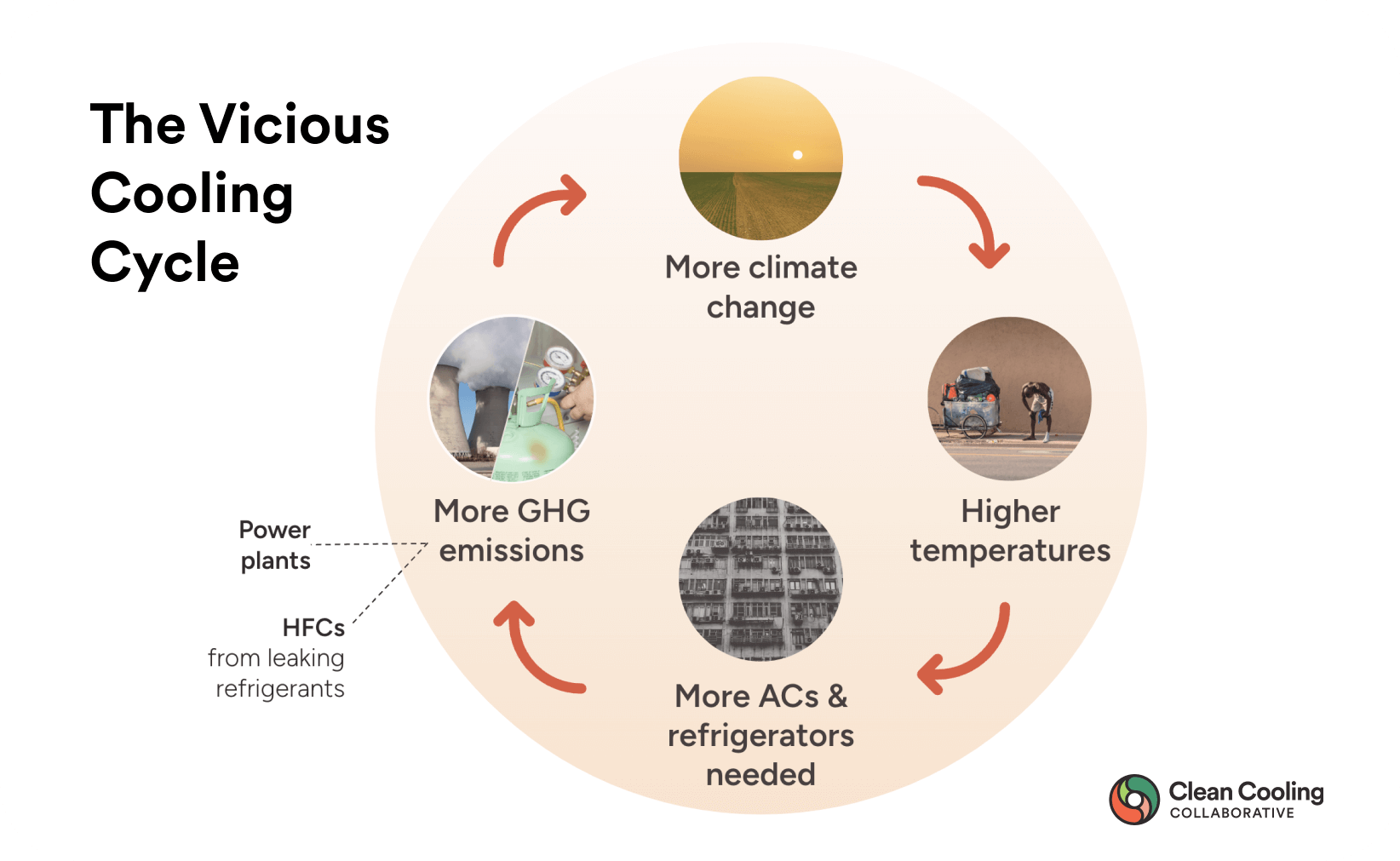
A primary driver of the air conditioning taboo is the concern over energy consumption. Air conditioning units are significant consumers of electricity, which, if not sourced from renewable grids, contributes to the very greenhouse gas emissions that drive global warming. This creates a feedback loop: as the climate warms, the demand for cooling increases, which in turn places more stress on the energy grid and the environment.
However, technology is evolving. Modern inverter-based systems are significantly more efficient than the older, high-consumption models that helped build the reputation of air conditioning as an environmental burden. The challenge lies in balancing the immediate need for human comfort and safety with the long-term imperative of sustainability.
Navigating Domestic and Social Friction
The installation of outdoor air conditioning units has also become a source of neighborly disputes. Issues regarding noise levels, aesthetic impact on historic building facades, and the discharge of warm air into shared urban spaces have led to friction in densely populated cities. Local municipal regulations often dictate where and how these units can be placed, creating a bureaucratic hurdle for residents who are simply trying to manage indoor temperatures.
For those living in apartments or rented properties, the ability to install cooling systems is often constrained by landlord policies or homeowners’ association rules. This creates an equity issue: individuals with the financial means to live in detached, energy-efficient homes or to navigate complex permitting processes are better equipped to protect themselves from heatwaves than those in older, high-density housing. The question of whether air conditioning should be considered a standard utility or a luxury will likely become a focal point for housing policy reform.
Future Outlook and Public Health Guidance
The conversation surrounding heat mitigation is evolving as extreme weather becomes the new norm. Public health agencies are increasingly providing guidance on how to manage indoor environments without relying solely on mechanical cooling, including the use of external shading, night-time ventilation, and the strategic use of fans. However, these measures have limitations during sustained heatwaves where indoor temperatures continue to rise despite passive interventions.
As the next summer season approaches, local governments are expected to revisit heat-action plans. These plans typically include the establishment of “cooling centers” and enhanced outreach to vulnerable citizens. Residents are encouraged to monitor official updates from local health authorities regarding heat alerts and to familiarize themselves with local regulations regarding the installation of cooling equipment. For further information on heat safety and building regulations, residents should consult their municipal government’s official website or relevant national health portals.
This evolving discussion underscores a broader societal shift. As the threshold for what constitutes a “liveable” environment changes, the debate over air conditioning will likely move away from moralizing its use toward finding sustainable, equitable ways to provide thermal comfort for all citizens. We welcome your thoughts on how your community is addressing these challenges; join the conversation in the comments below.
Related reading