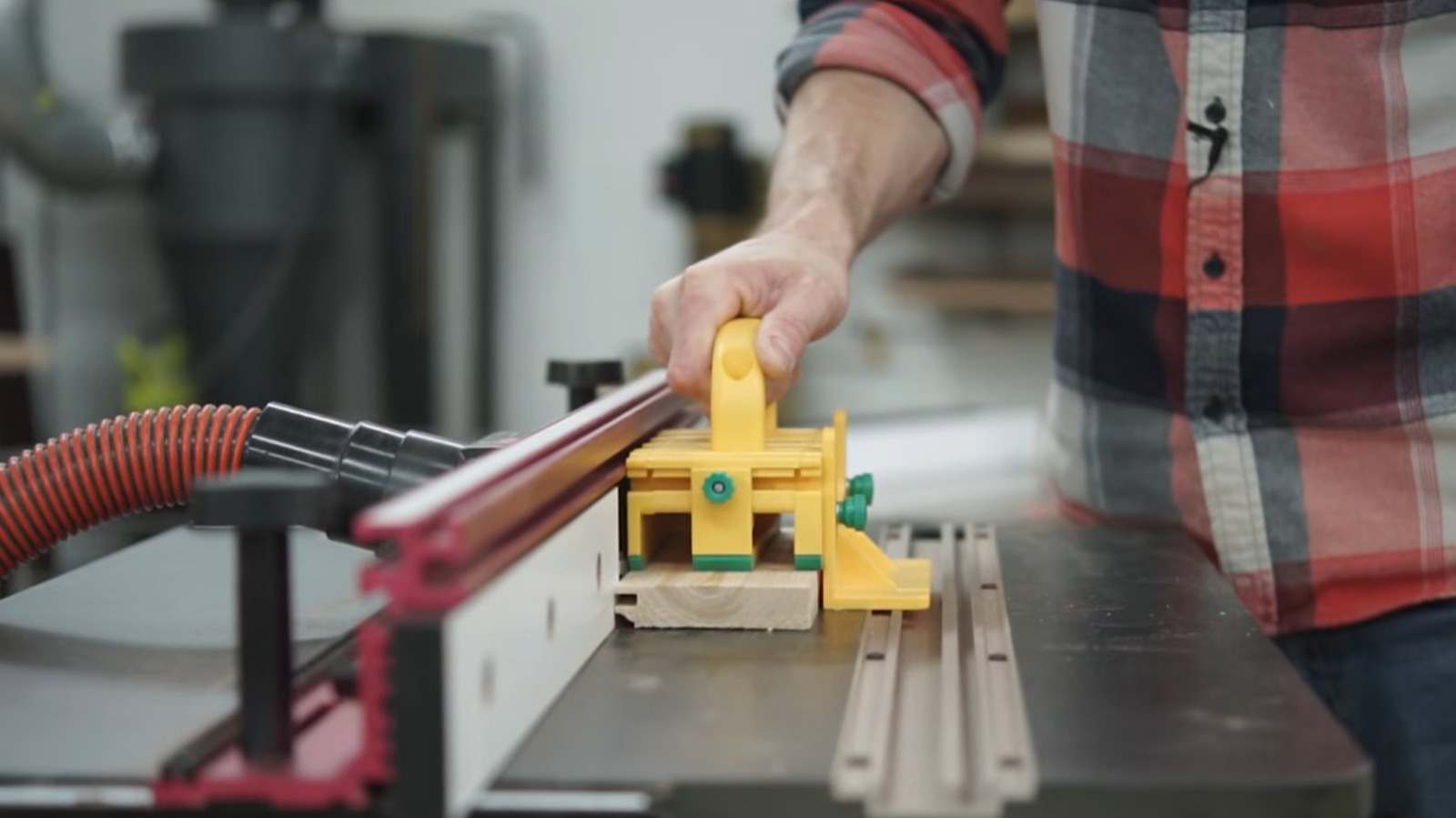
Push sticks and GRS push blocks are low-tech safety tools that prevent hand-to-blade contact by keeping a user’s fingers away from the cutting path of a table saw. These devices, which typically cost between $10 and $30, act as a physical barrier between the operator and the blade, reducing the risk of severe lacerations or amputations during narrow rips or crosscuts.
While modern table saws now feature advanced safety technologies like SawStop’s automatic braking systems, safety experts and professional woodworkers continue to advocate for the use of push sticks. According to the Occupational Safety and Health Administration (OSHA), maintaining a safe distance from the blade is a primary requirement for preventing machinery accidents in workshops.
The primary function of a push stick is to provide the operator with a handle to move the workpiece through the saw without placing their hand in the “danger zone”—the area within 6 inches of the blade. This tool is especially critical when the wood is too narrow to be safely held by hand while using a rip fence.
How do push sticks and push blocks improve table saw safety?
A push stick is a simple piece of hardwood or plastic with a handle, designed to push the wood forward. A push block, such as those manufactured by GRS Tool, typically uses a rubber-bottomed grip to hold the wood flat against the table, providing more downward pressure and control than a simple stick.

The use of these tools addresses the risk of “kickback,” a dangerous occurrence where the wood binds against the blade and is launched back toward the operator. By using a block that keeps the material firmly pressed down and against the fence, the operator reduces the likelihood of the wood shifting or twisting during the cut.
According to safety guidelines provided by the Occupational Safety and Health Administration, the use of guards and pushing devices is a critical component of a comprehensive safety program to minimize workplace injuries.
Why use low-tech tools alongside high-tech safety saws?
High-tech solutions like the SawStop system use a brake that triggers upon contact with human skin, stopping the blade in milliseconds. However, these systems are reactive; they function after an accident has occurred. Push sticks and blocks are proactive, preventing the contact from happening in the first place.

Professional woodworkers often employ a “layered safety” approach. This involves combining mechanical guards, electronic braking systems, and manual safety tools. This redundancy ensures that if one system fails or is bypassed for a specific type of cut, other safeguards remain in place.
Furthermore, push blocks provide a level of stability that electronic sensors cannot. By applying vertical pressure, a push block prevents the workpiece from lifting, which is a common cause of instability and subsequent accidents during the cutting process.
What are the different types of pushing tools?
Operators generally choose between three main types of manual safety devices based on the specific cut required:
- Standard Push Sticks: Long, thin strips of material used for basic rip cuts where the wood is wide enough for the stick to provide leverage.
- Push Blocks: Devices with a non-slip base (often rubber) that grip the top of the wood, providing superior control and preventing the tool from slipping off the workpiece.
- Feeder Systems: More advanced mechanical guides that move the wood through the saw automatically, removing the operator’s hands from the process entirely.
For those using a table saw for the first time, the Consumer Product Safety Commission suggests reading all manufacturer instructions and utilizing every available safety accessory, including the riving knife and push sticks, to prevent serious injury.
Comparison of Safety Methods
| Method | Type of Safety | Primary Benefit | Limitation |
|---|---|---|---|
| Push Sticks/Blocks | Proactive/Manual | Prevents hand-to-blade contact | Requires operator discipline |
| Automatic Braking | Reactive/Electronic | Stops blade upon contact | Occurs after injury starts |
| Riving Knife | Passive/Mechanical | Prevents wood from pinching | Does not protect fingers |
The next step for workshop safety is the continued adoption of integrated safety standards across all consumer-grade power tools. Users are encouraged to check for the latest safety advisories from the CPSC and their specific tool manufacturers to ensure their equipment is up to date.

Do you use push blocks or sticks in your shop? Share your safety tips and experiences in the comments below.