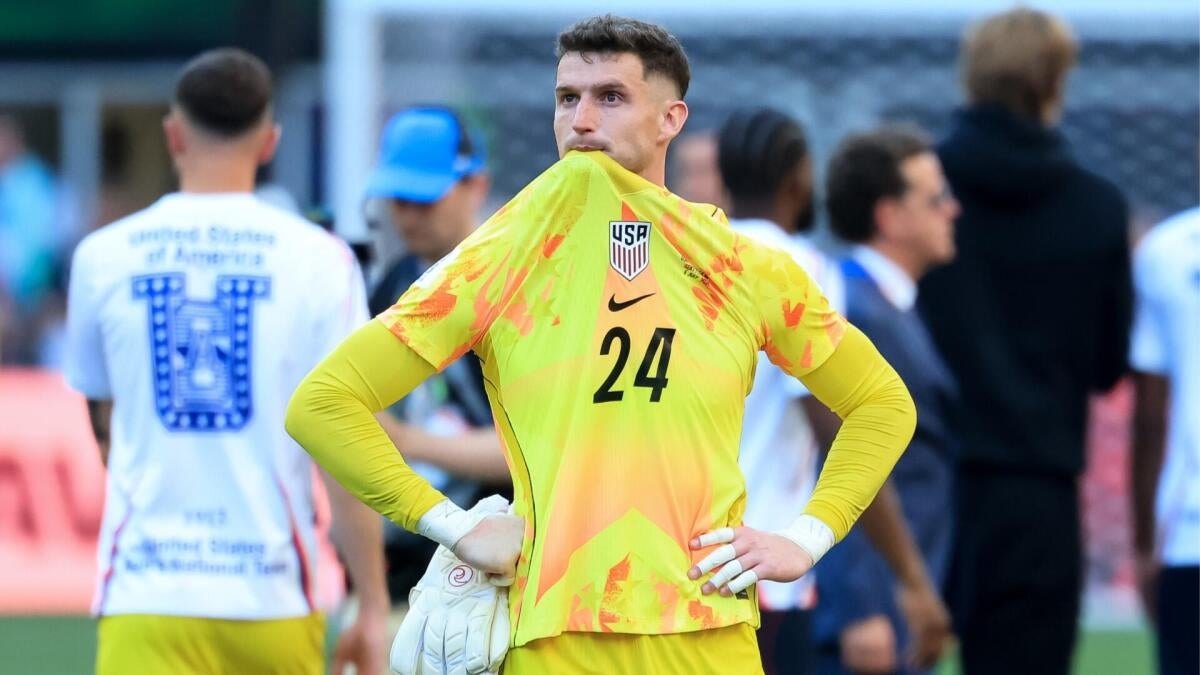
The United States Men’s National Team (USMNT) faces scrutiny over its performance in the 2026 World Cup after a 4-1 defeat to Belgium in Seattle, according to match reports. The loss, occurring during the host nation’s campaign, raises questions about the team’s ability to compete at a high level on the global stage despite the advantage of playing at home.
The 4-1 result in Seattle serves as a critical data point for analysts evaluating the USMNT’s 2026 World Cup success. While hosting the tournament provides significant logistical and atmospheric advantages, the margin of defeat against Belgium suggests a gap in tactical execution and defensive stability that the U.S. has yet to bridge.
This performance is being weighed against the broader goals of U.S. Soccer, which aims to elevate the sport’s profile in North America. A failure to produce a “statement” performance in a home city like Seattle complicates the narrative of growth and competitiveness the federation has promoted leading up to the tournament.
Why the Belgium loss impacts the USMNT’s 2026 World Cup success
The 4-1 loss to Belgium is viewed as a setback because it highlights a vulnerability to disciplined, high-ranking European sides. According to match analysis, the inability to contain Belgium’s attack in Seattle demonstrates a lack of defensive cohesion that could be exploited by other top-tier opponents in the knockout stages of the tournament.

For the USMNT, success in 2026 was not merely defined by advancing through the group stage, but by proving they could dictate play against elite opposition. The scoreline in Seattle suggests that the U.S. remains reactive rather than proactive when facing teams with superior technical control. This gap in performance is particularly glaring given the investment in player development and the home-field advantage provided by the FIFA World Cup 2026 hosting rights.
The psychological impact of a heavy home defeat also looms. Playing in front of a domestic crowd in Seattle was intended to create a fortress effect; instead, the 4-1 result leaves the squad facing internal and external questions regarding their tactical identity and readiness for the pressure of a home World Cup.
What performance metrics define success for USA soccer?
U.S. Soccer and the national team coaching staff generally measure success through a combination of tournament progression and “competitive parity.” Competitive parity refers to the ability to remain within a goal’s reach of top-10 ranked FIFA teams throughout 90 minutes. The four-goal margin against Belgium indicates a failure to maintain this parity.

Beyond the scoreboard, stakeholders look at specific performance indicators:
- Possession Efficiency: The ability to transition from defense to attack without losing the ball in the middle third.
- Defensive Discipline: The number of high-danger chances conceded per game.
- Goal Conversion: The efficiency of the forward line in capitalizing on limited opportunities.
In the Seattle match, these metrics trended negatively. The USMNT struggled to maintain possession under Belgian pressure and failed to convert their few attacking opportunities into a meaningful threat, resulting in a lopsided score that contradicts the goal of appearing as a world-class contender.
How the USMNT compares to previous World Cup cycles
When comparing the 2026 home campaign to previous efforts, the expectations have shifted. In past cycles, a competitive draw or a narrow loss to a powerhouse was seen as progress. However, as the U.S. has integrated more European-based players into the roster, the benchmark for success has risen.
The 4-1 loss is a sharper contrast to the resilience shown in previous tournaments, where the U.S. often relied on a “bend but don’t break” defensive strategy. The current squad possesses more individual talent, yet the collective failure in Seattle suggests that individual quality has not yet translated into a cohesive tactical system capable of neutralizing a team like Belgium.
This disparity suggests that the USMNT is in a transitional phase. They have moved past the era of being an underdog, but they have not yet reached the status of a consistent top-tier threat. The 2026 tournament was intended to be the bridge between those two identities.
What happens next for the national team?
The immediate focus for the USMNT will be a tactical autopsy of the Belgium match to identify the specific breakdowns in the defensive line and the midfield pivot. The coaching staff must address why the team collapsed in Seattle and whether the 4-1 result was a fluke of execution or a systemic failure.

The team will look toward their remaining scheduled fixtures to regain confidence and stabilize the defense. The ability to bounce back from this defeat will determine whether the 2026 campaign is remembered as a missed opportunity or a learning curve that led to a deeper run in the tournament.
The next confirmed checkpoint for the team will be the official post-match review and the announcement of the squad’s tactical adjustments for the following match. Fans and analysts will be watching for changes in the starting XI and a shift in the defensive shape to prevent another high-scoring loss.
Do you think the USMNT can recover from this loss to make a deep run in 2026? Share your thoughts in the comments below.