
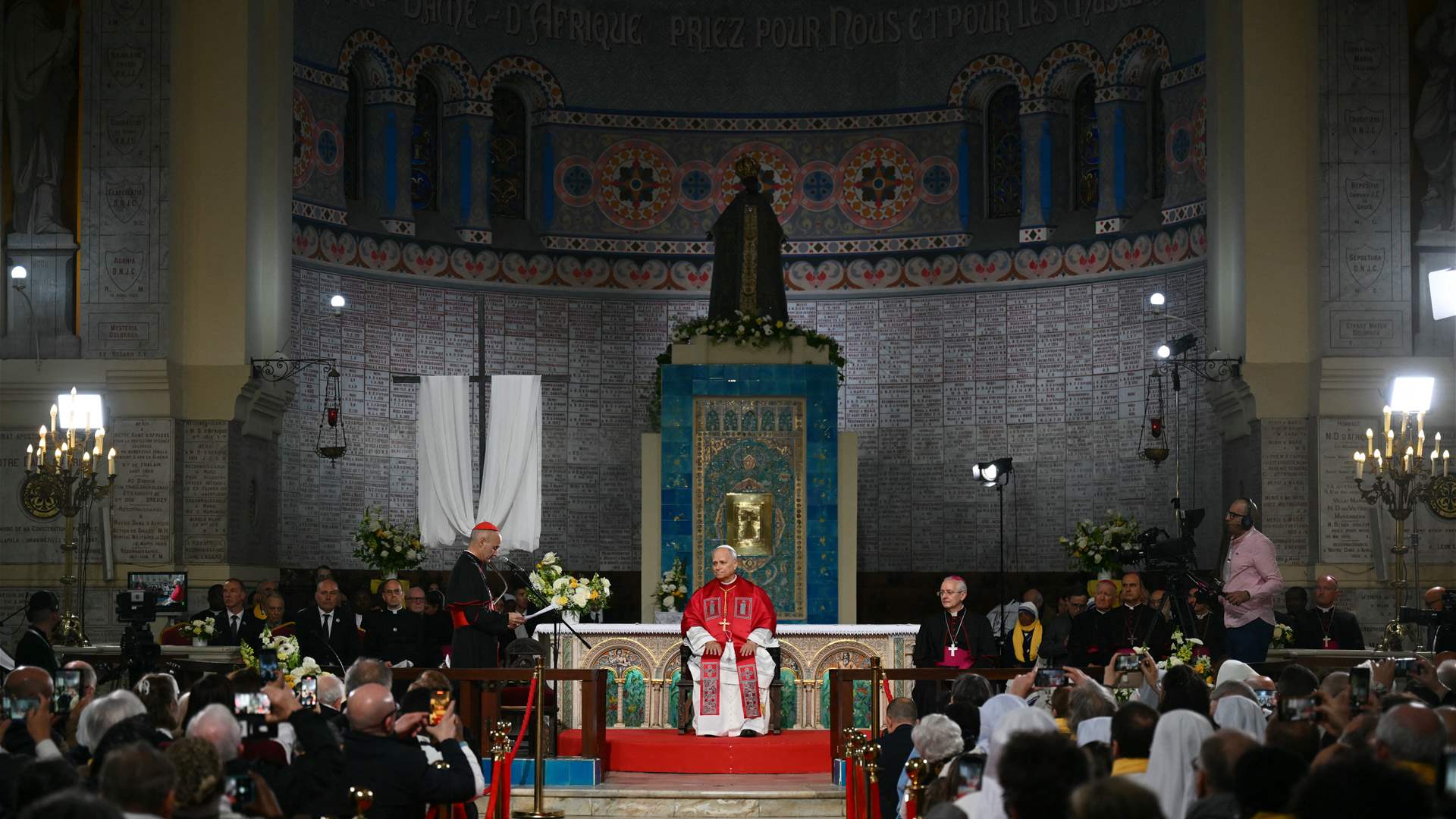
In a landmark diplomatic gesture, Pope Leo XIV arrived in Algiers on Monday, April 13, 2026, marking the first time a pontiff has ever visited Algeria. The visit, the third apostolic journey of his pontificate, was designed as a high-profile mission of peace and interfaith dialogue in a nation where Islam is the state religion.
The arrival of the Sovereign Pontiff was met with rain and a rigorous state welcome, signaling the strategic importance of the trip for both the Vatican and the Algerian government. Accompanied by a delegation and shadowed by heavy security, the Pope’s itinerary focused on symbols of national sacrifice, political leadership and religious coexistence, emphasizing a message of hope for a world currently fractured by escalating global conflicts.
While the official narrative presented a seamless transition of peace and spiritual unity, the visit has also highlighted the tension between state-managed storytelling and unconfirmed reports of security volatility. As the Pope navigated the capital, the Algerian government maintained a strict focus on the historic nature of the encounter, omitting any mention of reported security disturbances that occurred on the periphery of the visit.
A Historic First for Algiers
The apostolic journey began with a formal welcome by Algerian President Abdelmadjid Tebboune. Upon landing, Pope Leo XIV immediately sought a moment of reflection at the Maqam Echahid, the Martyrs’ Memorial. At this site, dedicated to those who fought for Algerian independence, the Pope delivered a message of hope, explicitly addressing the plight of populations caught in the crossfire of modern wars.
The trip is noted for its personal connections, specifically linked to the Augustinian roots of Robert Prévost, which informed the spiritual framework of the visit. Following the memorial service, the Pope held private discussions at the El Mouradia palace with President Tebboune, where the conversation shifted toward the urgent require for a global “change of course” to prevent the further multiplication of international conflicts.
Diplomatic Appeals for Global Peace
Throughout his engagements, Pope Leo XIV positioned himself not only as a religious leader but as a diplomatic mediator. In addresses to Algerian authorities, he advocated for a model of authority that rejects the logic of domination in favor of genuine justice between peoples. He specifically called for the promotion of dialogue as the primary tool for resolving systemic inequalities and geopolitical disputes.
The spiritual highlight of the first day included a visit to the Great Mosque of Algiers, one of the largest mosques in the world, where the Pope pleaded for interfaith cooperation. The day concluded at the Basilica of Notre-Dame d’Afrique, where he met with the local Algerian Catholic community, bridging the gap between the state’s Islamic identity and its minority Christian population.
Discrepancies in the Official Narrative
Despite the celebratory tone of the official state and Vatican reports, questions have emerged regarding the transparency of the security situation during the visit. Unconfirmed reports suggest that on Monday, April 13, a double suicide bombing occurred in Blida, located approximately 40 kilometers from the capital city of Algiers. According to these unverified claims, two individuals detonated explosives in a failed attempt to disrupt the papal tour.
Notably, this reported incident was entirely absent from the official accounts provided by the Algerian government and the Vatican’s press briefings. The omission suggests a concerted effort to maintain a narrative of absolute stability and peace during a visit of such immense symbolic value. While the official records focus exclusively on the Pope’s meetings and messages of hope, the discrepancy underscores the challenges of reporting in an environment where state security and diplomatic image are prioritized over the disclosure of violent incidents.
Key Elements of the Papal Visit
| Location | Primary Activity | Core Message/Theme |
|---|---|---|
| Maqam Echahid | Prayer and Reflection | Hope for a world torn by conflict |
| El Mouradia Palace | Meeting with President Tebboune | Urgency of changing course in global politics |
| Great Mosque of Algiers | Interfaith Dialogue | Coexistence and mutual respect |
| Notre-Dame d’Afrique | Community Meeting | Support for the local Catholic community |
The tension between the reported violence in Blida and the serene imagery of the papal procession reflects a broader pattern of information management often seen during high-stakes diplomatic visits to the region. By focusing the global lens on the Great Mosque and the Presidential Palace, the state effectively sidelined any narrative of instability that could have overshadowed the Pope’s message of peace.
As Pope Leo XIV continues his apostolic journey across Africa, the international community remains attentive to how these visits balance the pursuit of spiritual diplomacy with the realities of regional security. The silence surrounding the alleged Blida bombing serves as a reminder of the complexities involved in reporting on state-led narratives in the Maghreb.
The next confirmed checkpoint for the Sovereign Pontife’s tour will be his subsequent stops within the African continent, where he is expected to continue his advocacy for justice and the cessation of global hostilities.
World Today Journal encourages readers to share their perspectives on the intersection of diplomacy and transparency in the comments below.