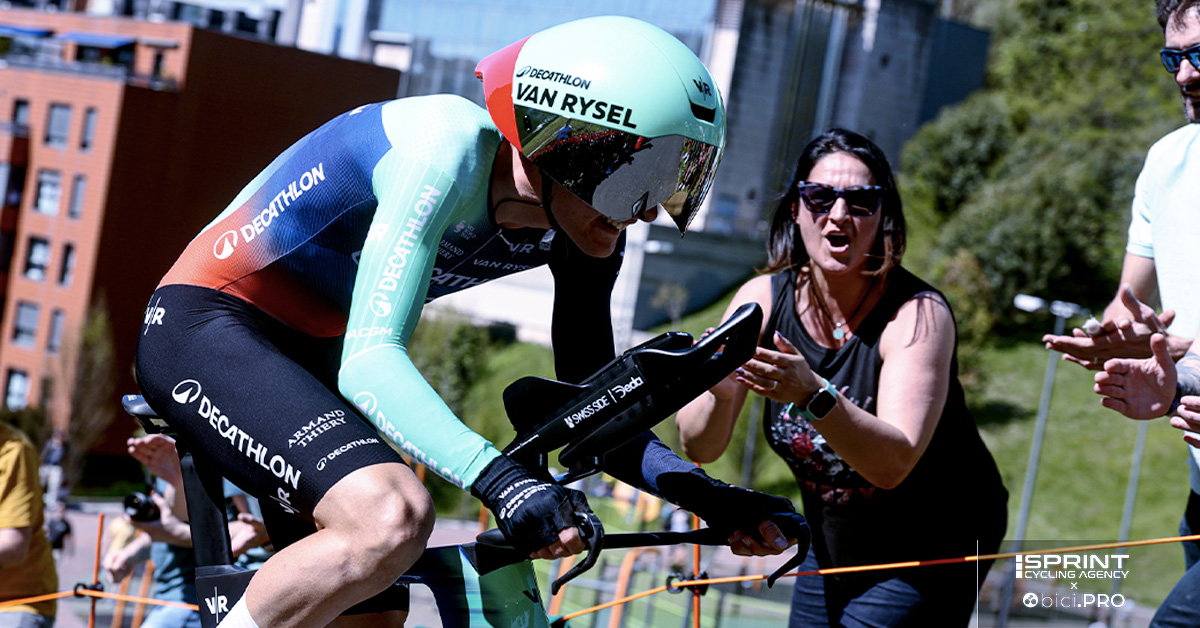
In professional cycling, the journey to becoming a champion extends far beyond individual talent and physical preparation. As the sport evolves, the infrastructure supporting riders—particularly their technical staff, research capabilities and mental performance teams—has emerged as a decisive factor in sustaining elite performance. This shift is exemplified by the growing attention on young French rider Paul Seixas, whose recent results have sparked interest from leading WorldTour teams, not just for his palmares but for the environment that nurtured his development.
The concept that “non solo soldi”—it’s not just money—resonates deeply in modern cycling, where success increasingly depends on holistic support systems. Teams like UAE Team Emirates-XRG and Visma-Lease a Bike have invested heavily in building integrated performance ecosystems, combining data science, nutrition, psychology, and biomechanics to maximize rider potential. These models contrast with more traditional approaches, highlighting how organizational philosophy can influence long-term athlete growth.
Paul Seixas, a 20-year-old climber from the Decathlon AG2R La Mondiale development pathway, has demonstrated consistent progression in 2026. His victory on the Mur de Huy during La Flèche Wallonne drew particular attention, with UAE Team Emirates-XRG manager Mauro Gianetti acknowledging his readiness to compete at the highest level. “Of course, Seixas has what it takes to become a great champion,” Gianetti stated, noting the Frenchman’s composure and tactical awareness under pressure. This endorsement followed Seixas’ strong showing in La Flèche Wallonne, where he controlled the final ascent to claim a significant win.
Such performances have positioned Seixas as a subject of internal discussion within UAE Team Emirates-XRG, especially ahead of Liège-Bastogne-Liège, where he was viewed as a potential challenger to Tadej Pogačar. Although Pogačar remained the favorite for La Doyenne, Gianetti confirmed that Seixas would be “an important rival on Sunday,” emphasizing that the young Frenchman’s current form warranted close attention. These comments were made in the context of ongoing contract negotiations, as Seixas remains under contract with Decathlon AG2R La Mondiale through 2028.
The interest in Seixas underscores a broader trend: top teams now evaluate prospects not only by race results but by the quality of their developmental environment. Factors such as access to wind tunnel testing, altitude training facilities, cognitive behavioral support, and personalized recovery protocols are routinely assessed during recruitment. Visma-Lease a Bike, for instance, has published details about its performance center in Girona, which includes a dedicated mental skills lab and nutrition kitchen—elements increasingly seen as standard for WorldTour contenders.
For riders like Seixas, the decision to remain with a current team or pursue a new opportunity involves weighing more than financial offers. The stability of coaching relationships, continuity in training methodology, and alignment with a team’s long-term vision often carry equal weight. Decathlon AG2R La Mondiale has emphasized its commitment to retaining its “French diamond,” citing both contractual obligations and a strategic focus on developing homegrown talent as part of its identity project.
As of April 2026, no official announcement has been made regarding Seixas’ future beyond his existing contract. Team representatives from both Decathlon AG2R La Mondiale and UAE Team Emirates-XRG have declined to disclose specifics of ongoing discussions, citing confidentiality. However, Gianetti’s earlier remarks—that “it is up to Paul himself to decide about his future”—reflect a widely accepted principle in professional sports: athlete autonomy in career decisions, even amid intense recruitment interest.
The conversation around Seixas also highlights the evolving role of mentorship within cycling squads. Veteran riders and staff often serve as informal guides, helping younger professionals navigate the pressures of WorldTour racing. In Seixas’ case, his ability to manage race dynamics—evident in his Mur de Huy victory—suggests exposure to high-level tactical instruction, a component increasingly embedded in modern staff structures.
the pursuit of excellence in cycling is no longer a solitary endeavor. It reflects a collective effort where scientists, coaches, therapists, and logistical teams collaborate to create conditions in which athletes can thrive. For young talents navigating critical career junctures, the caliber of this support system may prove as influential as any contract term or race result.
As the 2026 season progresses, the cycling world will continue to monitor how riders like Paul Seixas navigate the intersection of performance, opportunity, and personal development. Official updates regarding contractual status or team affiliations will be communicated directly by the involved parties through their standard channels.
We invite readers to share their perspectives on the evolving dynamics of athlete development in professional sports. What role do you believe support staff play in shaping champion athletes? Join the conversation in the comments below and share this article with others interested in the intersection of performance, psychology, and innovation in cycling.
Related reading