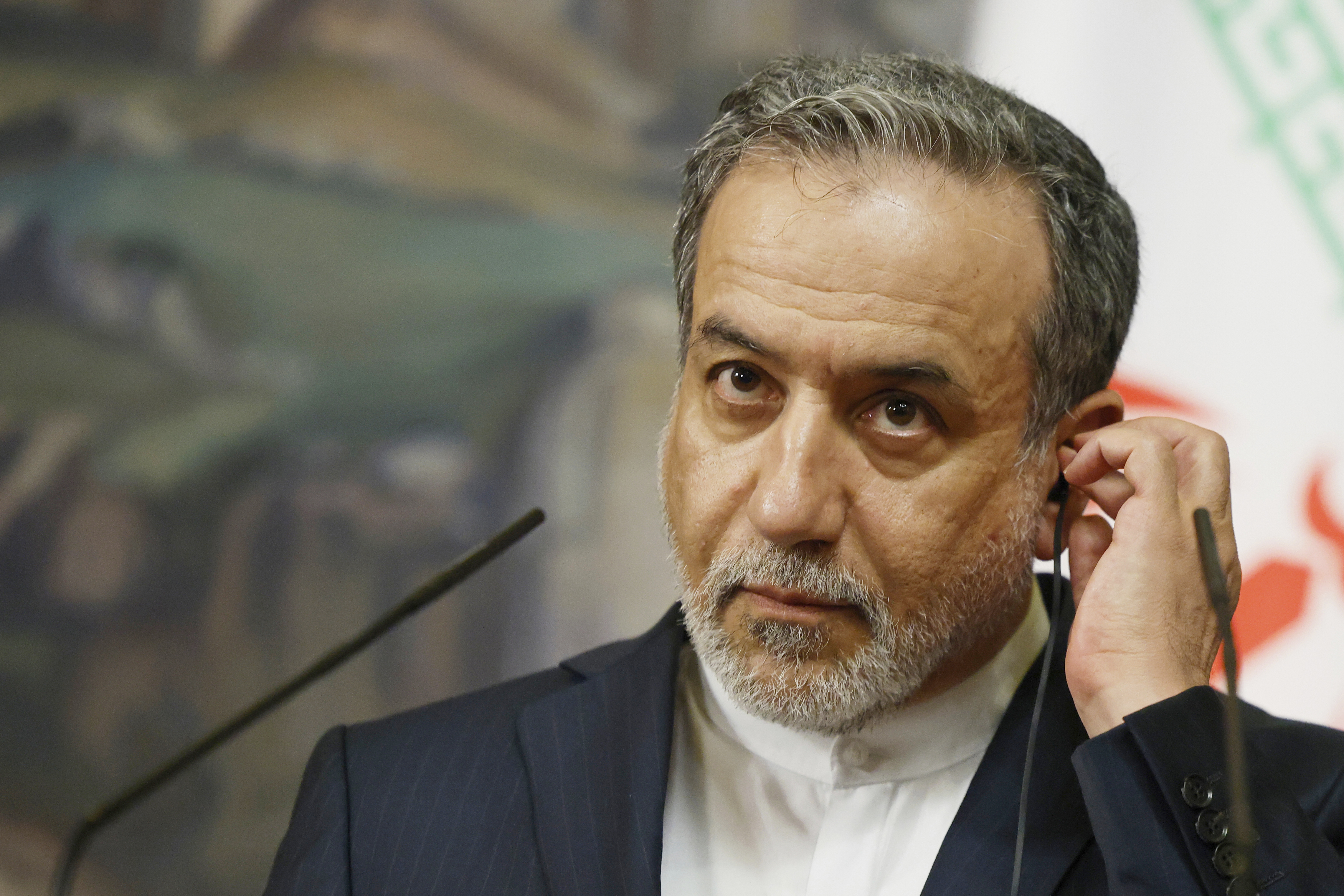
Iranian Foreign Minister Abbas Araghchi is set to visit Islamabad this weekend for high-level talks as Pakistan intensifies its diplomatic efforts to revive ceasefire negotiations between Iran and the United States, according to verified reports from multiple international news outlets.
The visit, confirmed by Pakistani officials speaking on condition of anonymity, comes amid heightened tensions in the Strait of Hormuz, where Iran has maintained its stranglehold on maritime traffic despite an indefinite extension of the US-Iran ceasefire announced earlier this week at Pakistan’s request. Araghchi is expected to arrive in Islamabad by Friday evening and will be accompanied by a modest government delegation, though no official schedule has been released.
Pakistan has positioned itself as a key mediator in the ongoing US-Israeli-Iranian conflict, having facilitated a marathon round of talks on April 11 that ultimately failed to produce a breakthrough after Tehran declined to send a delegation for a second round. This latest visit underscores Islamabad’s continued push to create space for diplomacy, even as regional hostilities persist.
Pakistan’s Diplomatic Push Amid Escalating Tensions
Pakistani officials told AFP and Gulf News that Araghchi’s visit is part of a broader initiative to restart dialogue between Washington and Tehran, which has been strained since the collapse of the 2015 nuclear deal and subsequent tit-for-tat escalations. While the specific agenda remains unconfirmed, sources indicate the talks will focus on de-escalation mechanisms and confidence-building measures, particularly concerning freedom of navigation in the Gulf.
The strategic importance of the Strait of Hormuz—through which approximately one-fifth of the world’s oil supply passes—has made it a flashpoint in the broader conflict. Iran has attacked three commercial vessels in the waterway earlier this week, according to maritime security reports, while the US Navy maintains a blockade of Iranian ports and has authorized forces to “shoot and kill” small boats suspected of laying mines.
Despite the ceasefire extension announced by US President Donald Trump earlier this week, no direct engagement between American and Iranian officials has been confirmed for this visit. A French-language report from Le Figaro noted that while Islamabad is preparing for a second round of US-Iran talks, “a possible meeting between Abbas Araghchi and American officials has not yet been confirmed.”
Regional Implications and Security Preparations
Islamabad has been placed under heightened security ahead of the visit, with checkpoints established across the city and certain roads closed in a designated “red zone” protecting the presumed negotiation site, likely near the Serena Hotel where previous talks were held. Security personnel were observed monitoring access points through barbed wire on April 23, as reported by AFP photographers on the ground.

Pakistan’s role as mediator has been bolstered by its recent diplomatic outreach, including a three-country tour by Prime Minister Shehbaz Sharif and Army Chief General Asim Munir aimed at building regional consensus on Iran peace. That tour concluded earlier this week and included stops in Saudi Arabia, Turkey, and Qatar—nations with significant stakes in the outcome of US-Iran negotiations.
Analysts note that Pakistan’s unique position—maintaining relations with both Washington and Tehran while sharing a border with Afghanistan—gives it leverage few other nations possess. Although, skepticism remains among international observers about whether Pakistan can overcome deep mistrust between the two sides, particularly after Iran’s refusal to participate in follow-up talks after the April 11 session.
What This Means for Global Markets and Energy Security
The outcome of these backchannel talks could have immediate implications for global energy markets. Any disruption to shipping in the Strait of Hormuz tends to trigger volatility in crude oil prices, given the volume of tankers transiting the chokepoint daily. While current prices have remained relatively stable following the ceasefire extension, analysts warn that a breakdown in talks could prompt renewed risk premiums.
For businesses reliant on stable energy supplies—particularly in Europe and Asia—continued diplomatic engagement offers the best hope of avoiding supply shocks. Conversely, any escalation could accelerate efforts to diversify supply routes, including increased investment in alternative pipelines and strategic petroleum reserves.
As of now, no official statements have been issued by Iran’s Foreign Ministry or Pakistan’s Foreign Office regarding the visit’s outcomes. The next confirmed checkpoint will be any public readout from either side following the conclusion of talks, which officials suggest could come as early as Saturday morning local time.
Readers are encouraged to follow official channels including Pakistan’s Ministry of Foreign Affairs (mofa.gov.pk) and Iran’s Ministry of Foreign Affairs (mfa.gov.ir) for verified updates. Share your thoughts on the prospects for diplomacy in the Gulf in the comments below, and help spread informed discussion by sharing this article with your network.
Worth a look